
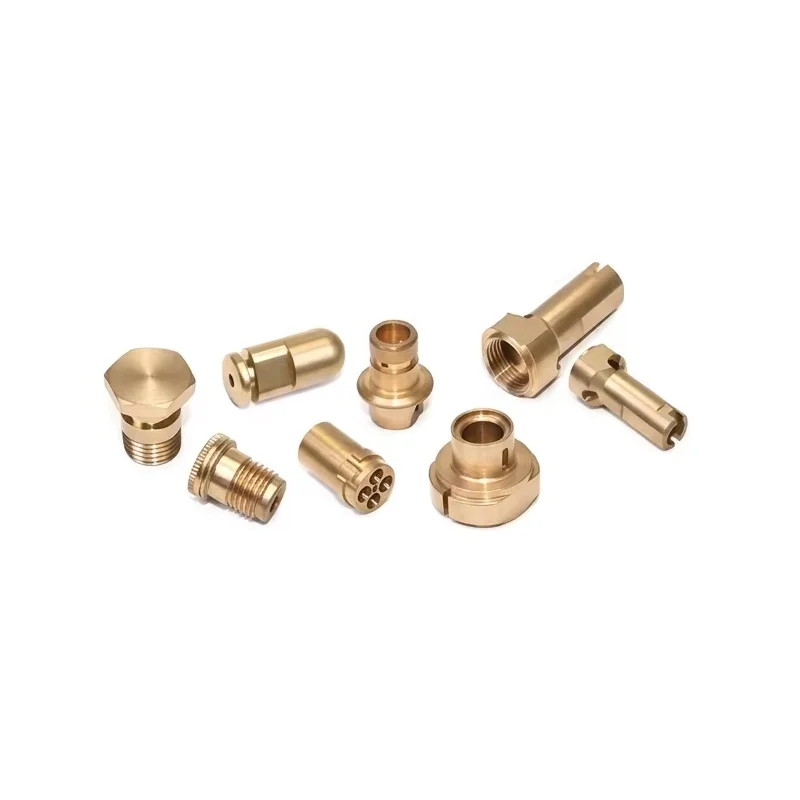
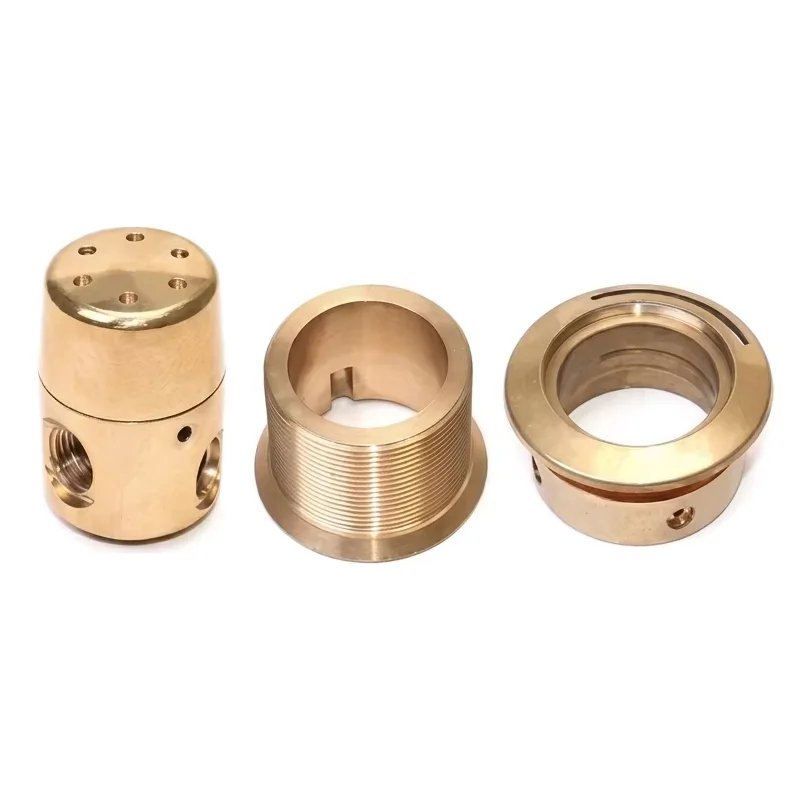
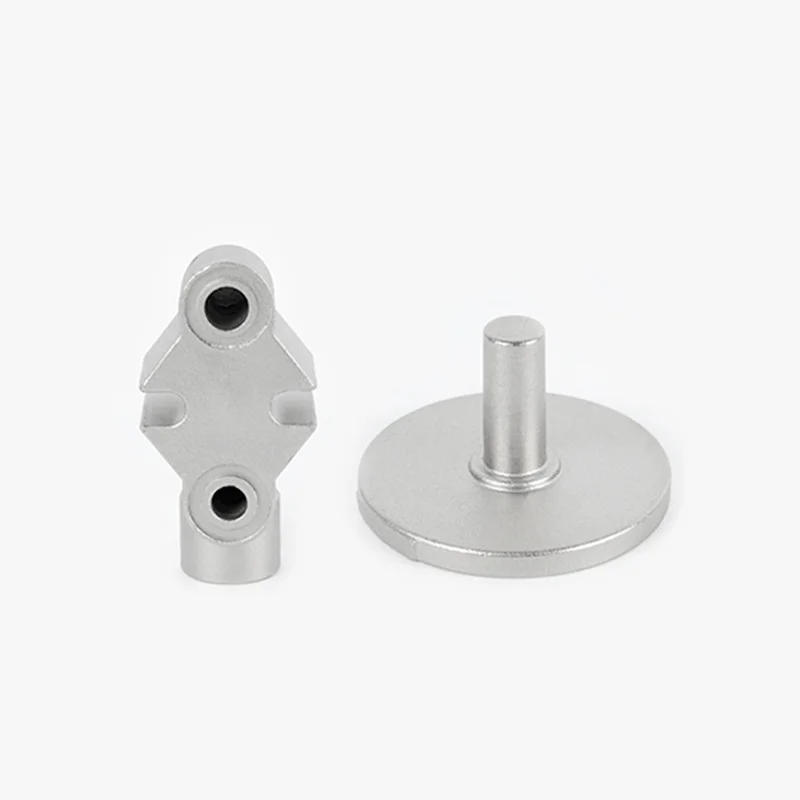
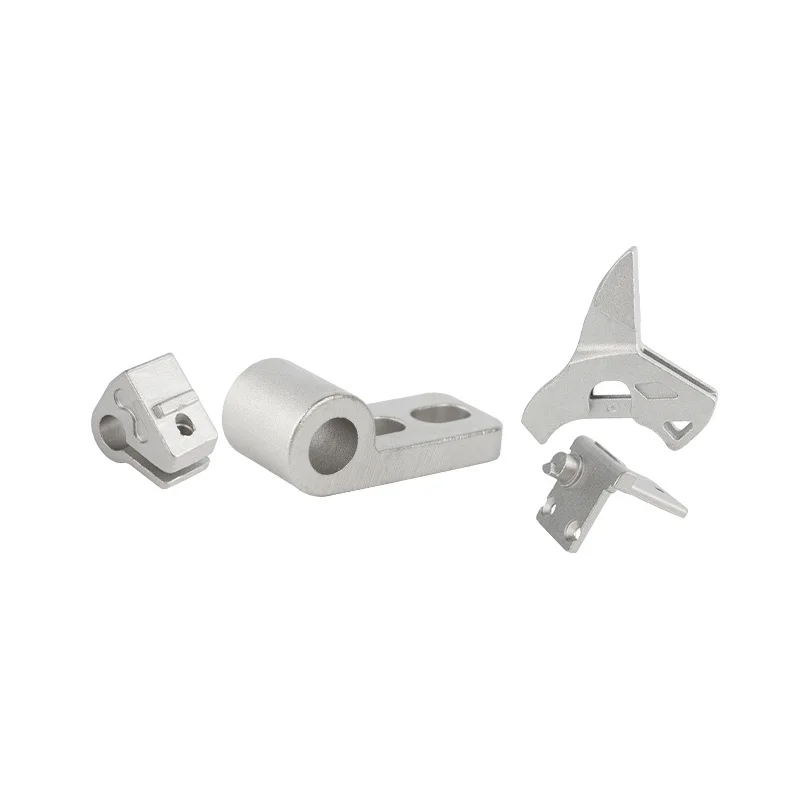
Custom Brass CNC and 316 Stainless Steel Die-Casting Inquiries for Medical-Device Components
Let’s define your requirement
Send a product link, drawing or short brief. We’ll work through the details with you.
- Confirm the specificationGrade or model, size and intended use.
- Define your orderQuantity, finish or configuration, and samples.
- Agree the quotation scopeIncluded work, key checks and delivery needs.
-
Surface Treatmentcustom service
-
MaterialsBrass,Stainless SteelProduct nameDie Casting Parts
-
MaterialMagnesium ,Stainless Steel, Aluminum,Zinc AlloyServiceOEM\ODM
-
CertificationISO9001/TS16949/RoHSSurface treatmentcustomized service
-
DimensionsCustomized DimensionProcessCasting +Machining(if Need)+surface Treatment
-
LogoCustomized Logo AcceptUsageEngineering Machinery Equipment
-
PackageOpp Bag /Specific Requirements
OEM/ODM component work covers brass CNC and custom 316 stainless steel casting inquiries for medical-device parts. Dimensions, surface treatment and logo are customizable. The selected material, production route and component geometry can therefore be defined together, with the intended function guiding the acceptance required for the particular part.
Brass work or a 316 stainless component
Identify the component and confirm whether brass, 316 stainless steel or another material is required for the project. Broader choices include magnesium, stainless steel, aluminum and zinc alloy. Treat the selected material as a specific decision for the design so the casting or machining route can be agreed around that alloy and geometry.
Custom dimensions and selected route
The process includes casting, machining when needed and surface treatment, with die-casting inquiries to be confirmed for the actual material and component. Define the dimensions and the areas needing machining on the part drawing. This connects the manufacturing scope with the design without assuming a numerical tolerance or one process for every available material.
Surface condition and logo
Custom surface treatment and logo acceptance provide two distinct choices for the component definition. Describe the required surface condition and identify where the logo belongs, then agree both with the selected material. This gives appearance and identification a practical role in the inquiry without assigning an unprovided treatment method or coating performance.
Intended function for the medical part
For medical-device use, define the component's intended function and any applicable contact or conformity requirements before selection. Engineering machinery equipment is another application direction for the broader service. Keep the mating geometry, material, delivered condition and inspection acceptance connected to the actual use so the custom component is assessed for the role it must perform.








