Custom Anti-Wear Bronze Shaft Rings and Bearing Sleeves with Precision Casting and CNC Processing
Let’s define your requirement
Send a product link, drawing or short brief. We’ll work through the details with you.
- Confirm the specificationGrade or model, size and intended use.
- Define your orderQuantity, finish or configuration, and samples.
- Agree the quotation scopeIncluded work, key checks and delivery needs.
-
MaterialBronze
-
ApplicationMachinery PartsProduct nameCustom Casting Parts
-
KeywordCustomized Precision CastingSizeCustomized Size
-
PackingWooden BoxTechnologyCNC Center
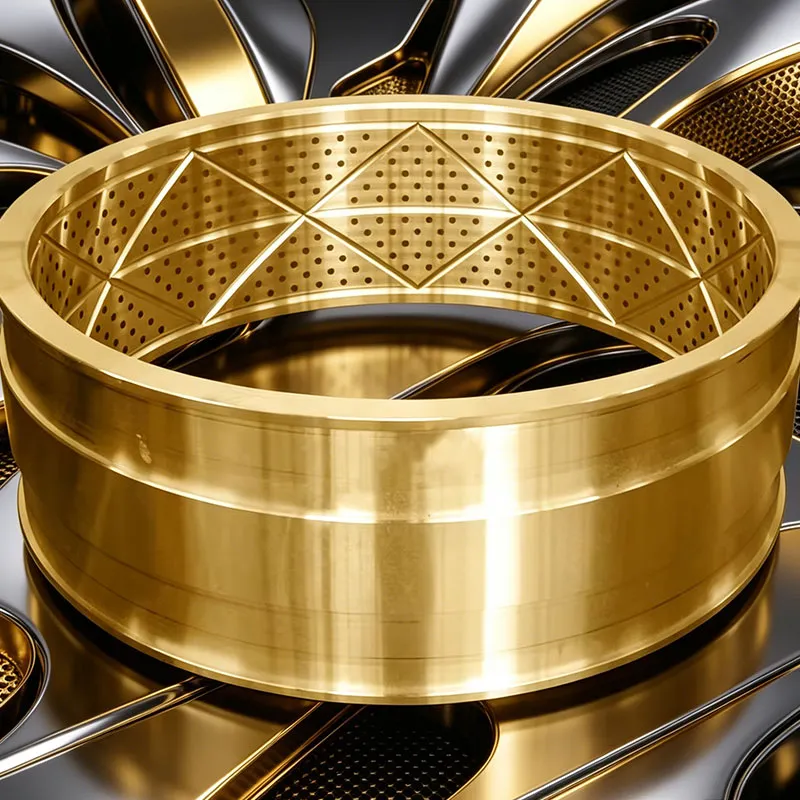
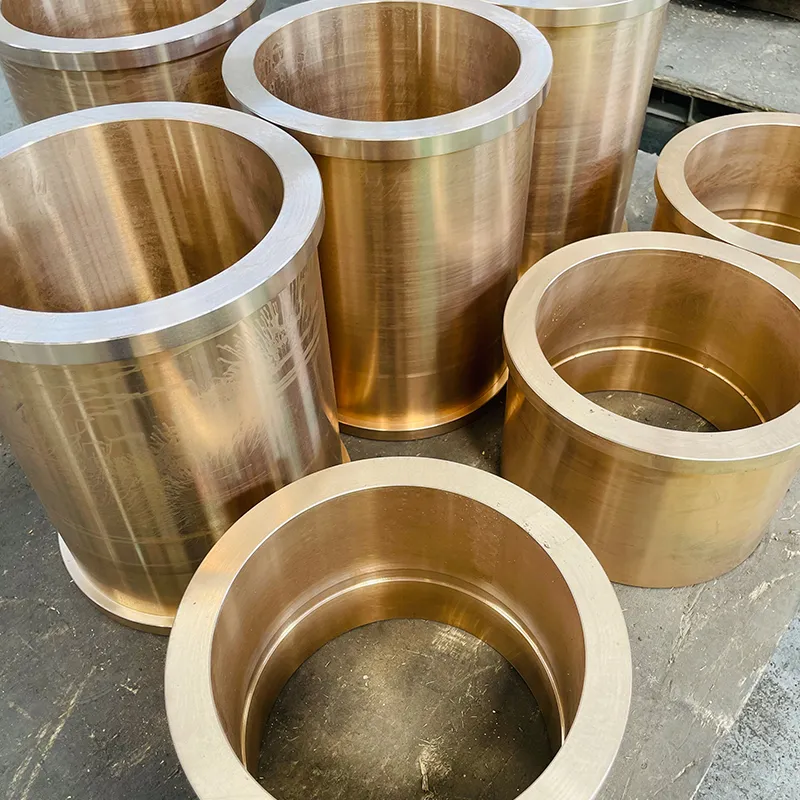
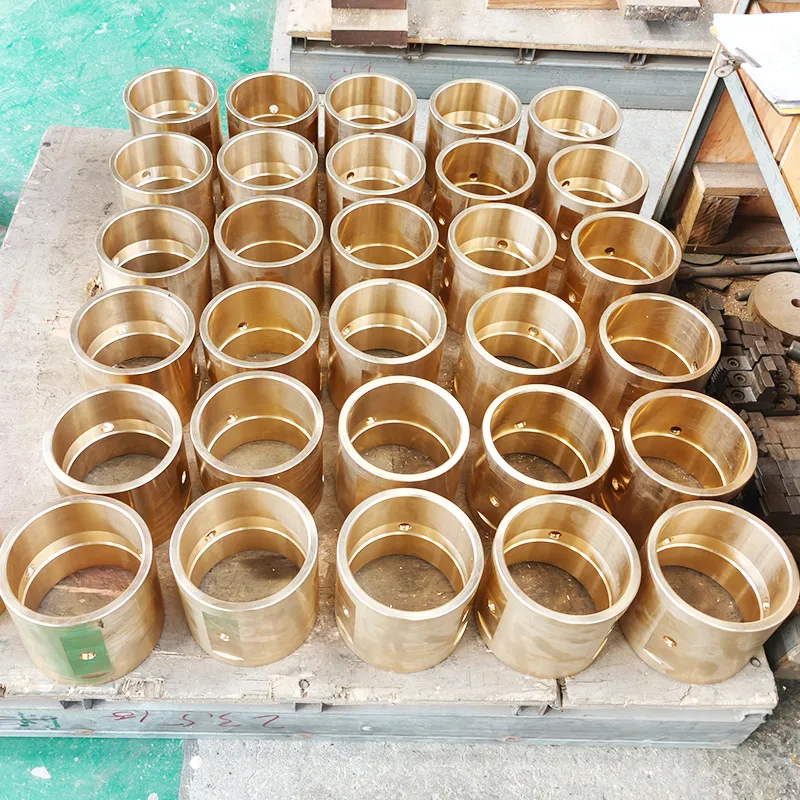
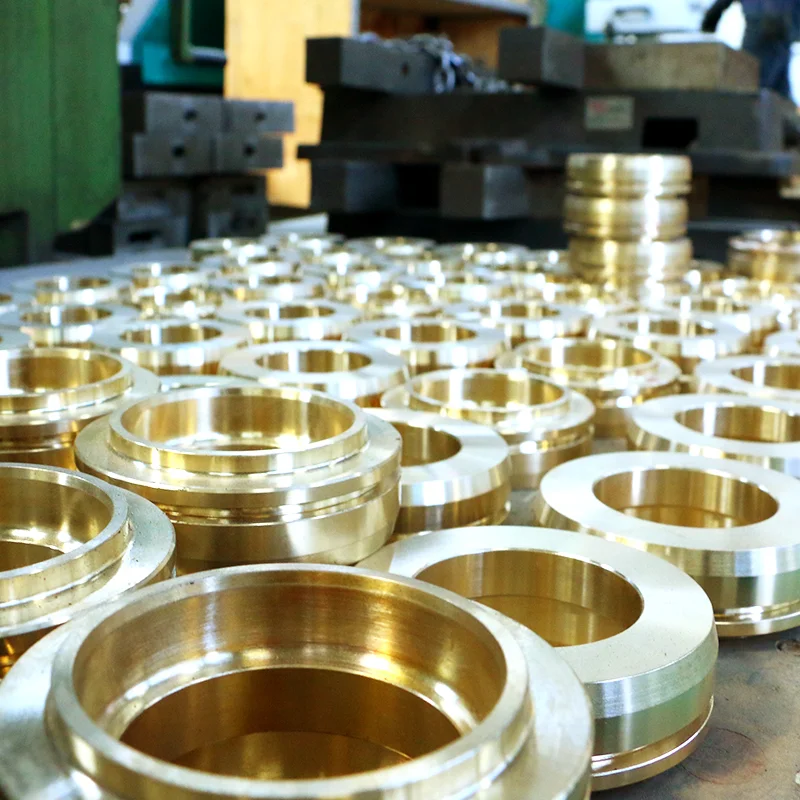
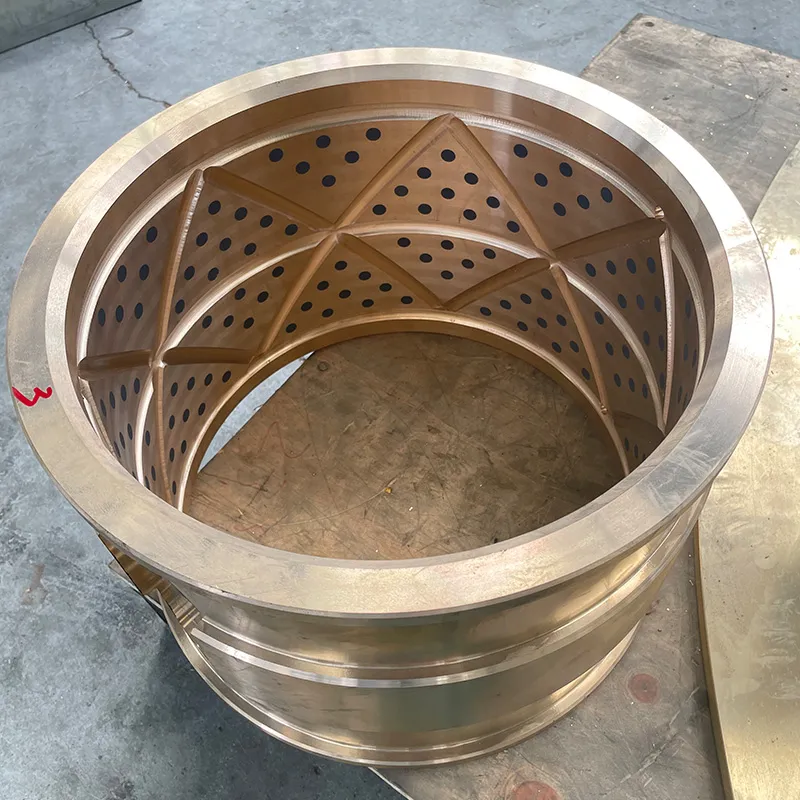
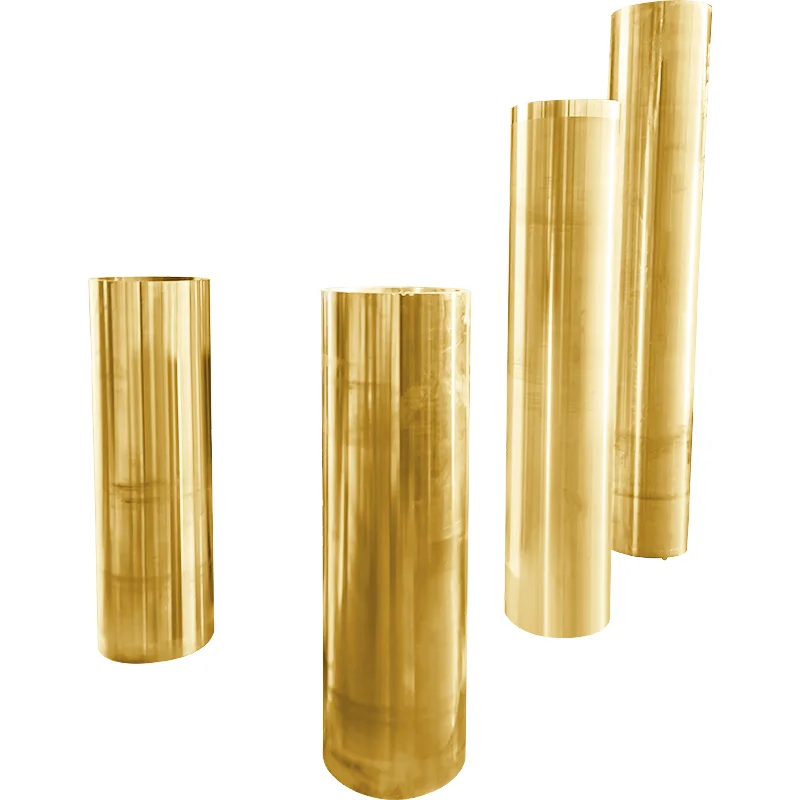
Non-standard bronze shaft rings and bearing sleeves are offered as custom precision-casting machinery parts with CNC-center processing. Customized sizes allow the request to follow the intended assembly, with wear resistance forming part of the application discussion.
Define the bronze sleeve around its mating shaft
Identify the selected bronze grade and the finished bore, outer diameter and length for the required ring or sleeve. Show how those dimensions relate to the mating shaft and housing. This makes the customized size useful for the actual machinery assembly and gives the CNC-processing discussion a clear interface definition.
What does the machinery duty require?
Describe the load, motion, lubrication and operating conditions relevant to the intended use. Agree the acceptance requirements that will determine whether the selected grade and component geometry suit that duty. The anti-wear direction should be considered with those application conditions when the custom part is being defined.
- Identify the shaft and housing interfaces that establish fit.
- State the intended motion and lubrication arrangement.
- Agree the dimensional and application acceptance for the finished part.
Connect calibration to the customized geometry
Define the dimensional calibration and inspection criteria for the finished ring or bearing sleeve. Identify which bore and outside surfaces need acceptance and how their relationship will be checked. Keeping those requirements with the chosen bronze grade and component drawing helps the casting and CNC work address the same finished-part definition.
For an initial machinery-part request, bring the interface geometry and operating context together. These inputs allow the custom size, processing scope and final acceptance to be discussed for the particular bronze component.