
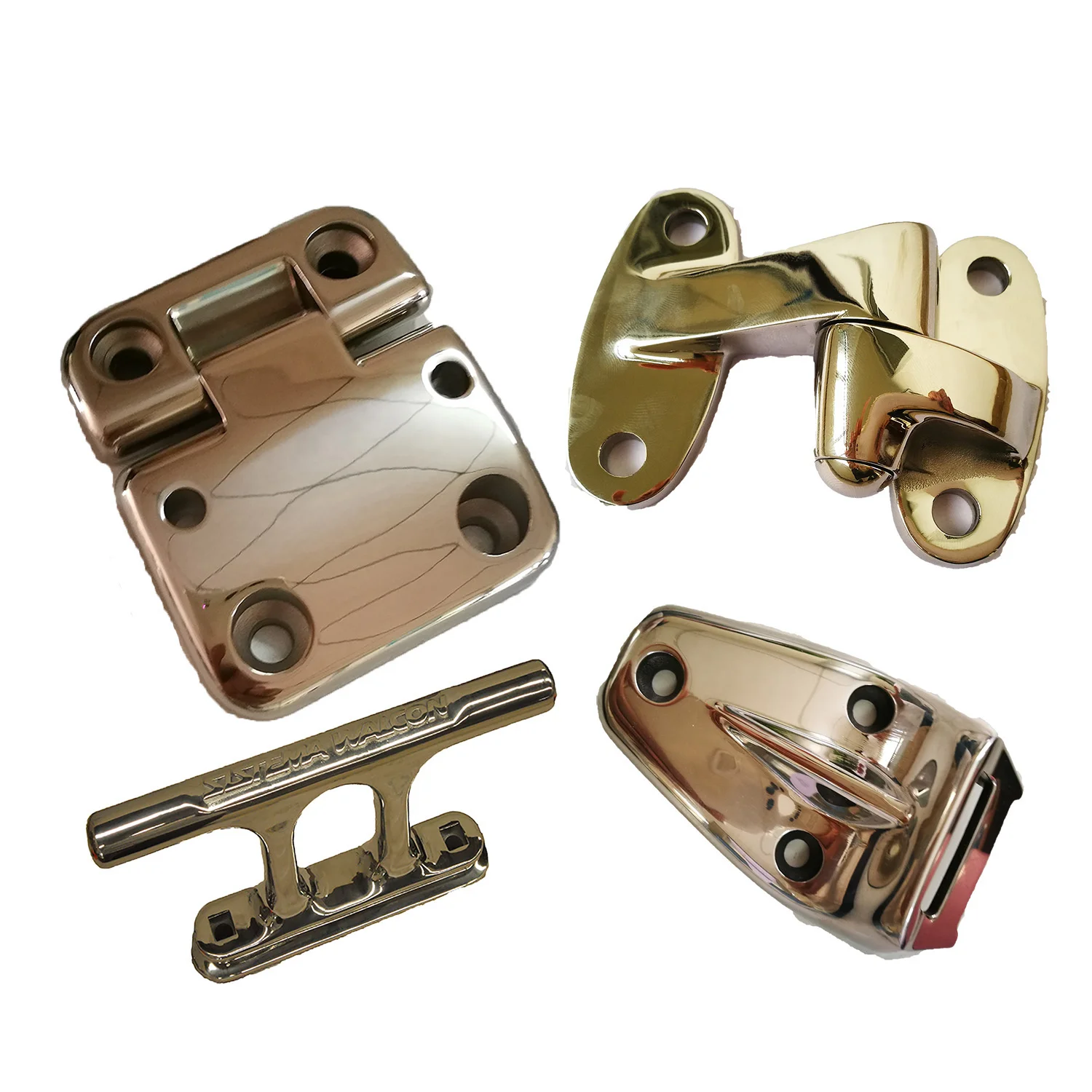
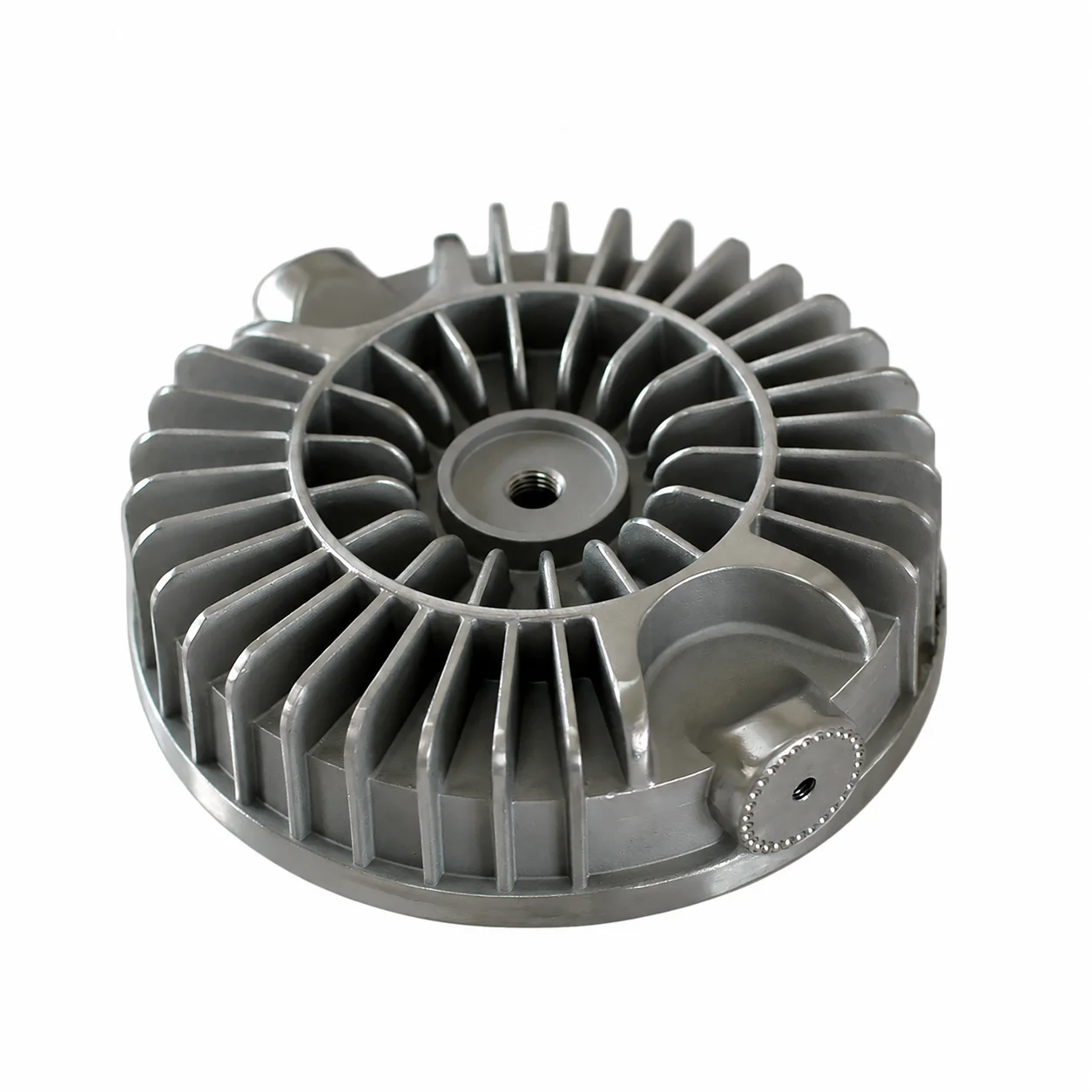
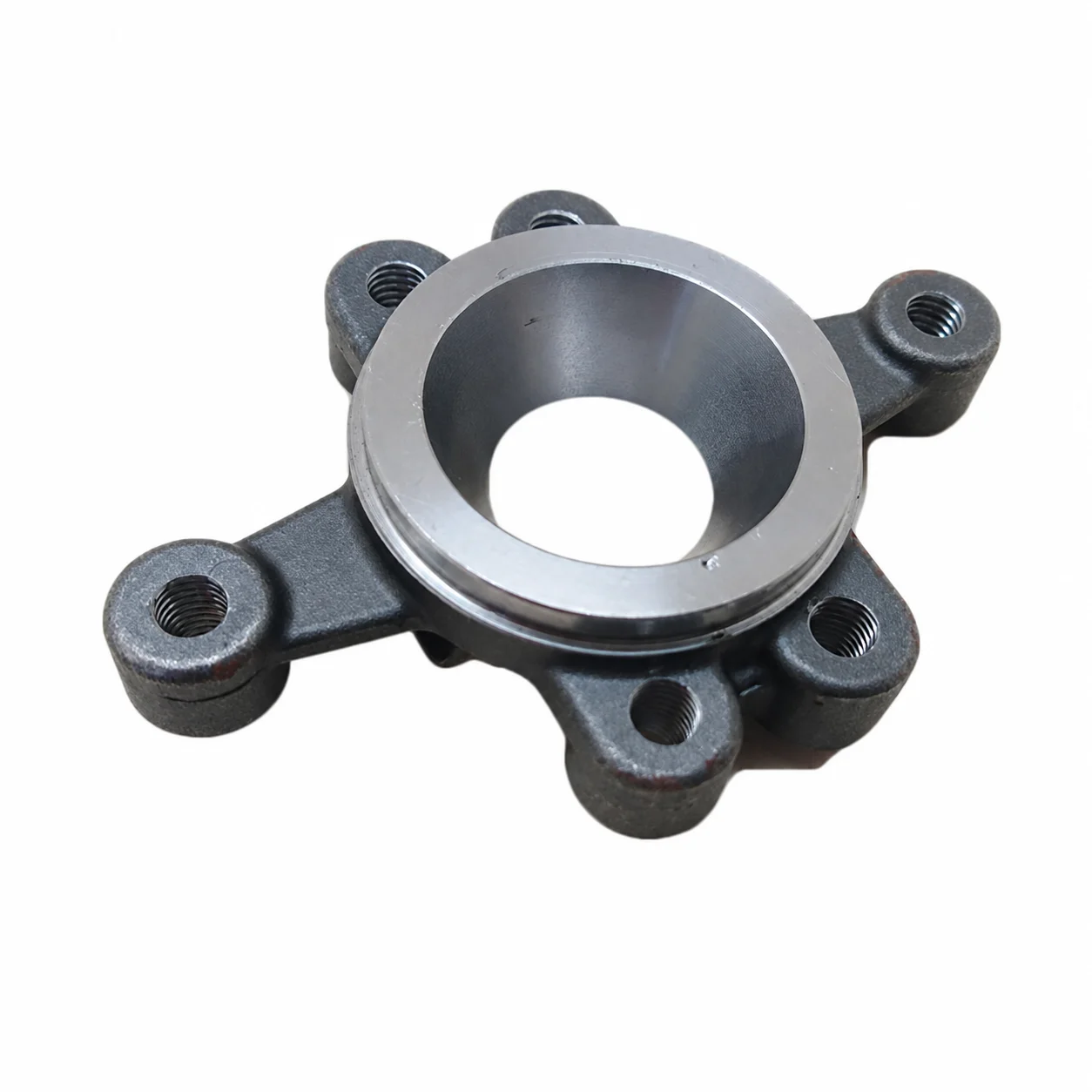
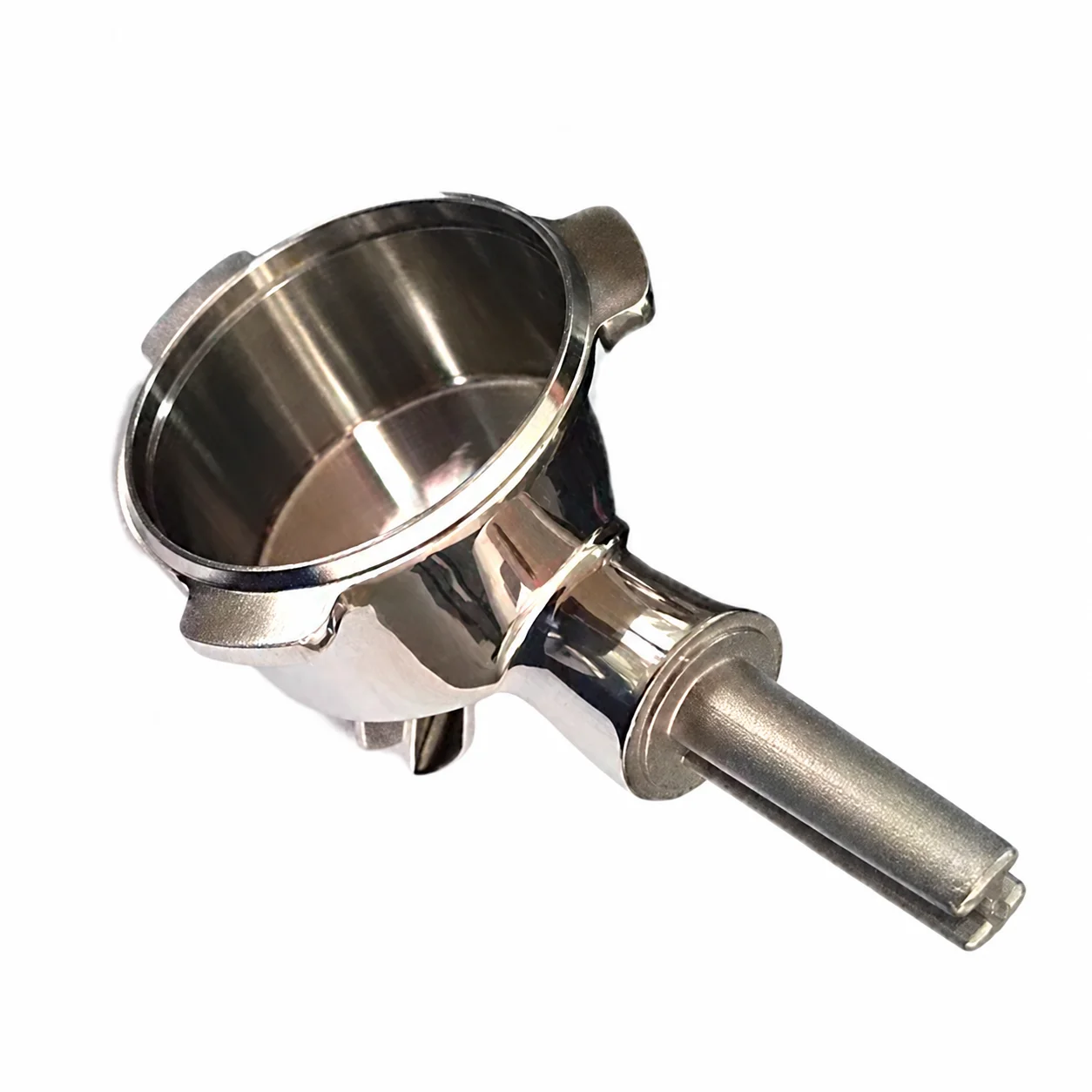
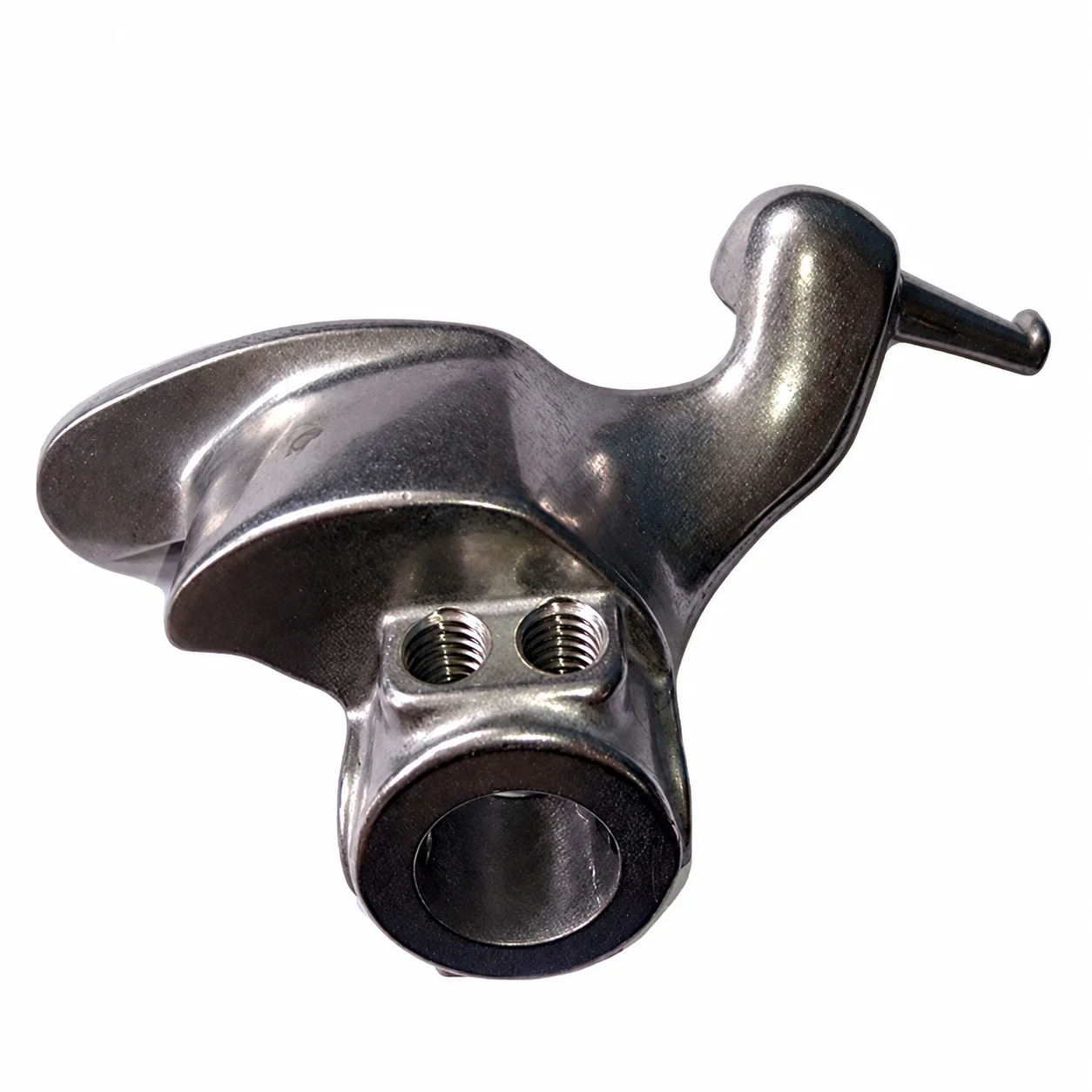
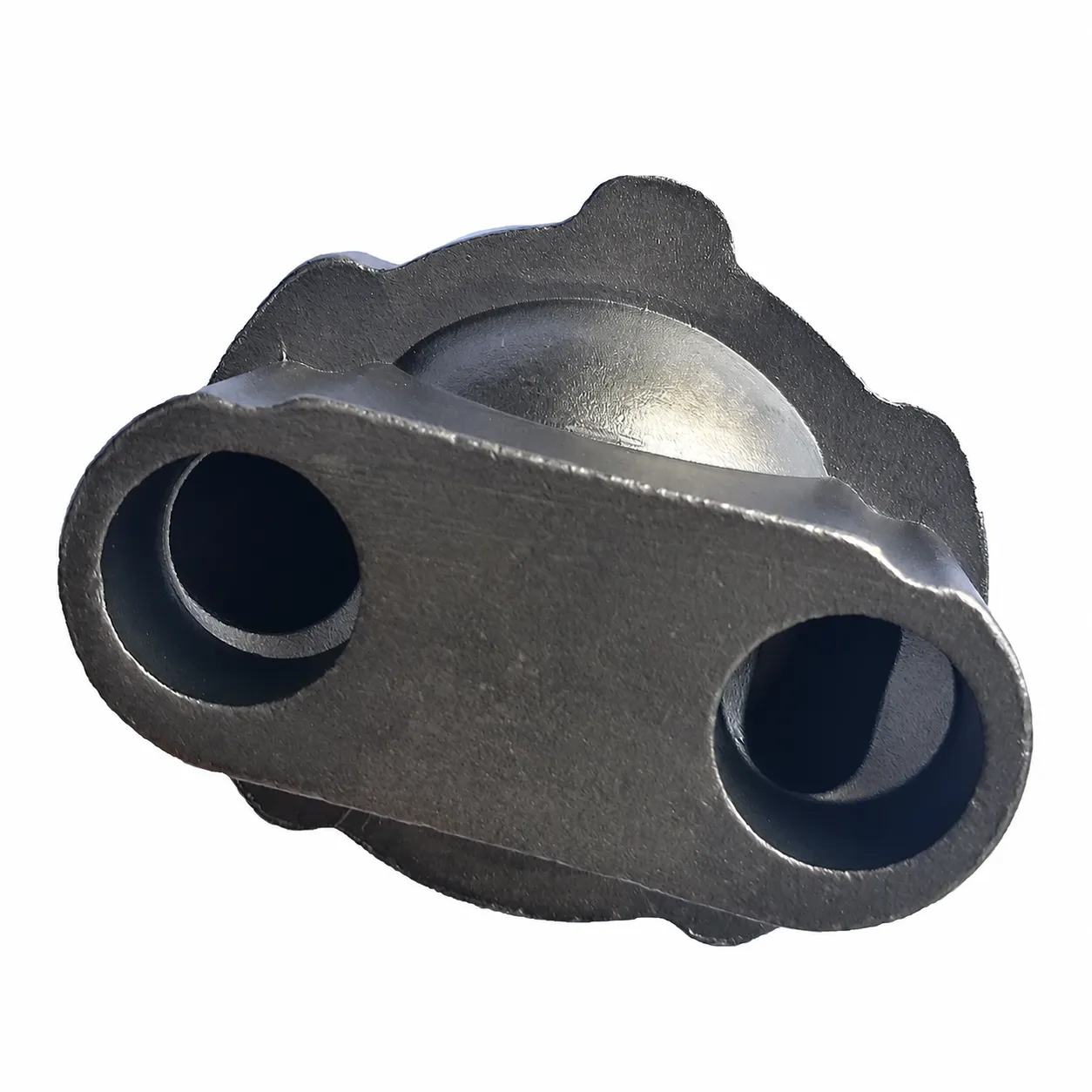
Custom AISI 304, 316 and 316L Stainless Steel Lost Wax Castings
Let’s define your requirement
Send a product link, drawing or short brief. We’ll work through the details with you.
- Confirm the specificationGrade or model, size and intended use.
- Define your orderQuantity, finish or configuration, and samples.
- Agree the quotation scopeIncluded work, key checks and delivery needs.
-
Surface FinishShot BlastedAlloy Grade316 , 304L , 304
-
MaterialStainless Steel
-
Material Grade304,316,304L,316L,420.430,431,2205,2507,17-4PHSurface treatmentShot Blasting
-
SizeCustomer SizeStandardISO9001 Certified QMS
-
ToleranceISO 8062 CT6CertificationROHS
-
ProcessInvestment Casting+machining+polishingMOQ2000pcs
-
PackingCarton+pallet
Custom stainless steel castings in 304, 316 and 316L can be produced by lost wax investment casting with machining and polishing. Customer dimensions, shot blasting and ISO 8062 CT6 casting requirements establish the starting point for the component and its required finished condition.
Choose the grade from the material specification
Further material choices include 304L, 431, 2205, 2507 and 17-4PH, with the selected designation and standard to be agreed for the part. For a 420.430 material request, confirm the exact grade and governing specification before approval. Include the required material condition and service environment so the casting enquiry identifies the stainless material you intend to use.
Use CT6 for the cast dimension plan
ISO 8062 CT6 is the casting tolerance requirement to assign to the relevant drawing dimensions. Identify the dimensional basis and the part condition used for acceptance, including any separate requirements for machined interfaces. This keeps the casting class connected to its actual features while the finished component dimensions are reviewed for the assembly.
Assign finishing work to individual surfaces
Shot blasting, machining and polishing can be specified by the surfaces requiring those operations. Describe the required appearance and finished condition, together with any dimensions that need checking after surface work. Use the approved drawing and surface acceptance to define how the supplied casting will be evaluated.
Confirm QMS and material evidence
ISO9001 certification concerns the quality management system, with current holder, validity and covered activities to be checked for an order requirement. RoHS evidence should relate to the supplied material or casting. Agree those documentation requirements with the selected grade, dimensions, finish and inspection criteria so the proposal addresses acceptance of the actual custom part.








