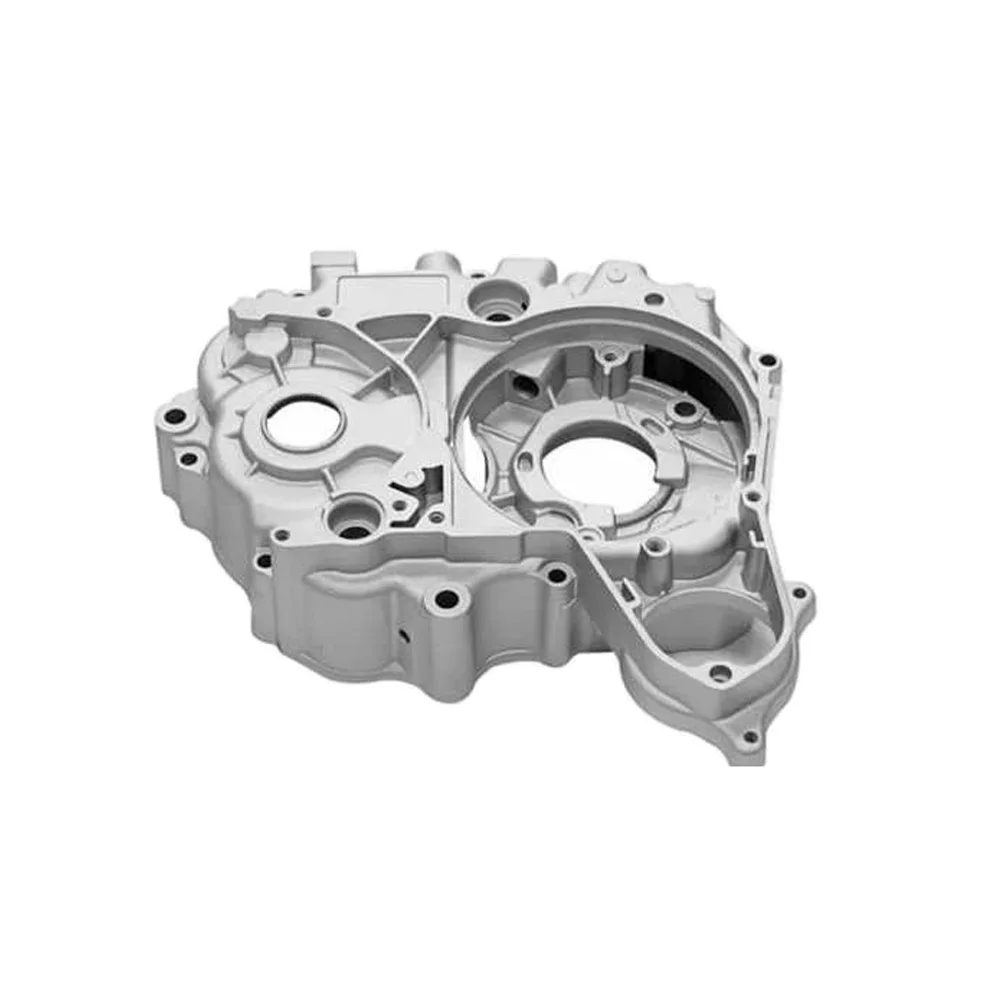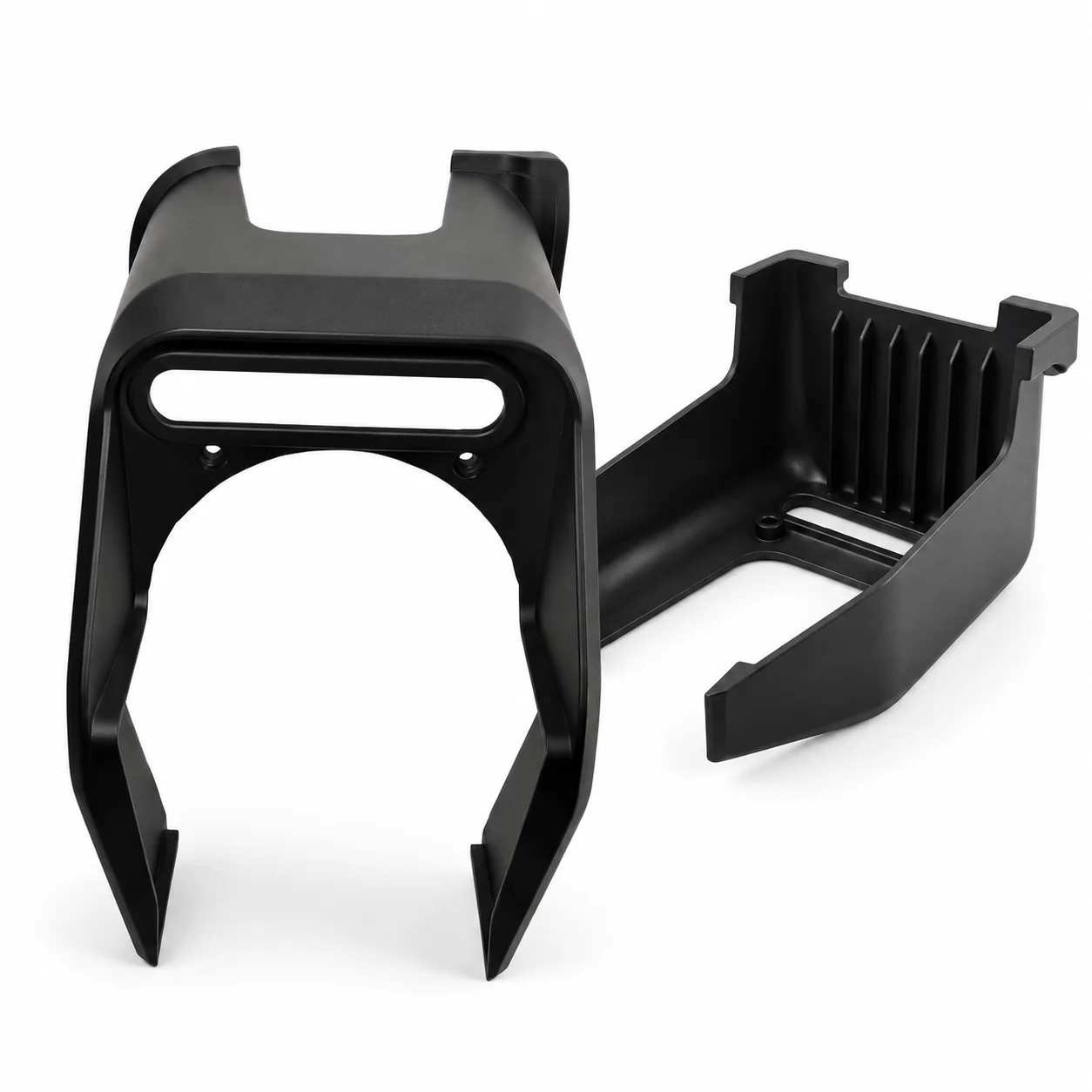
Custom ADC12 A380 A383 Aluminum Die Cast Components with CNC Processing and Powder Coating
Let’s define your requirement
Send a product link, drawing or short brief. We’ll work through the details with you.
- Confirm the specificationGrade or model, size and intended use.
- Define your orderQuantity, finish or configuration, and samples.
- Agree the quotation scopeIncluded work, key checks and delivery needs.
-
Surface FinishPowder Coated , PolishedAlloy GradeA383 , A380 , ADC12
-
MaterialAluminum Alloy ADC12/A380/A383 and magnesium/zinc alloy
-
Size145*112*143mm Or customized machining 2d/3d drawingsProcessing technology:Die casting, CNC processing
-
Weight:0.11kgEquipment:400t die casting machine, CNC machining center
-
Surface treatmentPainting/powder coating/electroplate/Anodizing/mirror polishingDRW mode:PDF / DWG / IGS / STP /etc
-
Tolerance:±0.1mmPurpose:Mechanical equipment, medical equipment, track equipment
-
Packing method:Bubble bag + carton + wood card board
Custom OEM aluminum die-cast components can combine CNC processing with powder coating and other selected surface treatments. Material directions include ADC12, A380 and A383 aluminum alloys, with magnesium and zinc alloy requests also offered.
Use nominal size as a starting configuration
A 145 × 112 × 143 mm component direction is available alongside customized machining from 2D/3D drawings. Identify whether the inquiry follows that nominal size or a different defined geometry. Include the interfaces and finished dimensions that determine how the component joins its intended equipment.
Coordinate die casting and CNC processing
The manufacturing direction combines die casting with CNC processing, using a die-casting machine and CNC machining center. Mark the areas requiring finished machining and relate them to the surrounding cast shape. The dimensional tolerance direction is ±0.1 mm, with the applicable dimensions and acceptance method to be agreed for the actual part.
Choose a treatment for the selected alloy
Painting, powder coating, electroplating, anodizing and mirror polishing are surface-treatment choices. Agree the treatment for the actual material and identify the areas to receive it. A visible surface and a mating interface can require different acceptance descriptions, so include both appearance and final dimensional requirements.
Prepare the drawing and equipment context
Drawing inputs include PDF, DWG, IGS and STP. Supply the selected alloy, geometry and treatment requirements with those files, including the component's role in the intended assembly. Mechanical, medical and track equipment are application directions for custom requests, with the particular component and its acceptance requirements to be defined for the project.
Keep the finished geometry and surface condition together when reviewing the order. This gives the casting, CNC and treatment portions a consistent description of the component being requested.