Custom 42CrMo Turbine Blade Investment Casting Parts for Mining Machinery | CT5-CT7 Enquiries
Let’s define your requirement
Send a product link, drawing or short brief. We’ll work through the details with you.
- Confirm the specificationGrade or model, size and intended use.
- Define your orderQuantity, finish or configuration, and samples.
- Agree the quotation scopeIncluded work, key checks and delivery needs.
-
ProcessInvestment Casting
-
MaterialCarbon Steel, Alloy Steel, Stainless Steel, Manganese SteelToleranceCT5-CT7
-
Drawing Format2D/3D/CAD/DWG//STEP/PDF/IGSWeight0.01-50kg
-
SizeCustomer's Drawing RequiredHeat treatmentTempering, Quenching, Annealing
-
ApplicationMining and ConstructionCertificationISO9001:2015
-
Lead Time45-50 Days
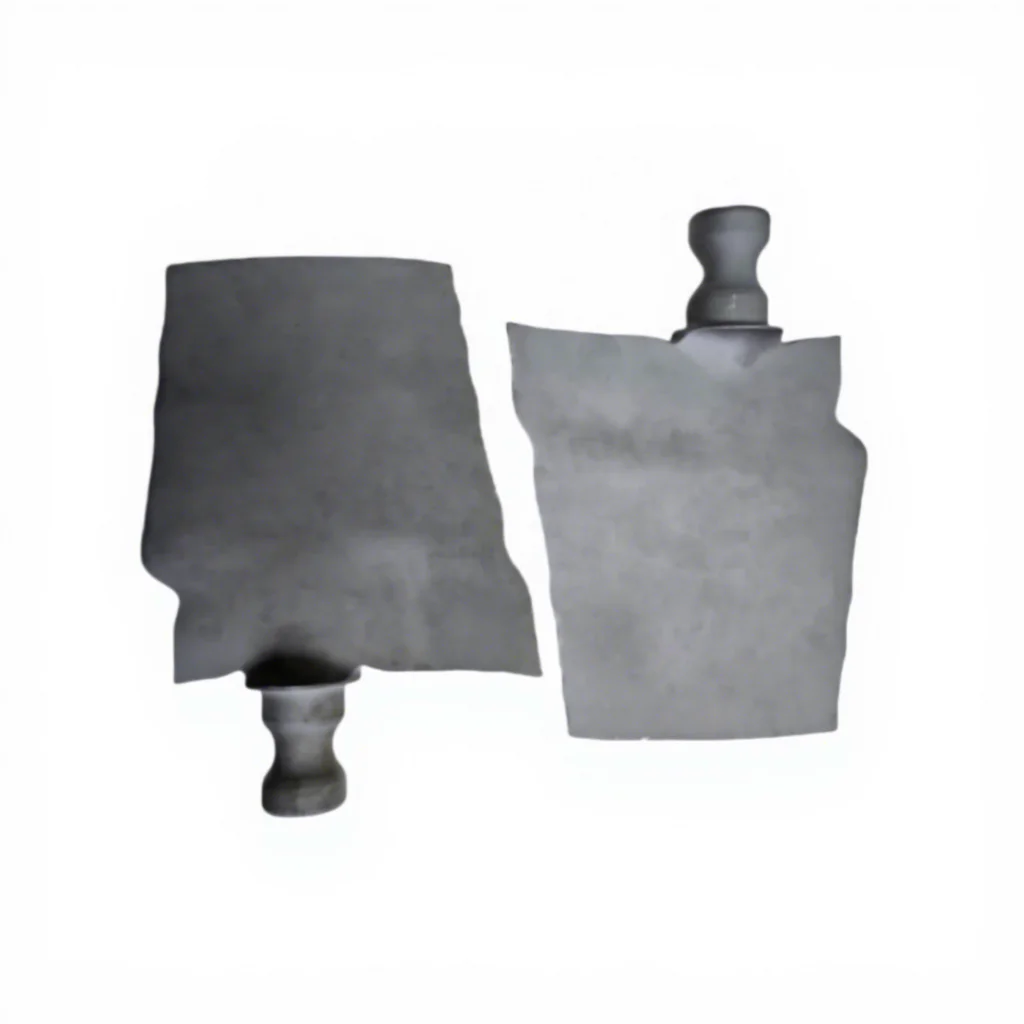
Custom turbine-blade component enquiries include 42CrMo, with carbon steel, alloy steel, stainless steel and manganese steel as further material directions. Investment casting serves mining and construction parts, with size based on the customer's drawing. Select the actual grade, blade geometry and component duty before defining the casting requirements.
Connect the blade drawing to the grade
Identify the actual material and the component geometry needed for the intended mining or construction use. Keep those requirements with the same drawing used to define the casting request. This gives the proposed blade or related component a specific material and dimensional basis for acceptance.
Allocate the CT5-CT7 casting requirement
CT5-CT7 is the casting-tolerance reference. Agree the controlled dimensions and actual process scope to which the class applies. Connect the dimensional requirements to the component duty and the acceptance expected for the proposed investment casting rather than assuming a complete-turbine performance rating.
Select the treated condition
Tempering, quenching and annealing are heat-treatment options. Define the required treated condition for the actual material and component. Keep that condition with the casting dimensions and acceptance criteria so the manufacturing discussion addresses the intended finished part.
Prepare the drawing and project scope
Drawing directions include 2D/3D CAD with DWG, STEP, PDF and IGS formats. ISO9001:2015 is a certification reference whose applicable scope should be confirmed. Provide the blade drawing, selected grade, component duty and casting/treated-condition acceptance together to establish the proposed manufacturing request.