
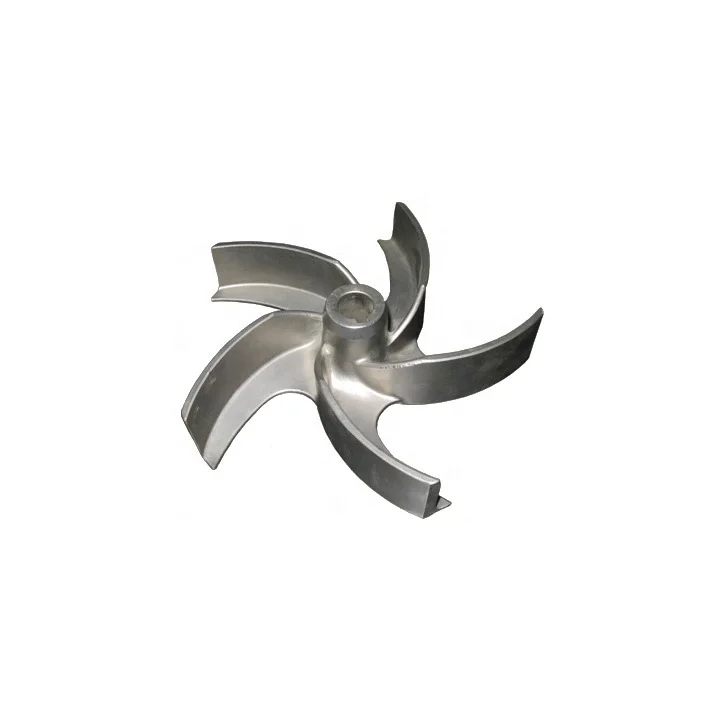
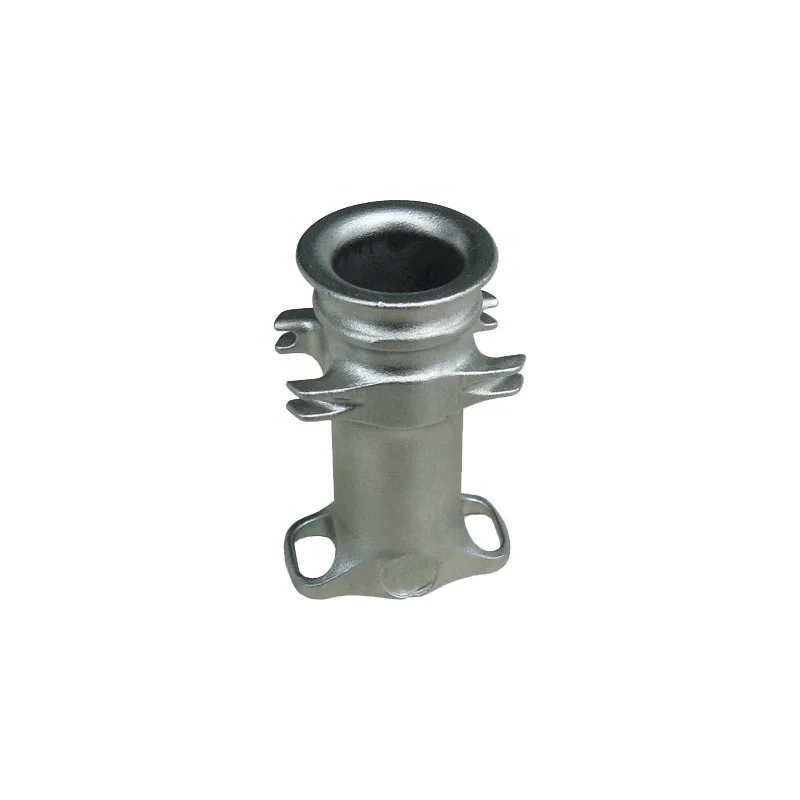
Custom 304/316 Stainless Investment Castings | Machining, VDG P690 D2 and Drawing/Sample Size
Let’s define your requirement
Send a product link, drawing or short brief. We’ll work through the details with you.
- Confirm the specificationGrade or model, size and intended use.
- Define your orderQuantity, finish or configuration, and samples.
- Agree the quotation scopeIncluded work, key checks and delivery needs.
-
ProcessInvestment casting
-
MaterialStainless steelSizeAs customer'drawings or samples
-
ServiceCasting and machiningToleranceVDG P690 D2
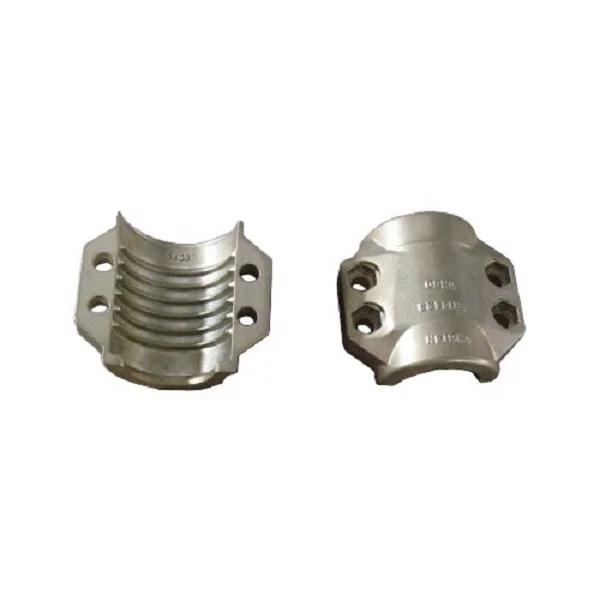
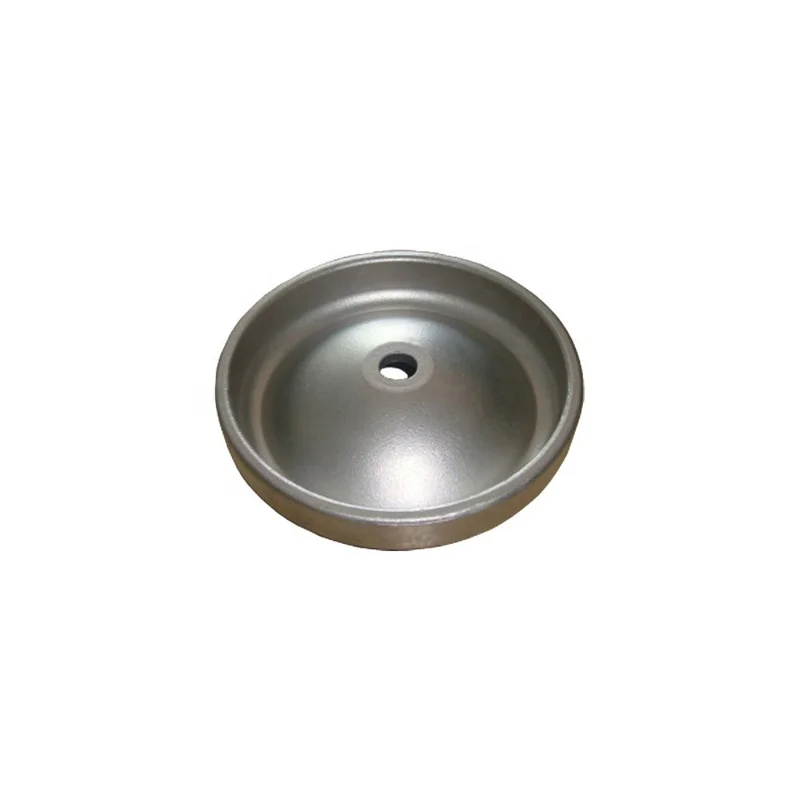
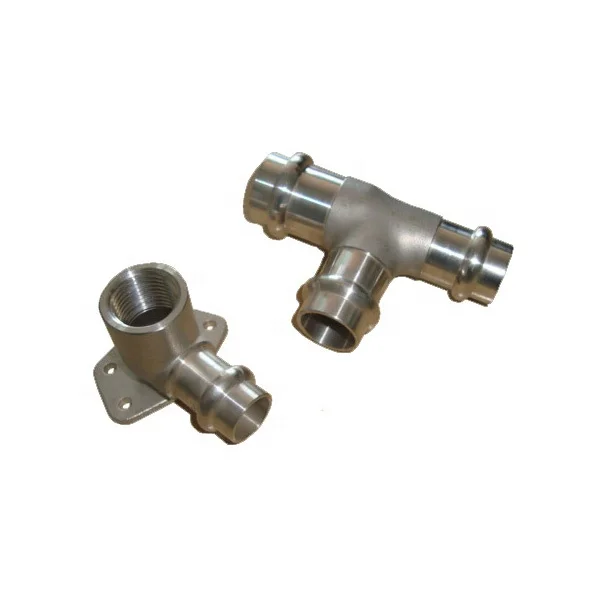
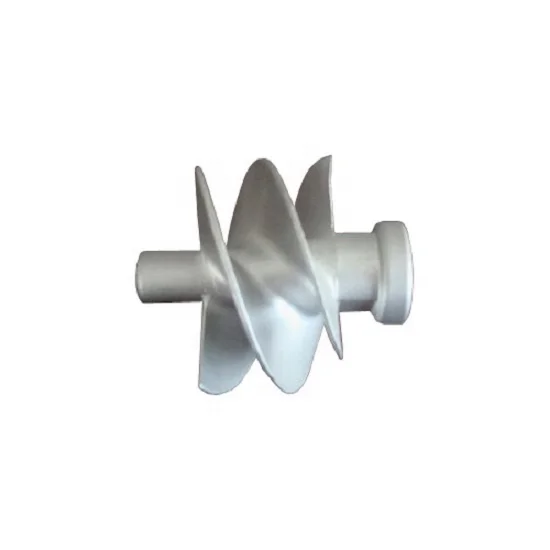
Custom 304/316 stainless-steel investment castings include machining, with size based on customer drawings or samples. VDG P690 D2 is the tolerance reference for the requested work. The actual material, component geometry and finished interfaces should be defined together for the intended function.
304 or 316 and the customer geometry
Choose the actual stainless-steel grade needed for the component and provide its drawing or sample geometry. Identify the cast and machined dimensions and mating areas that matter to its fit. Connect the material choice to the part's function and operating conditions, establishing the actual component to be produced through casting and machining.
VDG P690 D2 and applicable dimensions
Agree which dimensions and acceptance requirements are governed by the tolerance reference. Define the inspection and measurement basis for the actual part, including the relationship between casting geometry and finished machined interfaces. The reference should remain tied to those controlled areas and the acceptance needed for the component.
Machining scope and finished-part acceptance
Identify the areas needing machining within the requested casting work. Agree their finished dimensions and the surface condition needed at the actual interfaces. Include those requirements with the selected 304 or 316 material, customer geometry and intended use. The resulting definition connects the investment-casting task, machining and tolerance acceptance to the specific component and the fit it needs to achieve.








