
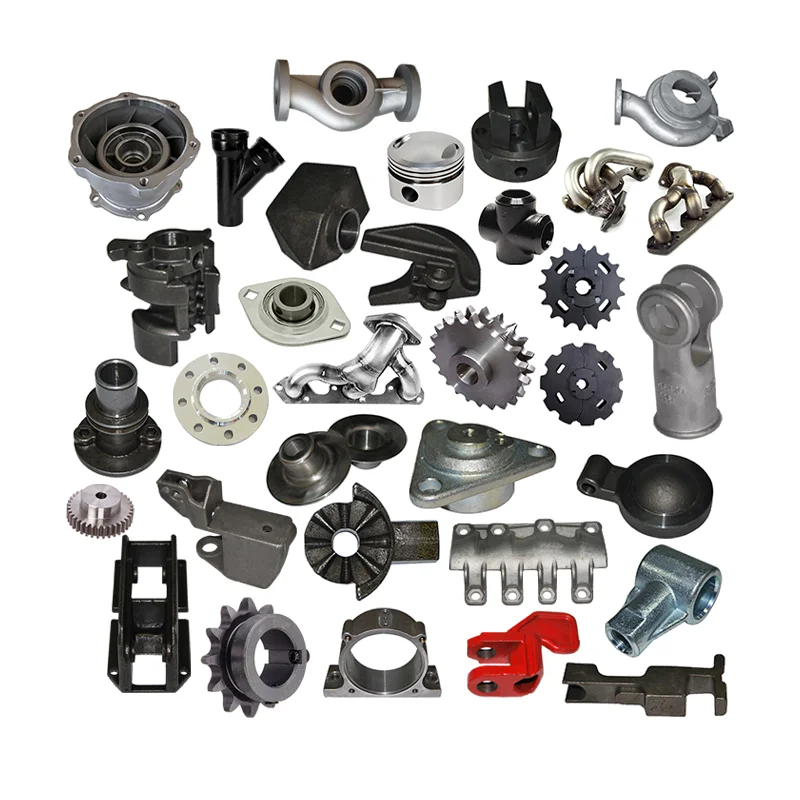
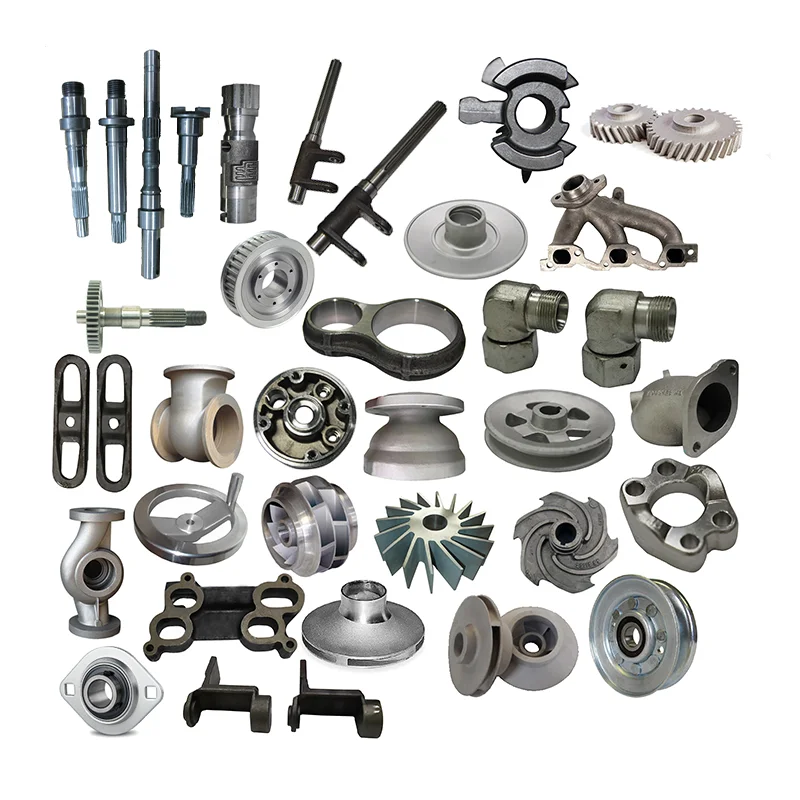
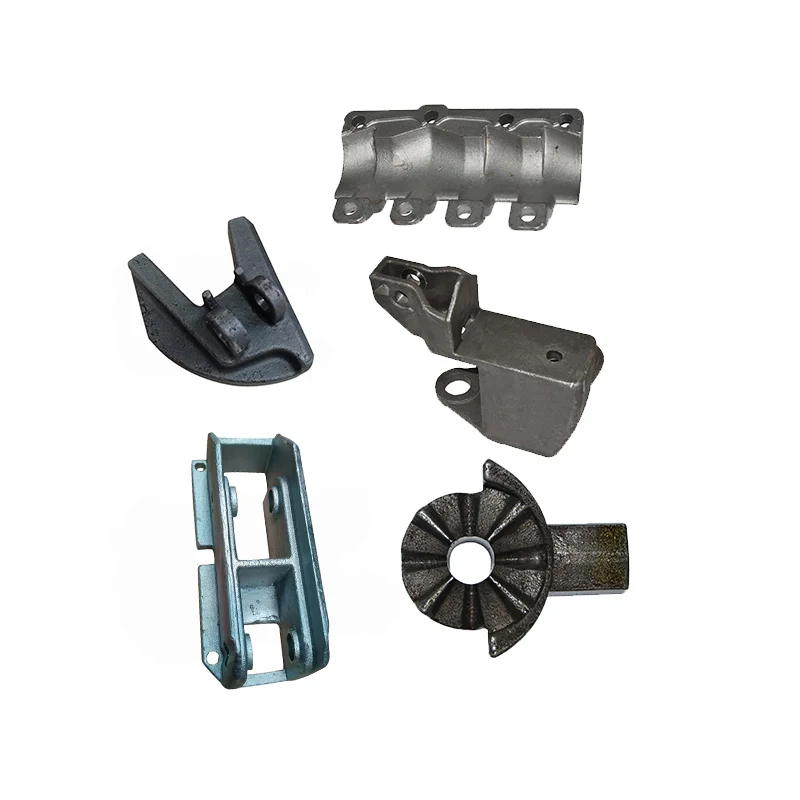
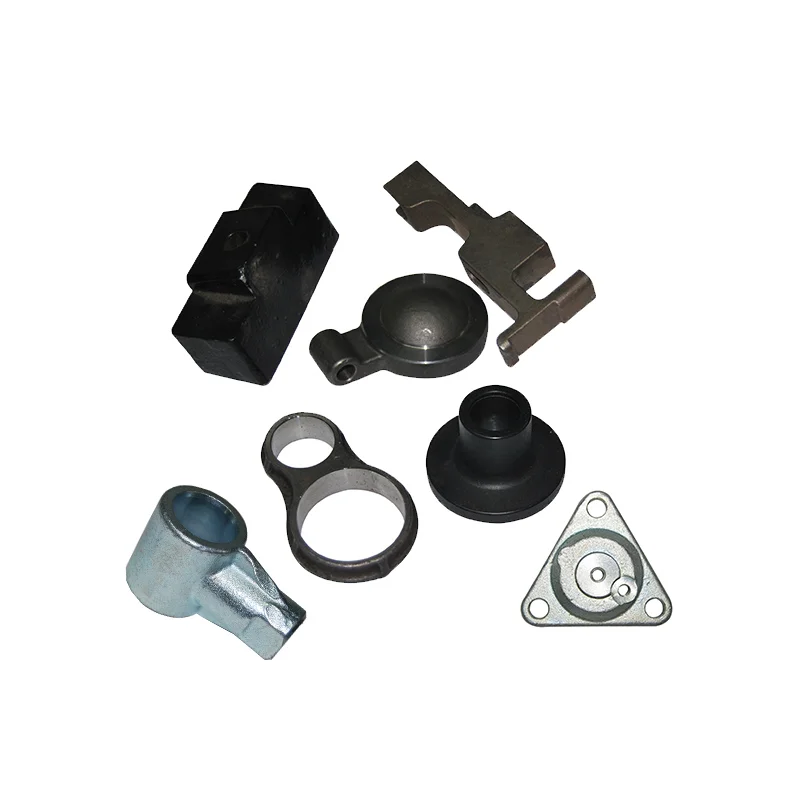
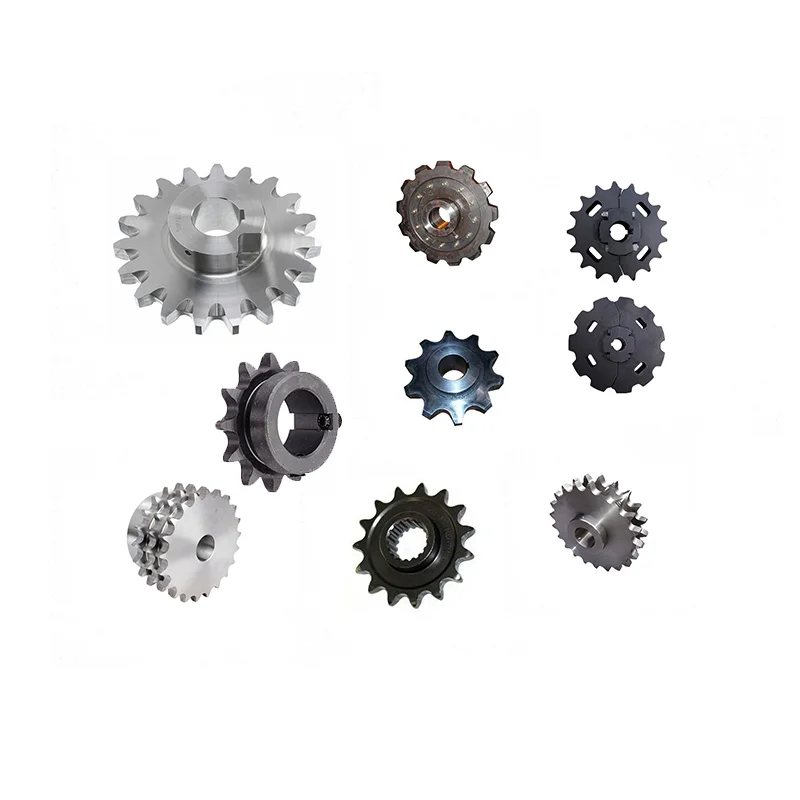
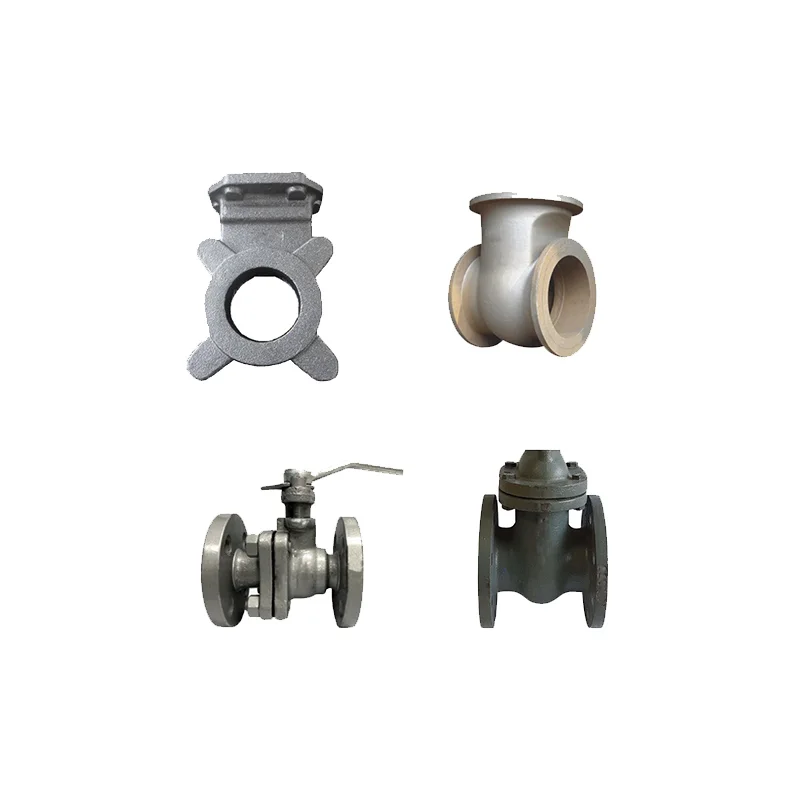
Carbon Steel Iron and Stainless Steel Investment Casting for Tractor and Railway Parts
Let’s define your requirement
Send a product link, drawing or short brief. We’ll work through the details with you.
- Confirm the specificationGrade or model, size and intended use.
- Define your orderQuantity, finish or configuration, and samples.
- Agree the quotation scopeIncluded work, key checks and delivery needs.
-
Surface FinishPassivated , PolishedAlloy Grade316L , 316 , 304
-
ItemStainless Steel Tractor Parts Carbon Steel Casting Railway Parts
-
MaterialCasting stainless steel 304, 316, 316L etc. As customers request.Manufacturing ProcessInvestment casting, option Lost wax casting
-
Casting ToleranceCT4-8 for stainless steel castingMachining ProcessCNC Machining/ Lathing/ Milling/ Turning/ Boring/ Drilling etc.
-
Machining TolearnceUp to IT7, Ra 0.8~3.2 , according to customer requirementSurface TreatmentSurface Passivatin, Polish. As customer request
-
Package of diesel injector pump partsMulti-layer wooden box/pallet, with big plastic bag insideLead Time45 days for die casting stainless steel tractor parts
-
Our ServiceSupply die casting stainless steel tractor parts
Casting enquiries for tractor and railway parts cover carbon steel, iron and stainless steel, with 304, 316 and 316L named for stainless projects. Investment casting and lost wax casting can be discussed with CNC machining. The actual component and its duty should define the selected material, manufacturing route and acceptance requirements.
Identify the tractor or railway component
Specify whether the casting is intended for tractor or railway use and include its material standard and mating dimensions. For a stainless part, identify 304, 316 or 316L on the drawing. A die casting enquiry for tractor parts requires separate grade and route confirmation before the process is finalized for that component.
Keep stainless casting grades separate from machining
The stainless steel casting tolerance range is CT4–CT8. Machining can reach IT7 according to the customer's requirements, with CNC machining, lathing, milling, turning, boring and drilling among the process choices. Mark cast and machined dimensions separately so each acceptance requirement applies to the intended manufacturing stage.
Define roughness and surface treatment together
The machining surface reference is Ra 0.8–3.2, with the roughness unit and measurement conditions to be confirmed. Passivation and polishing are surface options selected for the actual material and component. Identify the surfaces involved and agree appearance or functional criteria alongside the dimensional requirements.
Build acceptance around the working duty
Include the component's working conditions and the checks needed to accept the tractor or railway part. Use one approved drawing revision for material, casting grade, machined dimensions and surface criteria. This gives the casting and CNC enquiry a clear basis for evaluating the proposed work without assuming a particular vehicle fit or railway approval.








