Aluminum Stainless Steel Brass Lost Wax Investment Castings | Wire EDM Broaching
Let’s define your requirement
Send a product link, drawing or short brief. We’ll work through the details with you.
- Confirm the specificationGrade or model, size and intended use.
- Define your orderQuantity, finish or configuration, and samples.
- Agree the quotation scopeIncluded work, key checks and delivery needs.
-
CNC Machining or NotNot CNC MachiningTypeBroaching, Drilling, Etching / Chemical Machining, Laser Machining, Milling, Other Machining Services, Turning, Wire EDM, Rapid Prototyping
-
Material CapabilitiesAluminum, Brass, Bronze, Copper, Precious Metals, Hardened Metals, Stainless Steel, Steel AlloysMicro Machining or NotNot Micro Machining
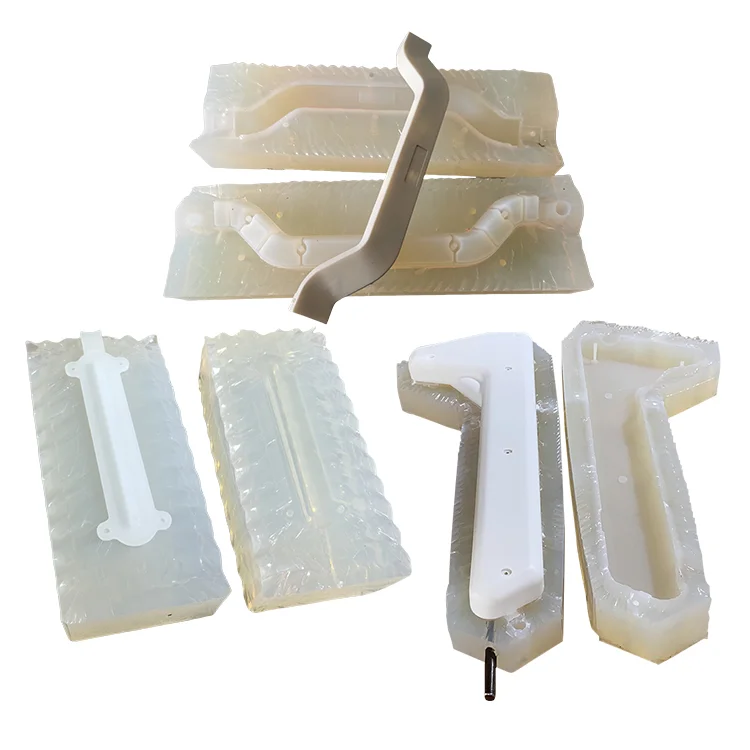
Lost-wax investment casting enquiries cover aluminum, stainless steel and brass components, with wire EDM and broaching among the machining choices. The component specification should identify the selected grade and the operations needed for its geometry. Broader material capabilities can be discussed separately against the required casting or machining scope for the actual part.
Select the material and required operation
Additional material capability enquiries include bronze, copper, precious metals, hardened metals and steel alloys. Specify the grade and connect it with the required process and component drawing. This gives each material enquiry a defined manufacturing purpose and helps establish which casting or machining activities are relevant to the selected part.
Define feature processing and prototype needs
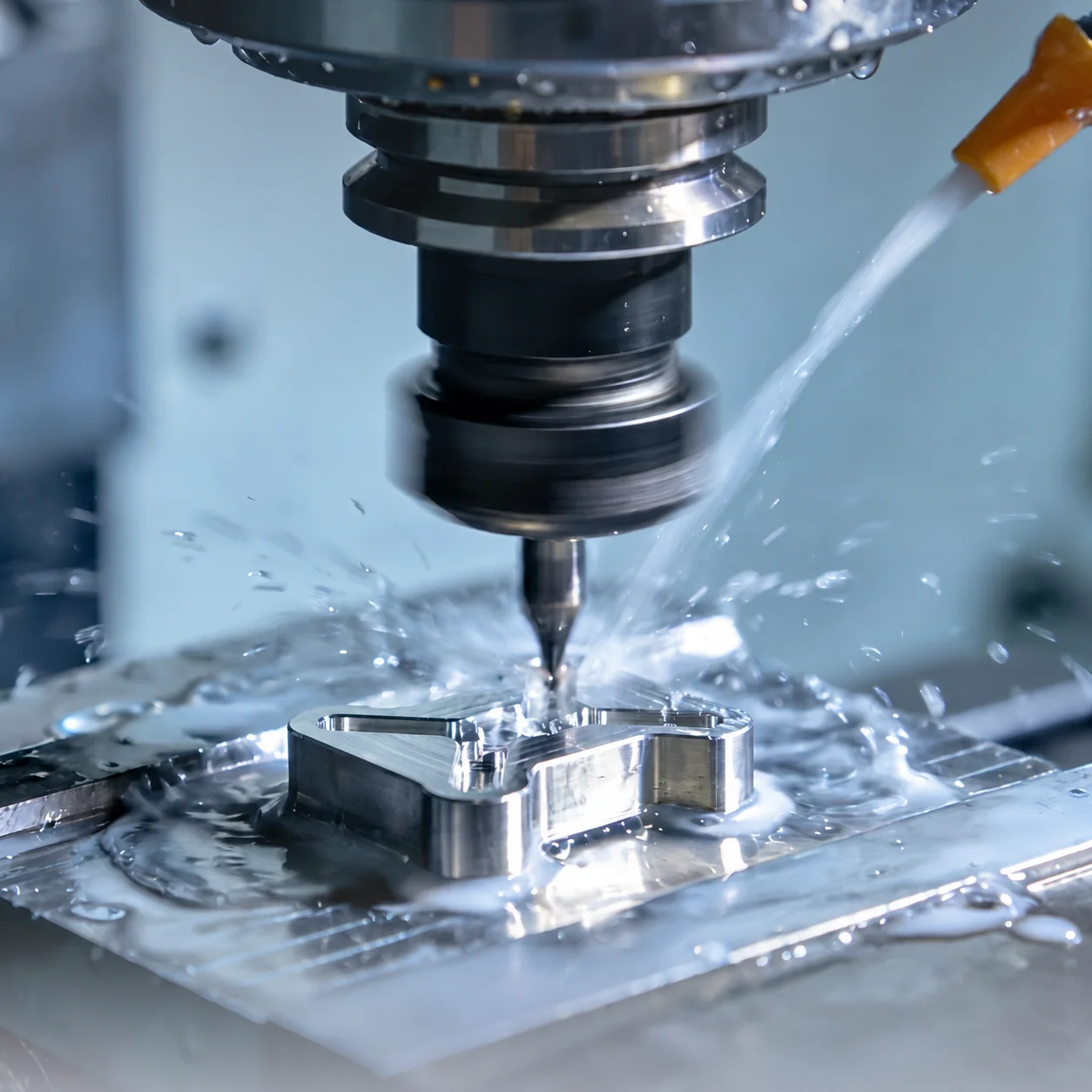
Machining types include broaching, drilling, etching or chemical machining, laser machining, milling, turning and wire EDM. Other machining services and rapid prototyping are also named choices. Mark the features that require each operation and describe the intended prototype or component condition so the processing discussion remains tied to the drawing.
Keep classification and acceptance aligned
The declared service classifications are non-CNC and non-micro machining. Confirm the required feature sizes, dimensional limits and method scope within those classifications before defining the finished part. Include its intended function and acceptance criteria with the material and drawing requirements. A coordinated enquiry can then connect lost-wax casting and selected machining choices with the condition needed for the individual component.