

Aluminum Lost Wax Casting and CNC Machining with CT4–CT7 and Precision Mold Services
Let’s define your requirement
Send a product link, drawing or short brief. We’ll work through the details with you.
- Confirm the specificationGrade or model, size and intended use.
- Define your orderQuantity, finish or configuration, and samples.
- Agree the quotation scopeIncluded work, key checks and delivery needs.
-
NameCasting PartMaterialAluminum
-
ServiceOne Stop Casting & Machining SolutionCasting ToleranceCT4-CT7/Gbt6414-1999; Vdg Merkblad P690
-
Weight0.1kg up to 80kgIndustry StandardsASTM, AISI, ICI, BS, DIN, JIS, ISO
-
Inspection EquipmentCMM, Hardness Tester, Spectrometer, Microscopes, Height GagueMoldPrecision Casting Molds
-
CertificationISO 9001:2015, Products Meet RoHS Standards
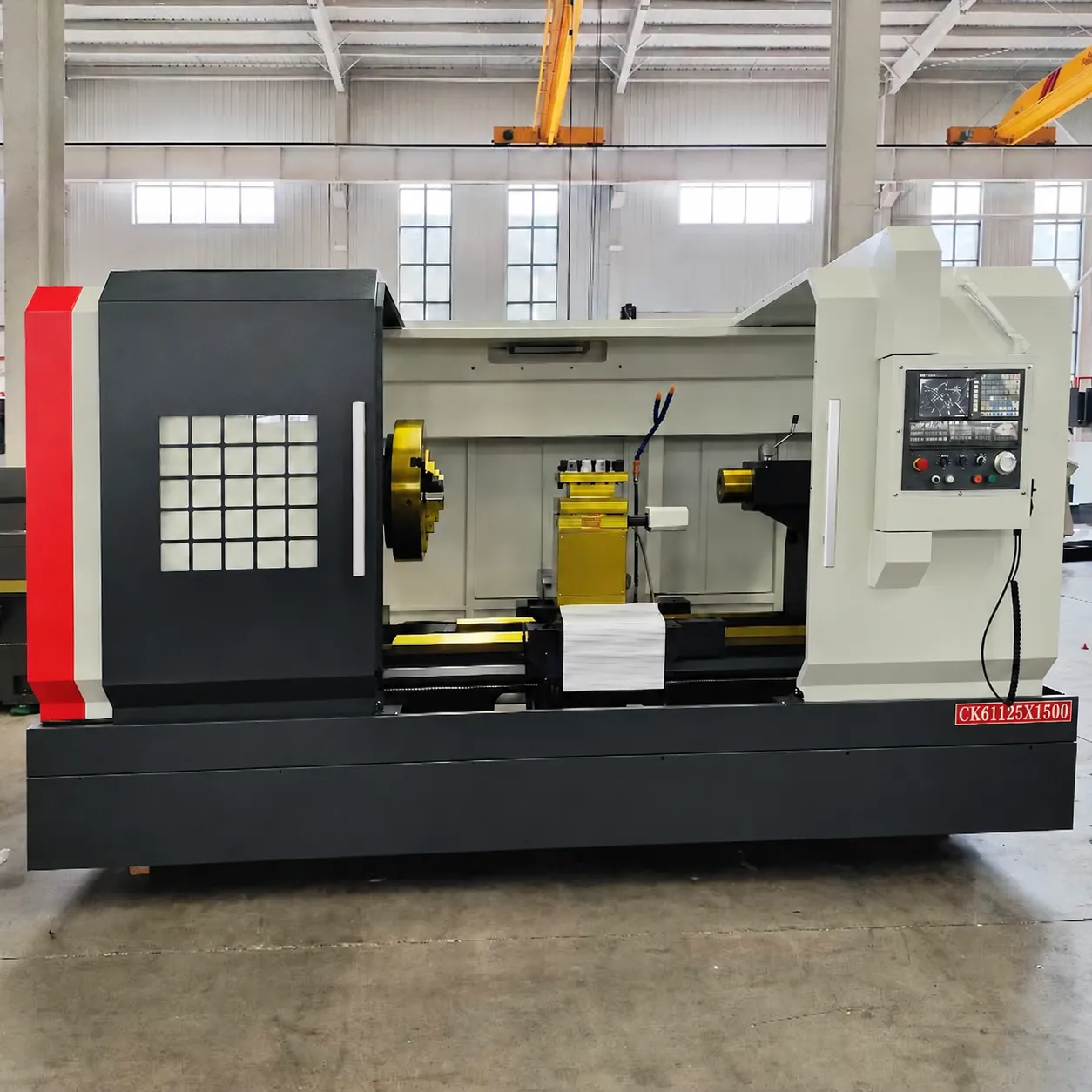
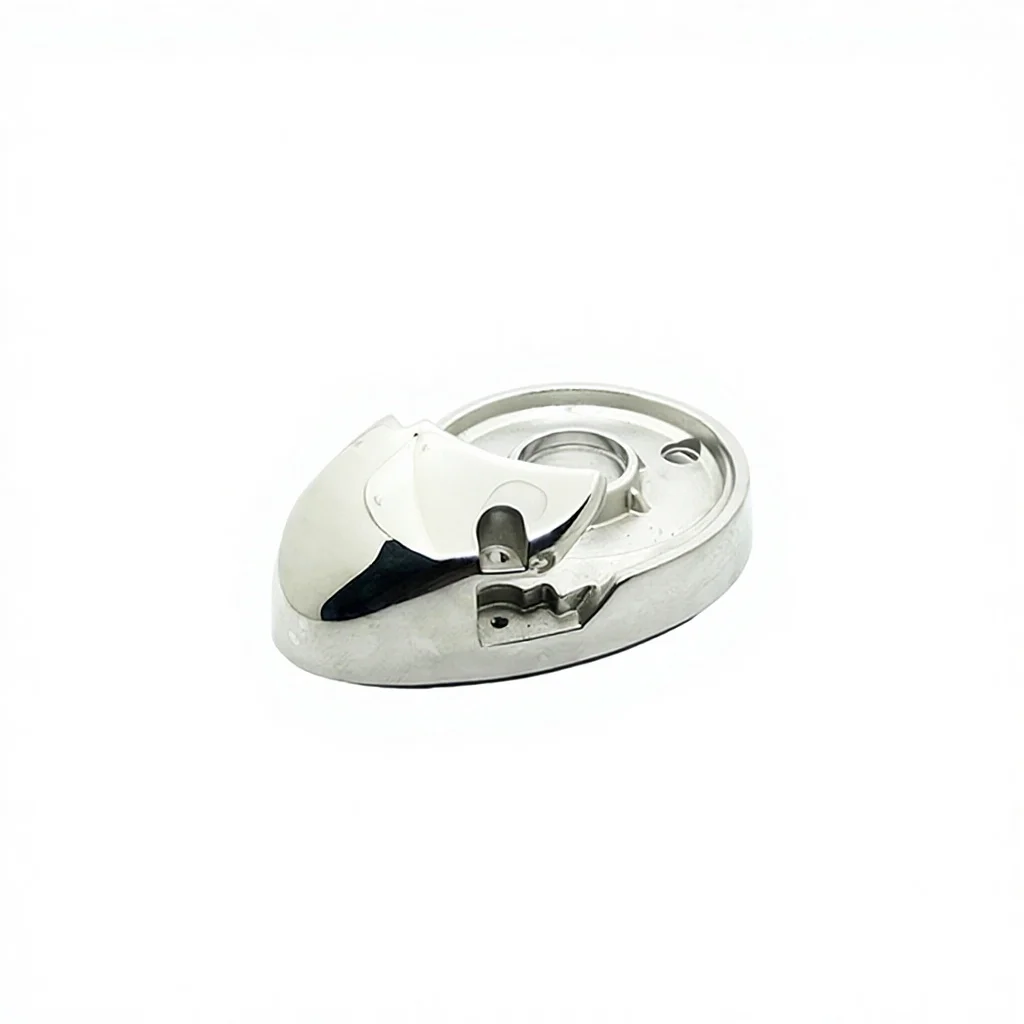
Aluminum lost wax casting and CNC machining can be discussed as a combined component project with precision casting molds. The proposal should identify the aluminum specification, mold deliverables and finished part requirements, so tooling and machining address the component you intend to accept.
Decide what the tooling proposal must supply
Describe whether the enquiry requires a casting part, precision casting molds or both within the project scope. Provide the part drawing and the interfaces that determine the tooling and finished geometry. Agree the deliverables and design references so the mold discussion remains connected to the intended aluminum component.
Assign CT4–CT7 to the casting dimensions
The casting tolerance range is CT4–CT7, with Gbt6414-1999 and Vdg Merkblad P690 as tolerance references to define for the order. Identify the applicable class, dimensions and acceptance basis on the drawing. Separate those casting requirements from any CNC-finished interfaces, which need their own dimensional acceptance criteria.
Choose inspection by the requirement being checked
Inspection equipment includes CMM, hardness tester, spectrometer, microscopes and height gage. Select the checks that address the casting dimensions, material requirements and finished interfaces, then define the methods and records needed for acceptance. The inspection proposal should use the same component revision and requirements as the casting and machining scope.
Tie material and documentation to the order
Specify the aluminum grade and the exact ASTM, AISI, ICI, BS, DIN, JIS or ISO requirements relevant to the part. Where ISO9001:2015 or RoHS evidence is required, confirm the current certificate scope and the evidence corresponding to the supplied material or component. Review these requirements with the tooling and machining deliverables before approving the combined project.