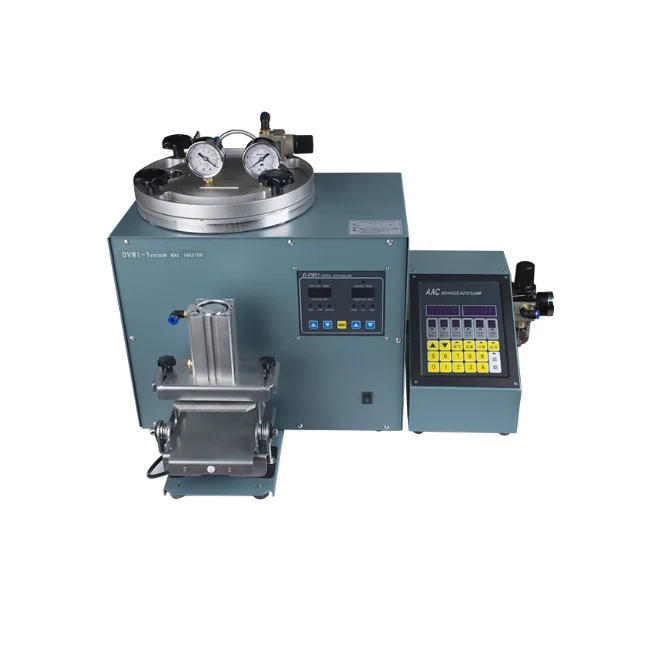
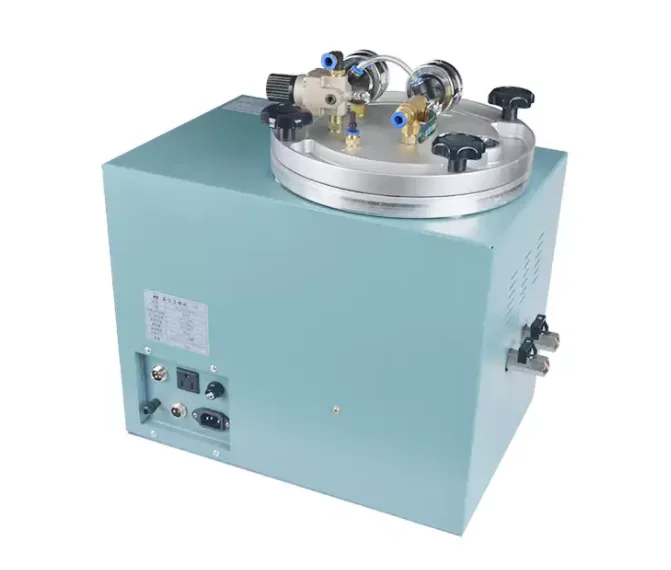
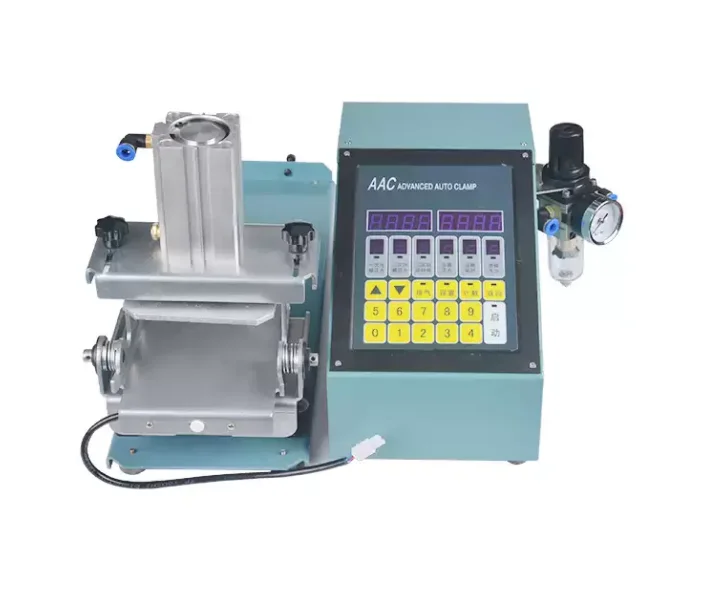
400W 110/220V Jewelry Vacuum Low-Bubble Wax Injection Plate Casting Machine | Lost-Wax Mold Making
Let’s define your requirement
Send a product link, drawing or short brief. We’ll work through the details with you.
- Confirm the specificationGrade or model, size and intended use.
- Define your orderQuantity, finish or configuration, and samples.
- Agree the quotation scopeIncluded work, key checks and delivery needs.
-
Equipment Supply Voltage220V , 110V
-
Weight (kg)35warranty1 Year
-
Power (W)400WVoltage110 V, 220 V
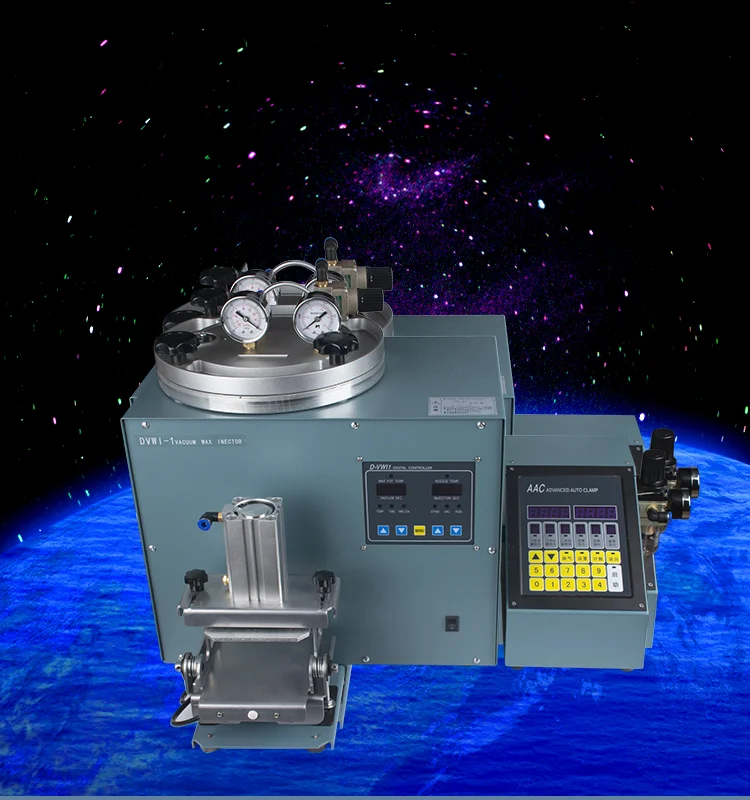
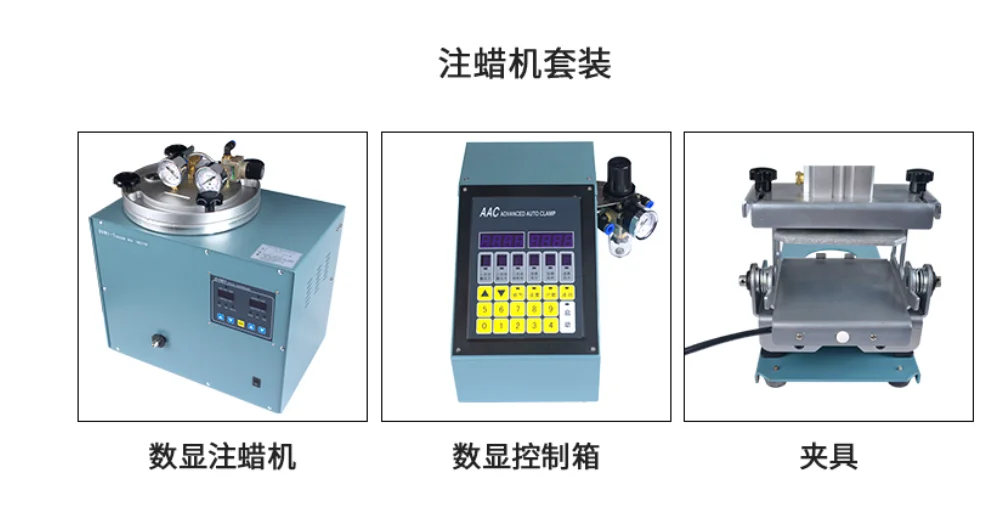
Jewelry vacuum wax-injection and plate-casting equipment has a 400 W power reference and electrical selections of 110 V or 220 V. Mold-making and lost-wax work are the intended process directions. The low-bubble target is qualitative, with the actual jewelry procedure and required pattern acceptance to define for the selected setup.
400 W with the selected voltage configuration
Choose the actual 110 V or 220 V configuration required for the intended equipment arrangement. The 400 W reference provides a clear electrical starting point for that selection. Connect the voltage choice to the machine functions and procedure being agreed, so the electrical and process requirements concern the same jewelry-equipment setup.
Wax injection, plate casting and mold fit
Identify the functions needed for the intended wax-injection or plate-casting task and establish their inclusion in the chosen configuration. Select the actual wax/material procedure and the mold or tooling geometry required for the work. The pattern shape, tooling arrangement and required finished acceptance should be considered together when defining the jewelry process.
Low-bubble acceptance for the actual pattern
Define how the low-bubble target will be assessed for the selected wax and pattern geometry. Agree the vacuum/injection operating requirements and the procedure relevant to that setup. Relating those conditions to the tooling and finished-pattern acceptance makes the equipment inquiry specific to the mold-making or lost-wax jewelry task, with the selected electrical configuration clearly identified.