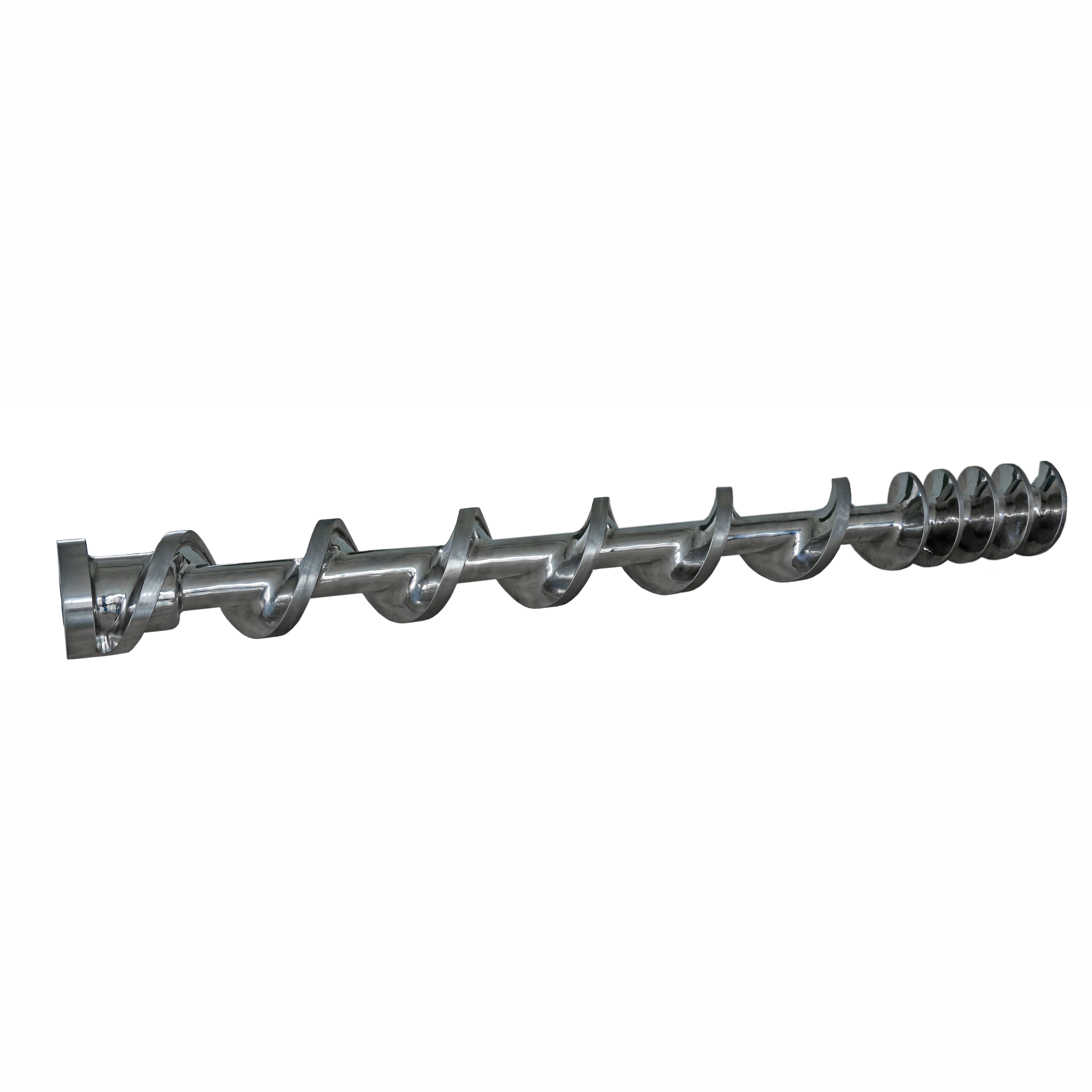
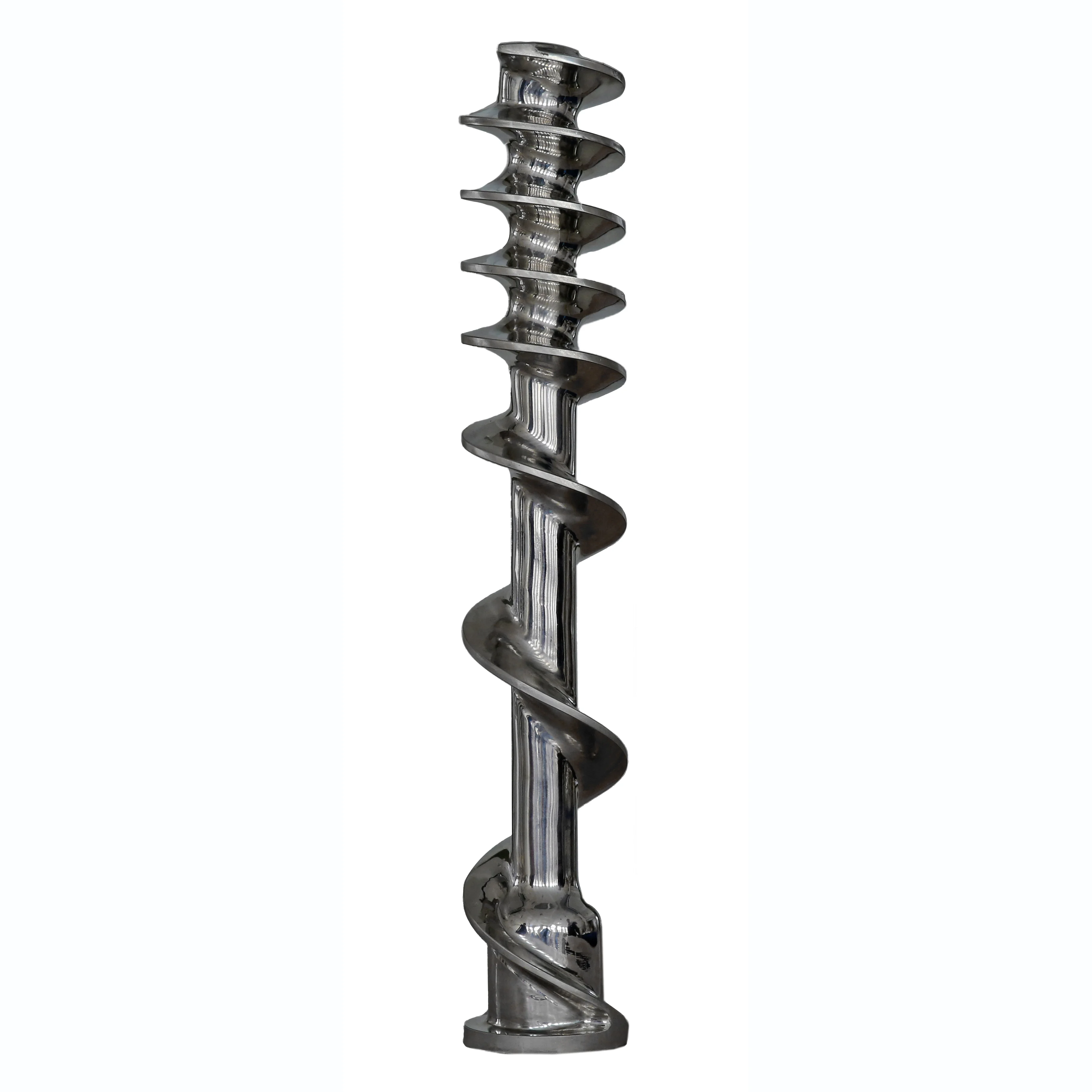
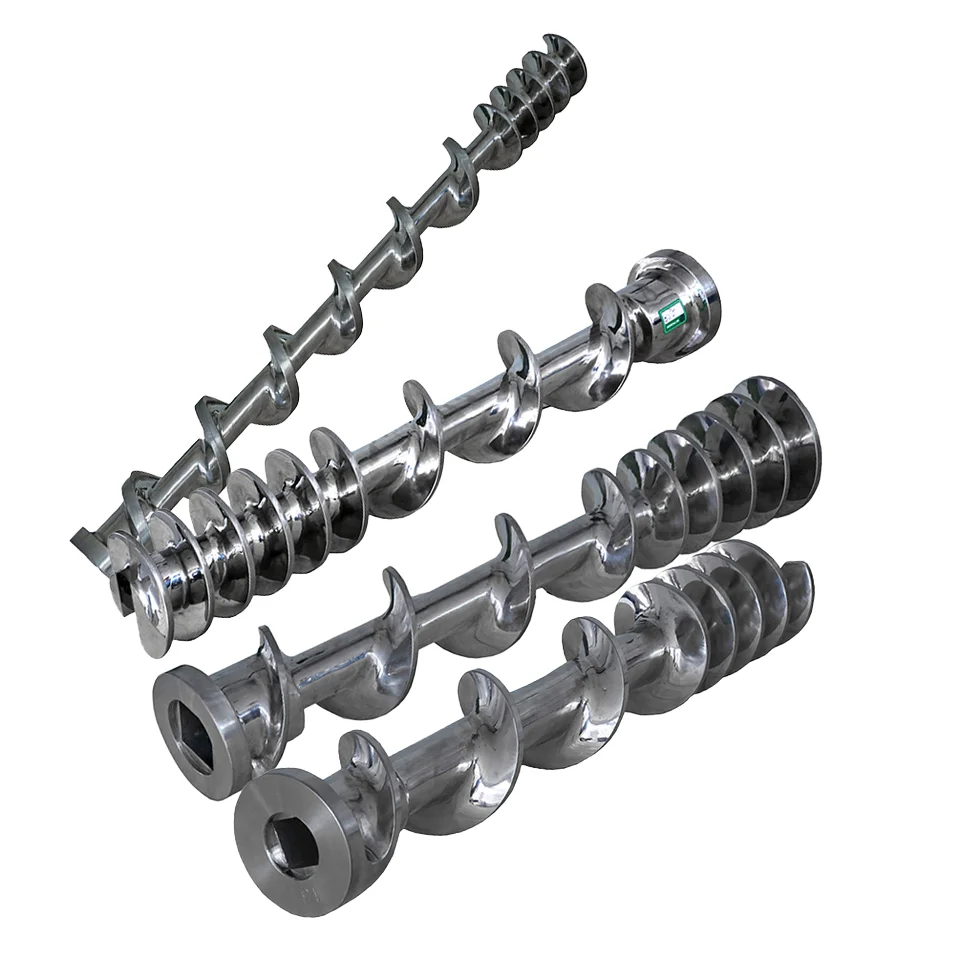
304/316/316L Stainless Steel Meat Processing Parts | Precision Investment Casting and Polishing
Let’s define your requirement
Send a product link, drawing or short brief. We’ll work through the details with you.
- Confirm the specificationGrade or model, size and intended use.
- Define your orderQuantity, finish or configuration, and samples.
- Agree the quotation scopeIncluded work, key checks and delivery needs.
-
Surface FinishPolishedAlloy Grade304
-
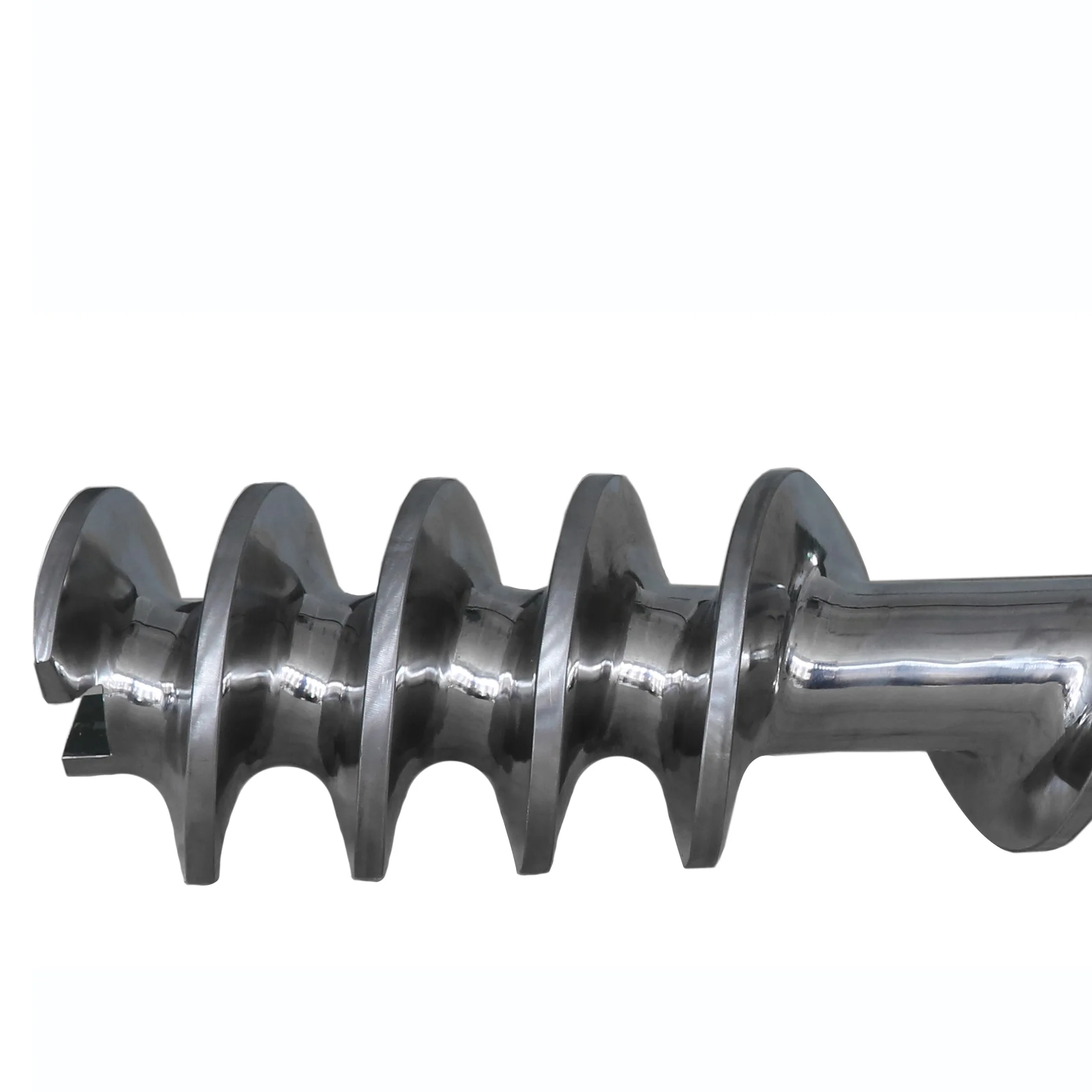
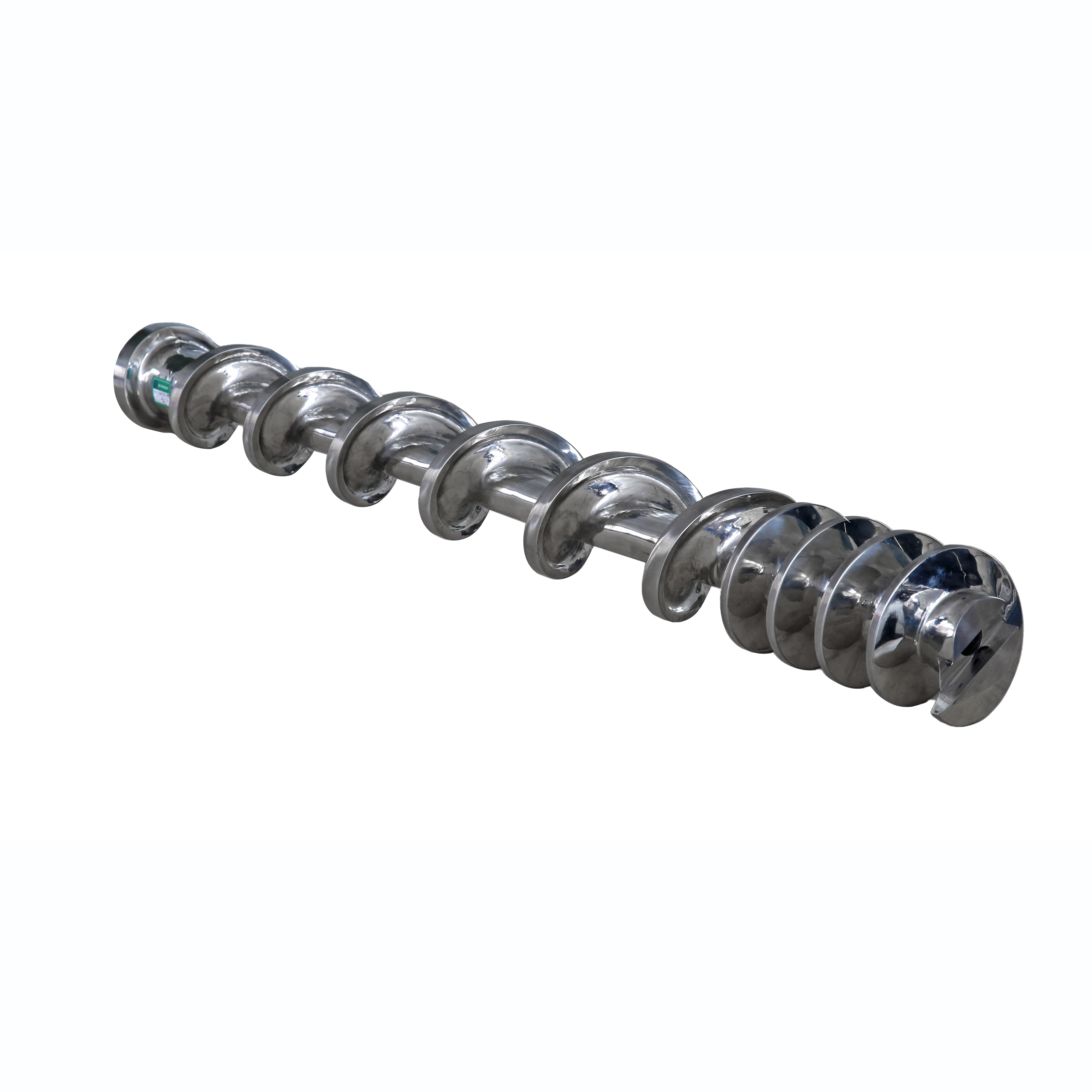
Name304 316 316L Precision Casting Parts
-
ProcessInvestment Casting+machining+polishingPackingPoly Bag + Inner Box + Carton
-
ApplicationMeat ProcessingSurface treatmentPolishing
-
Material304SSCasting ToleranceCT5-7
-
MOQNegociatedCertificationISO9001-2015
-
Quality Control100% Inspection
Meat-processing part enquiries can combine stainless steel investment casting, machining and polishing in one manufacturing request. The material reference is 304SS, with 304, 316 and 316L grade directions to confirm for the selected component. Choose the actual grade and finished-part requirements before defining the work.
Separate casting and machining acceptance
The casting tolerance reference is CT5-7. Agree the dimensions and drawing requirements to which that casting class applies, then identify the dimensions that need acceptance after machining. Keeping those stages distinct helps define what the cast shape and finished machined part must each achieve.
Define the polished component surface
Polishing is the surface treatment for these precision stainless steel parts. Describe the required polished condition on the same component drawing or acceptance brief used for the machining request. Relate that surface condition to the actual meat-processing duty and any particular requirements for the component's intended use.
Make full inspection useful for the part
100% inspection is offered for this meat-processing casting work. Agree the characteristics to be checked, the inspection records needed and the acceptance for the cast, machined and polished condition. Use the chosen grade and dimensional requirements to keep those checks focused on the actual component.
Review the application and certificate scope
ISO9001-2015 is a certification reference whose applicable scope should be confirmed for the project. Establish any requirements specific to the intended meat-processing component, including food-contact criteria where relevant. Bring those requirements together with the grade, drawing, CT5-7 casting scope and polished-surface acceptance when discussing the proposed manufacturing work.