
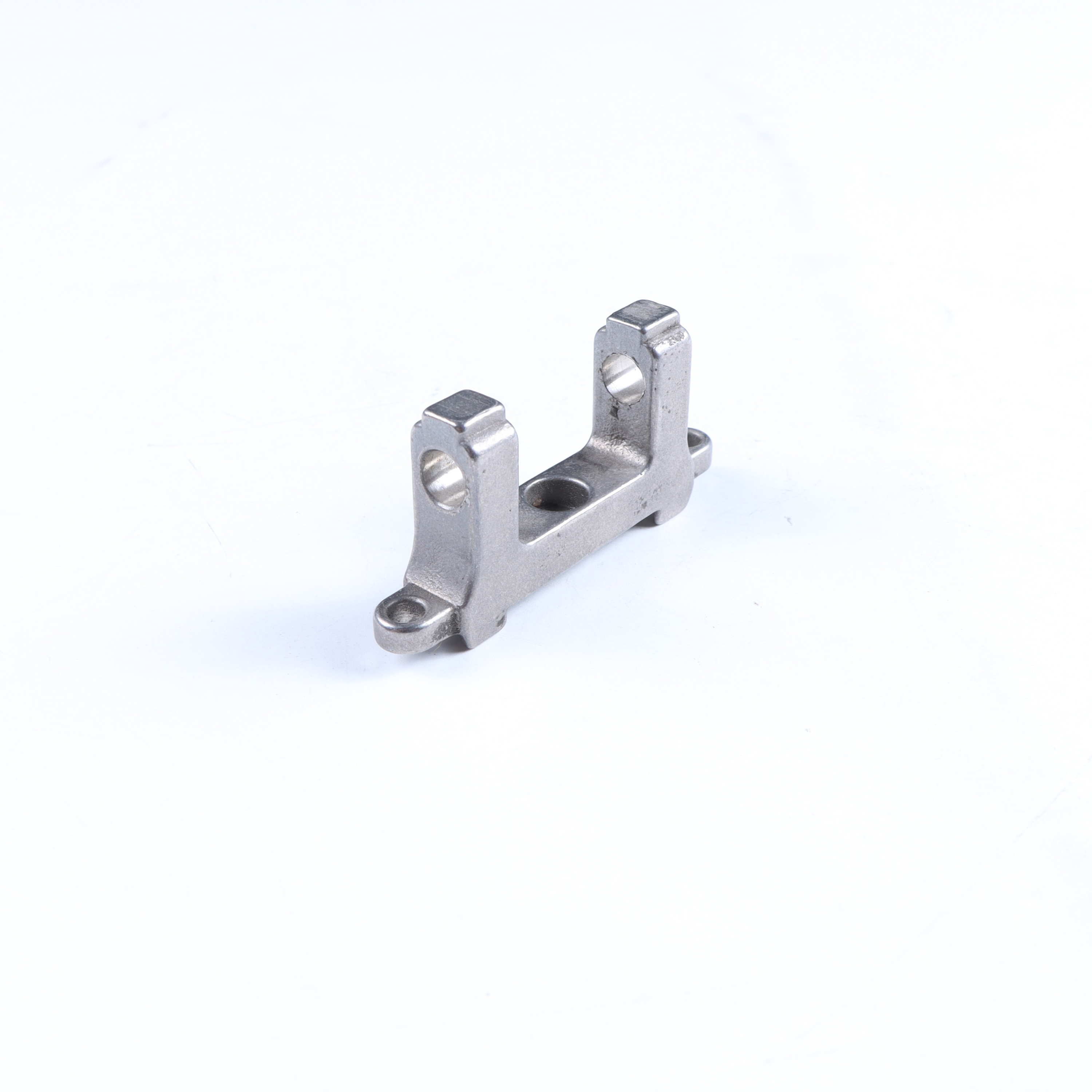
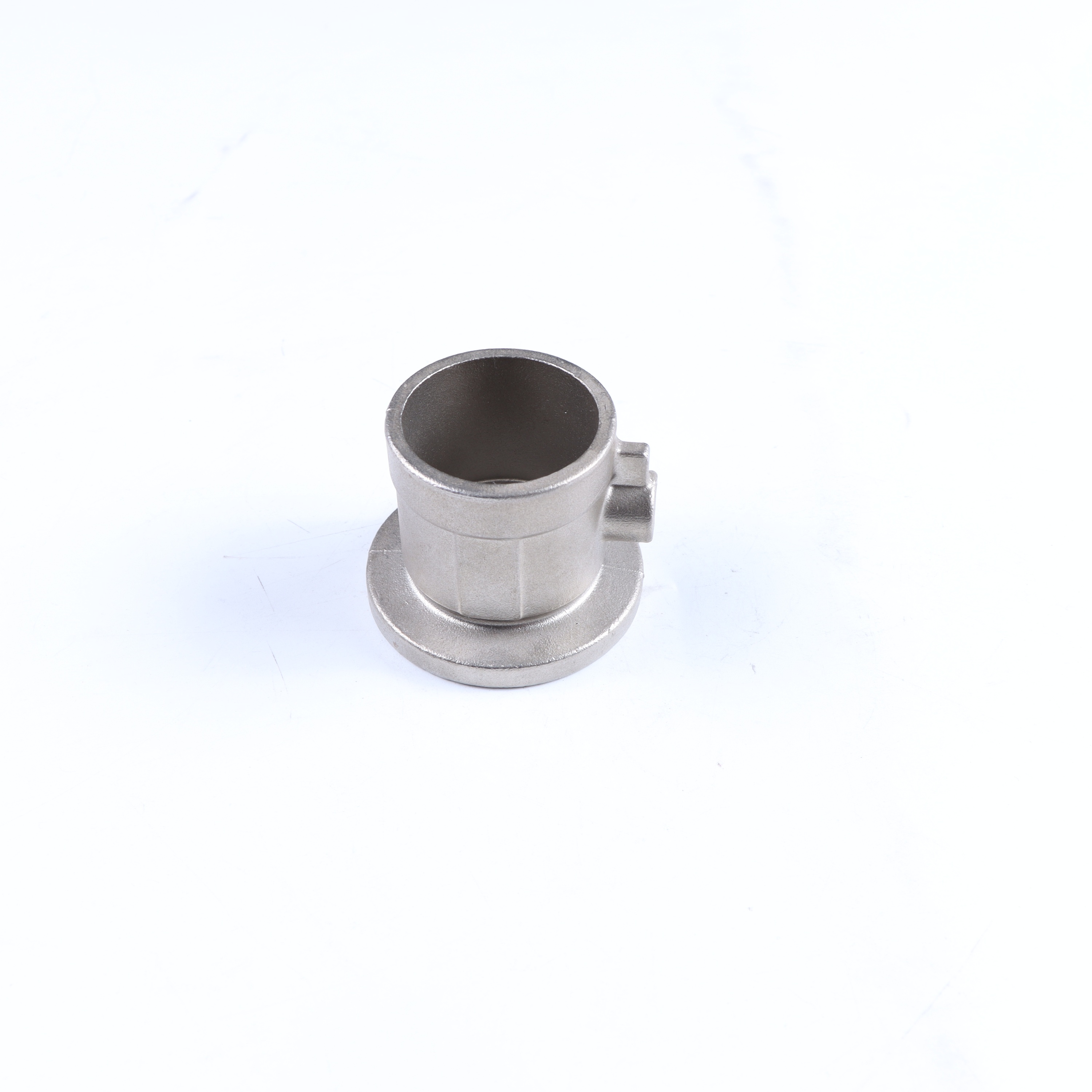
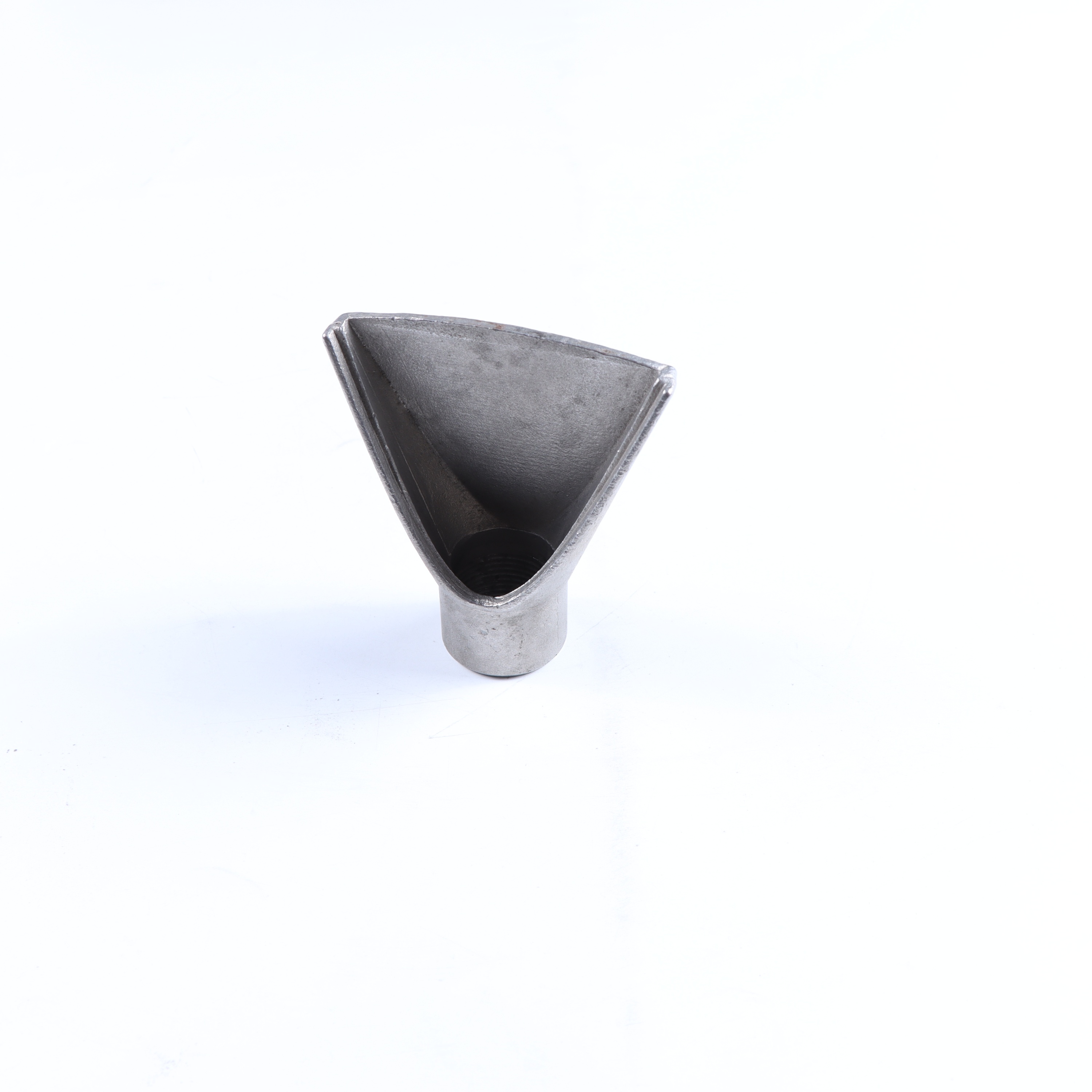
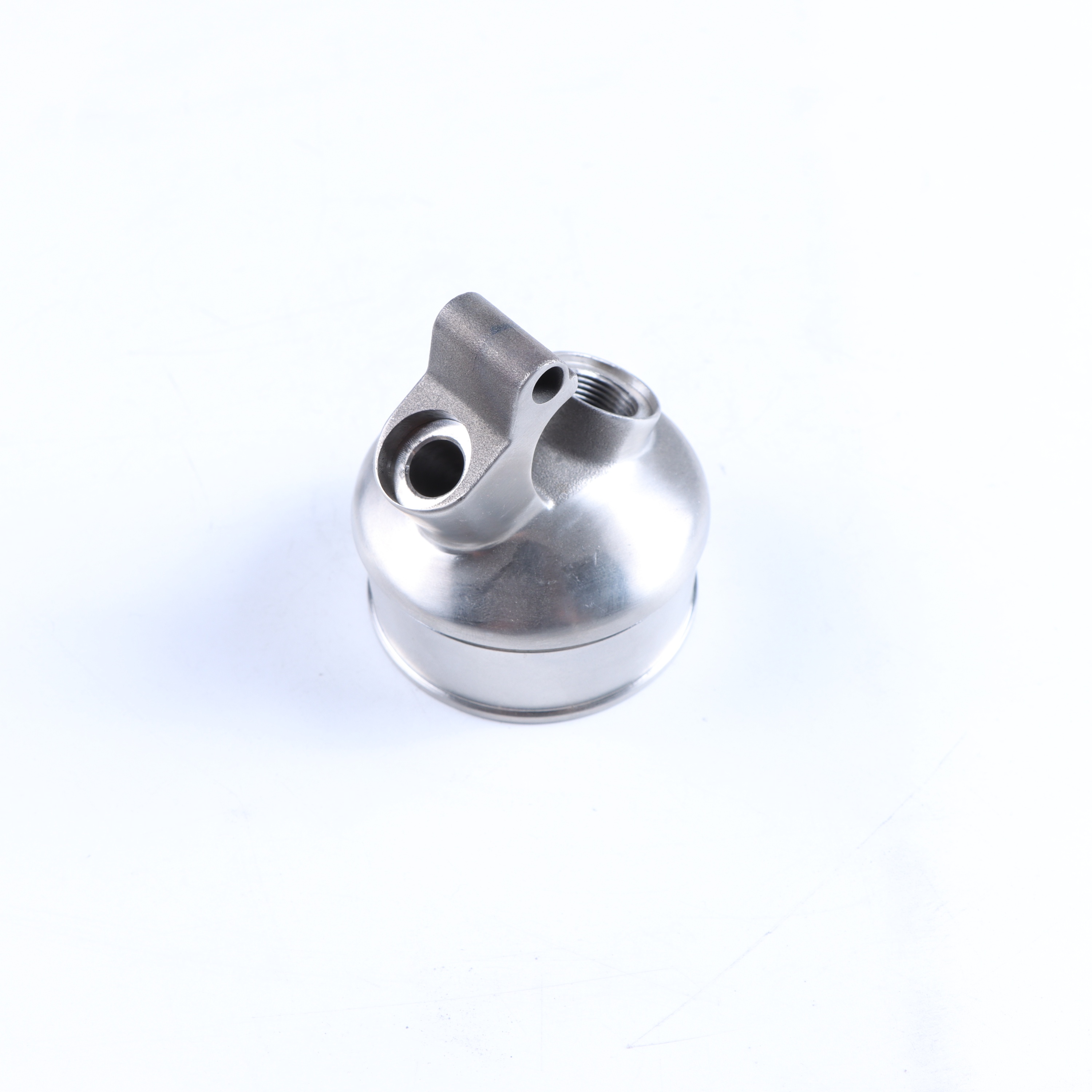
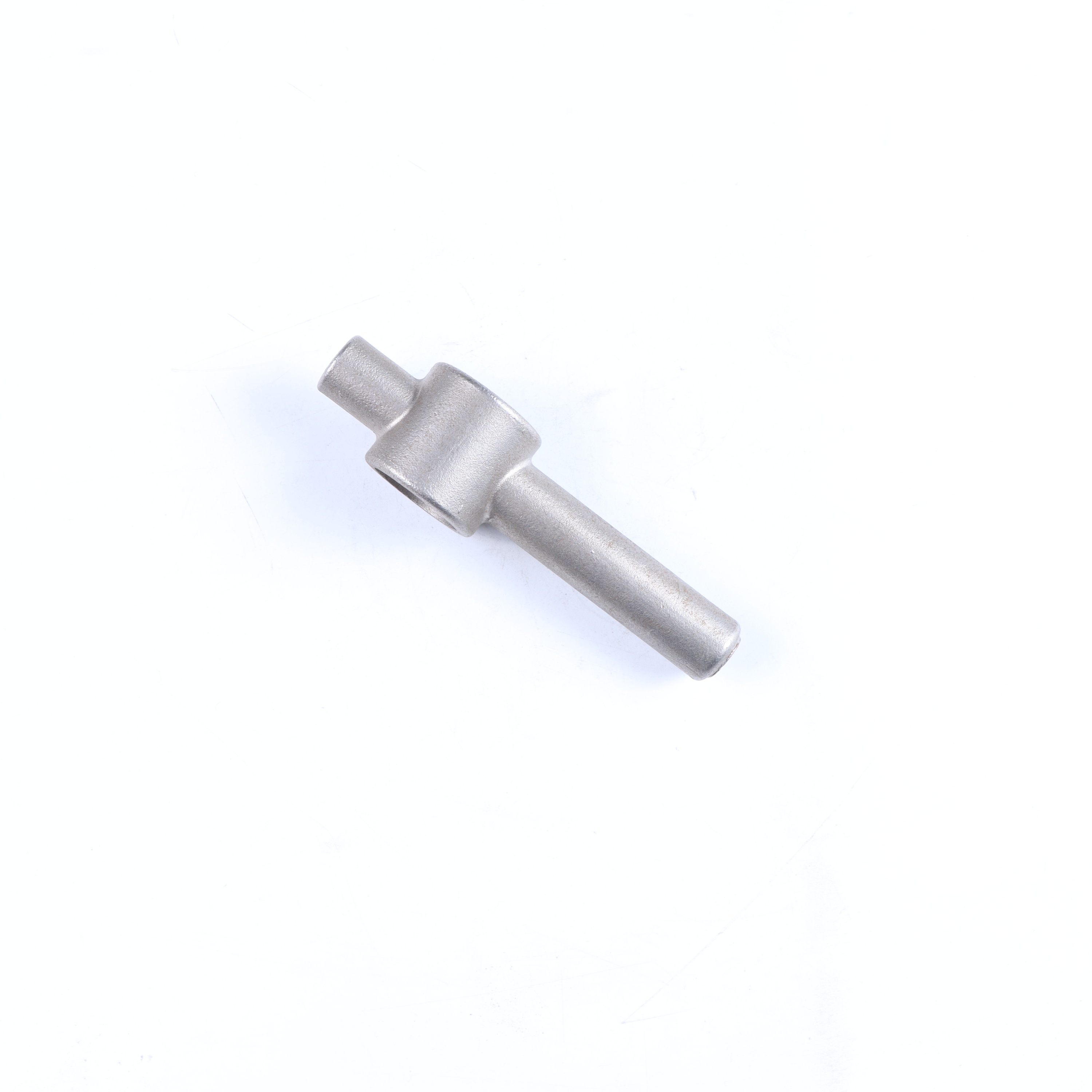
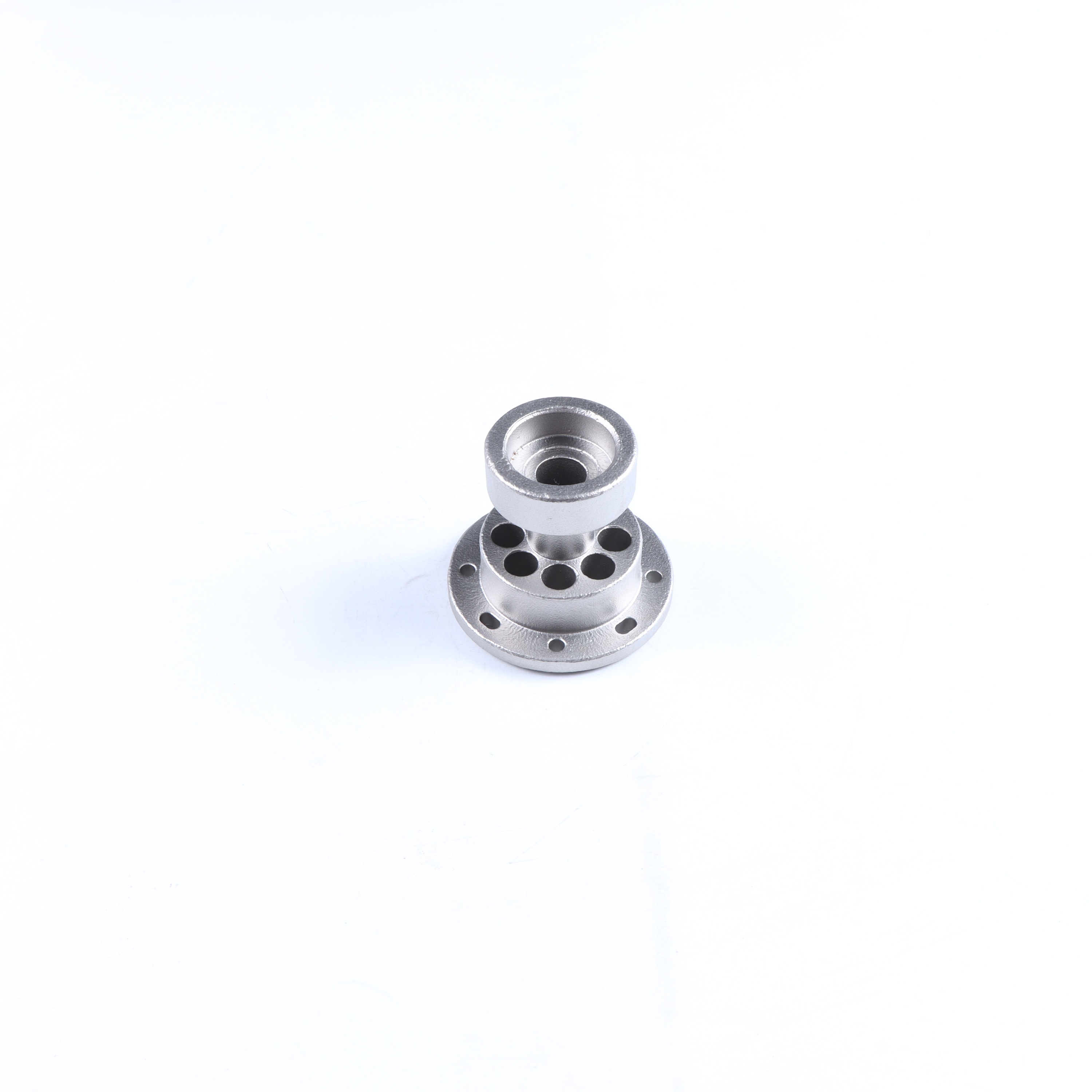
OEM/ODM Custom Stainless Steel Lost Wax Investment Castings with Polishing and Grinding
Let’s define your requirement
Send a product link, drawing or short brief. We’ll work through the details with you.
- Confirm the specificationGrade or model, size and intended use.
- Define your orderQuantity, finish or configuration, and samples.
- Agree the quotation scopeIncluded work, key checks and delivery needs.
-
Surface FinishPolished
-
Product nameCustom Casting Parts
-
MaterialStainless SteelSurface treatmentpolishing and grinding
-
ServiceOEM ODM CustomisedApplicationWidely Used
-
PackingPoly Bag + Inner Box + CartonSizeCustomer's Drawing Required
-
Quality ControlProfessional InspectionTypeOEM Casting Parts
Custom stainless steel lost wax investment castings are available through OEM and ODM service, with polishing and grinding for the selected surfaces. The customer's drawing establishes component size, giving the material, geometry and finish review a common starting point.
Identify the surfaces that govern the design
A custom drawing needs to distinguish the surfaces important to the component's appearance from those controlling its fit. Mark where polishing or grinding is required and describe the finished acceptance for each area. Where a treated surface also forms a mating interface, agree its dimensional and surface requirements together so the finished result can be assessed consistently.
Choose the stainless grade for the actual duty
Specify the grade needed for the intended component and the conditions it will encounter in use. Connect that material choice to the drawing and mating requirements rather than treating stainless steel as one universal specification. The OEM/ODM review can then address the chosen geometry, lost wax casting route and required polished or ground finish as a single component definition.
Make the inspection plan follow the drawing
Professional inspection supports this custom stainless casting work. Select the characteristics, methods and records needed for the finished part, including the critical dimensions and areas receiving polishing or grinding. Establish the criteria that will be used to accept those surfaces and interfaces. Keep the final drawing revision, selected grade and finish requirements aligned during approval, so the inspection review addresses the component that will actually be supplied for the intended use.








