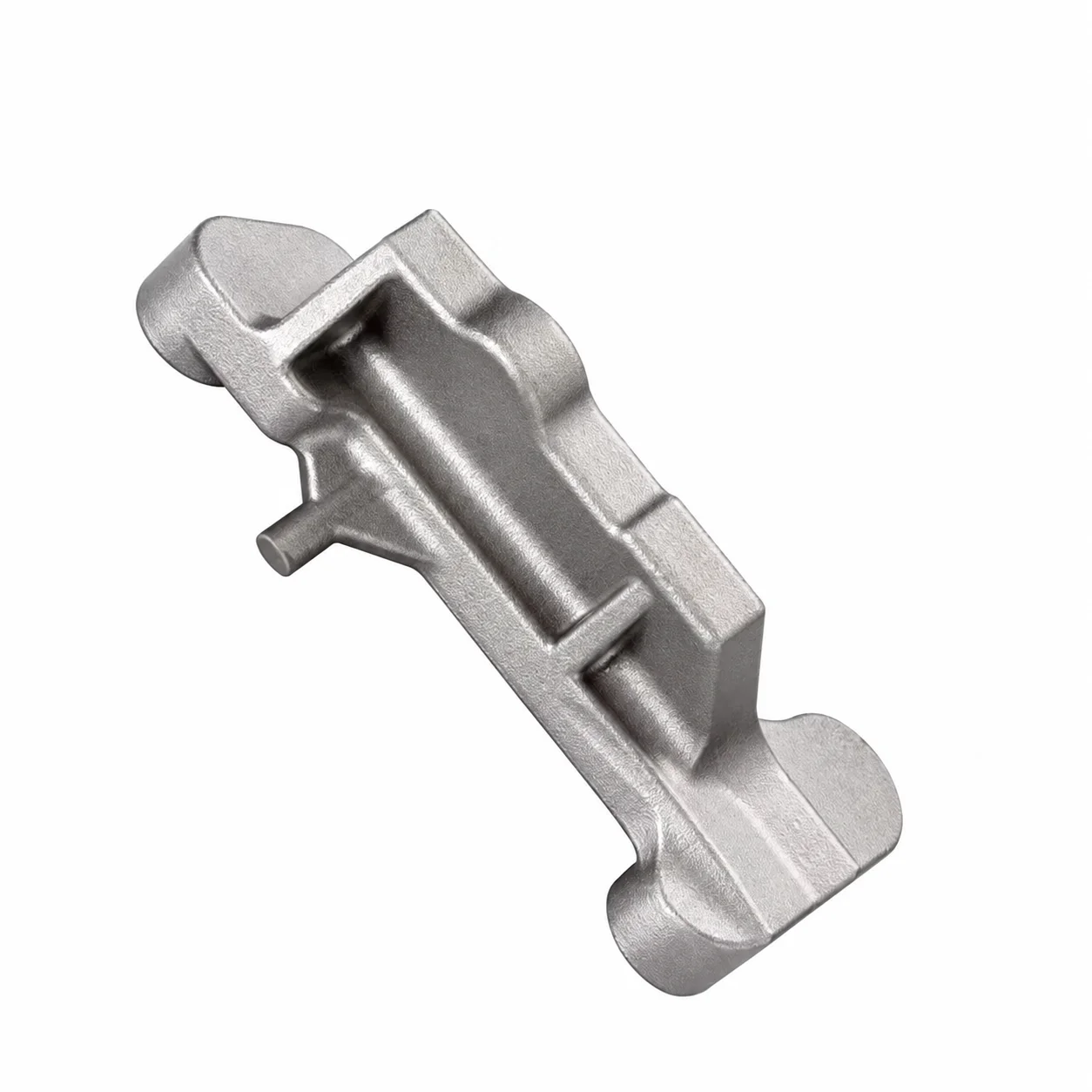
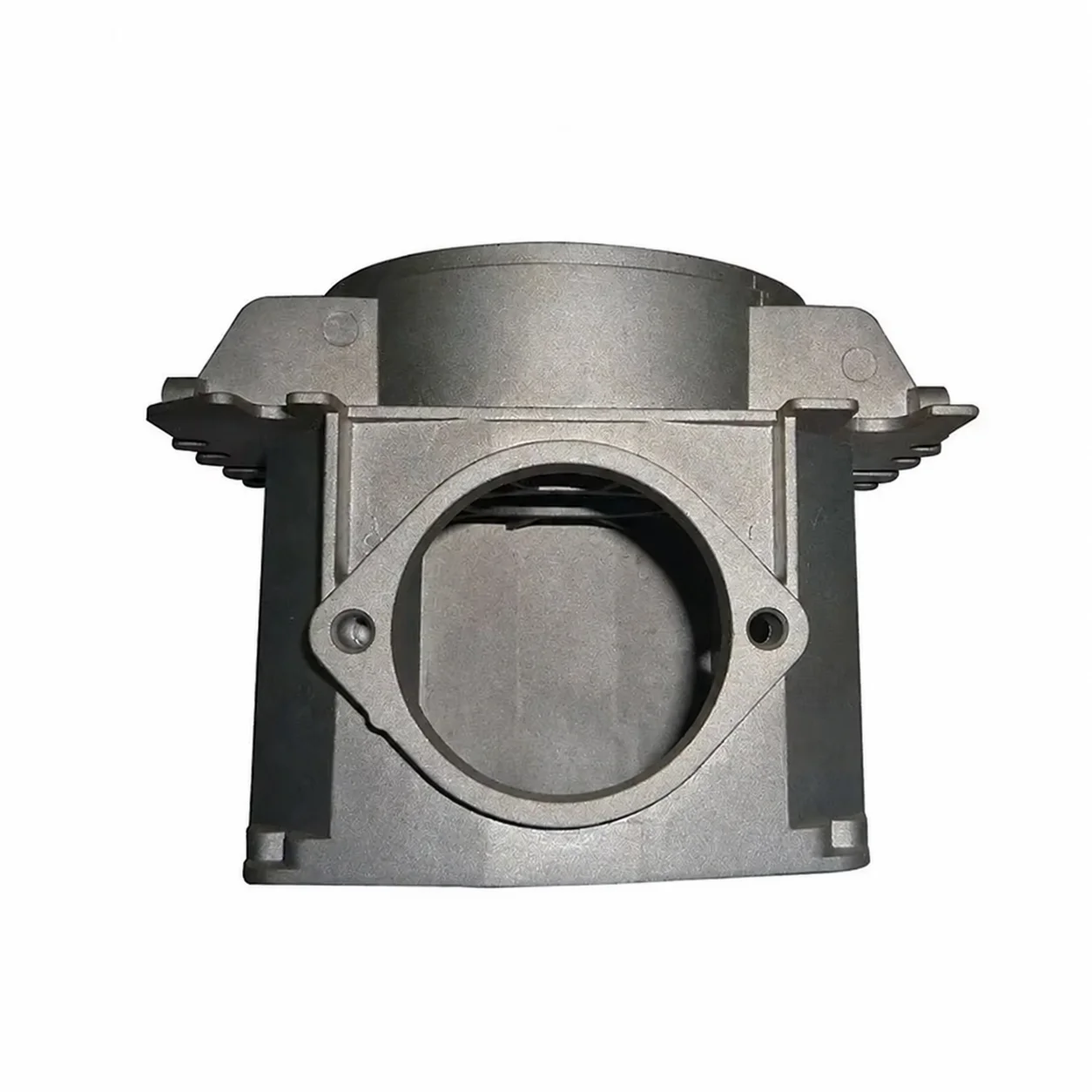
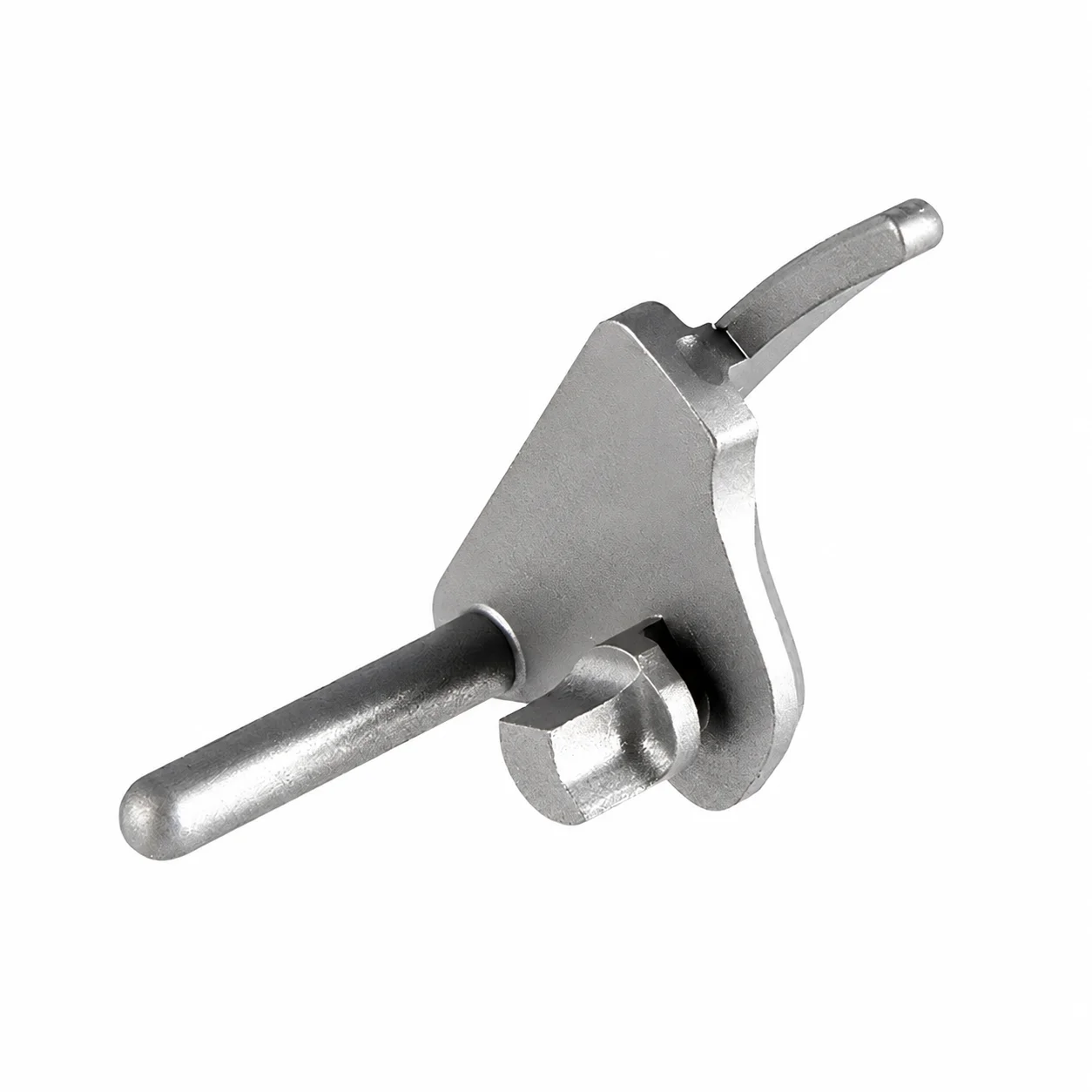
OEM Custom Precision Steel Investment Castings | Machining & Resistance Requirements
Let’s define your requirement
Send a product link, drawing or short brief. We’ll work through the details with you.
- Confirm the specificationGrade or model, size and intended use.
- Define your orderQuantity, finish or configuration, and samples.
- Agree the quotation scopeIncluded work, key checks and delivery needs.
-
ItemCustom Investment Casting
-
MaterialSteel/ Brass/ Bronze/ TitaniumSurface treatmentSteel/ Brass/ Bronze/ Titanium
-
ProcessSilica Sol, Water Glass, PlasterSampleFree samples can be sent after paying the mold fee
-
MOQ100 PiecesDrawing format2D: PDF, DWG, DXF 3D: STEP, STP, IGS
-
PackingCarton, Plywood CaseShippingBy Courier/ Air/ Railway/ Sea
-
PaymentT/T, PayPal, Alipay, L/C, Western Union
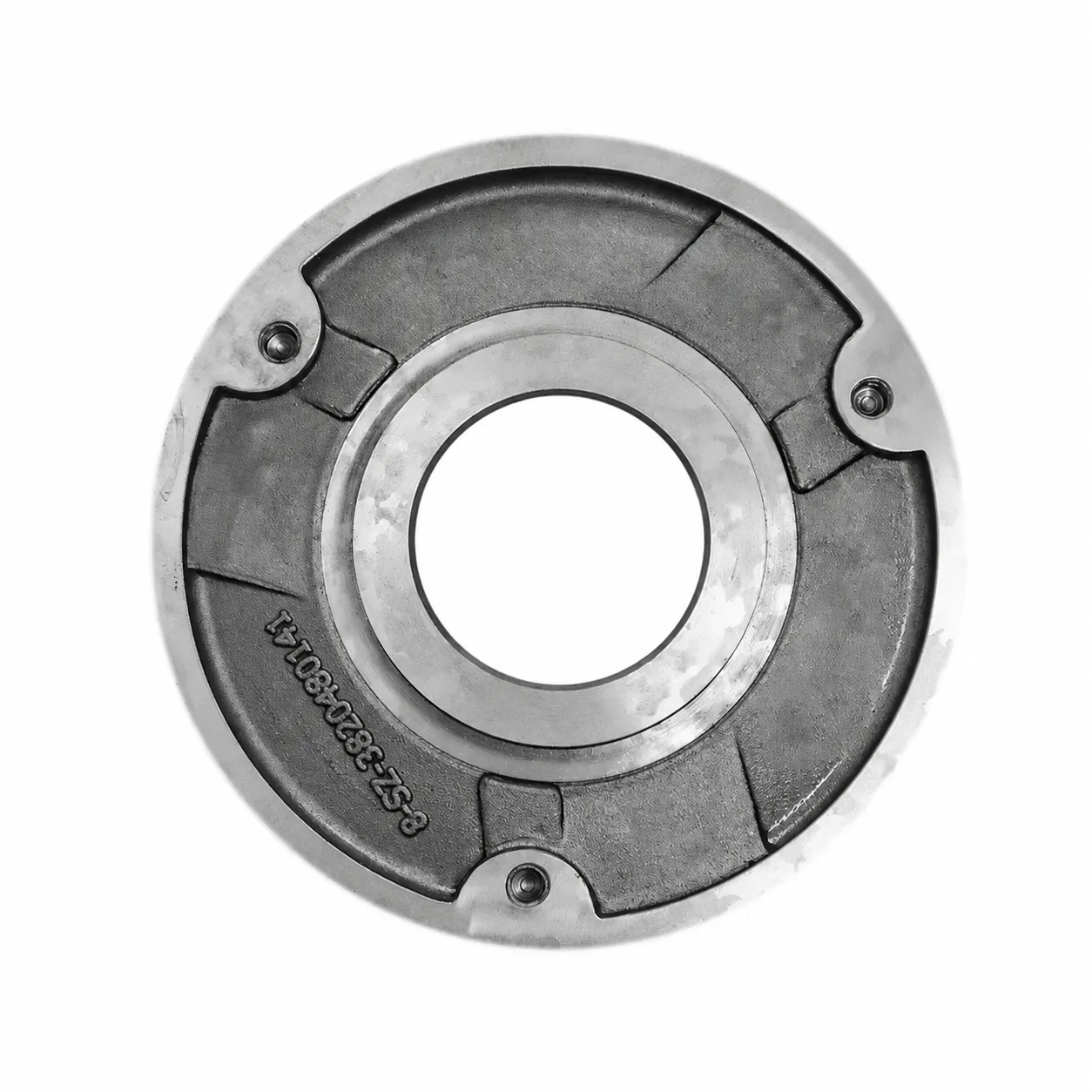
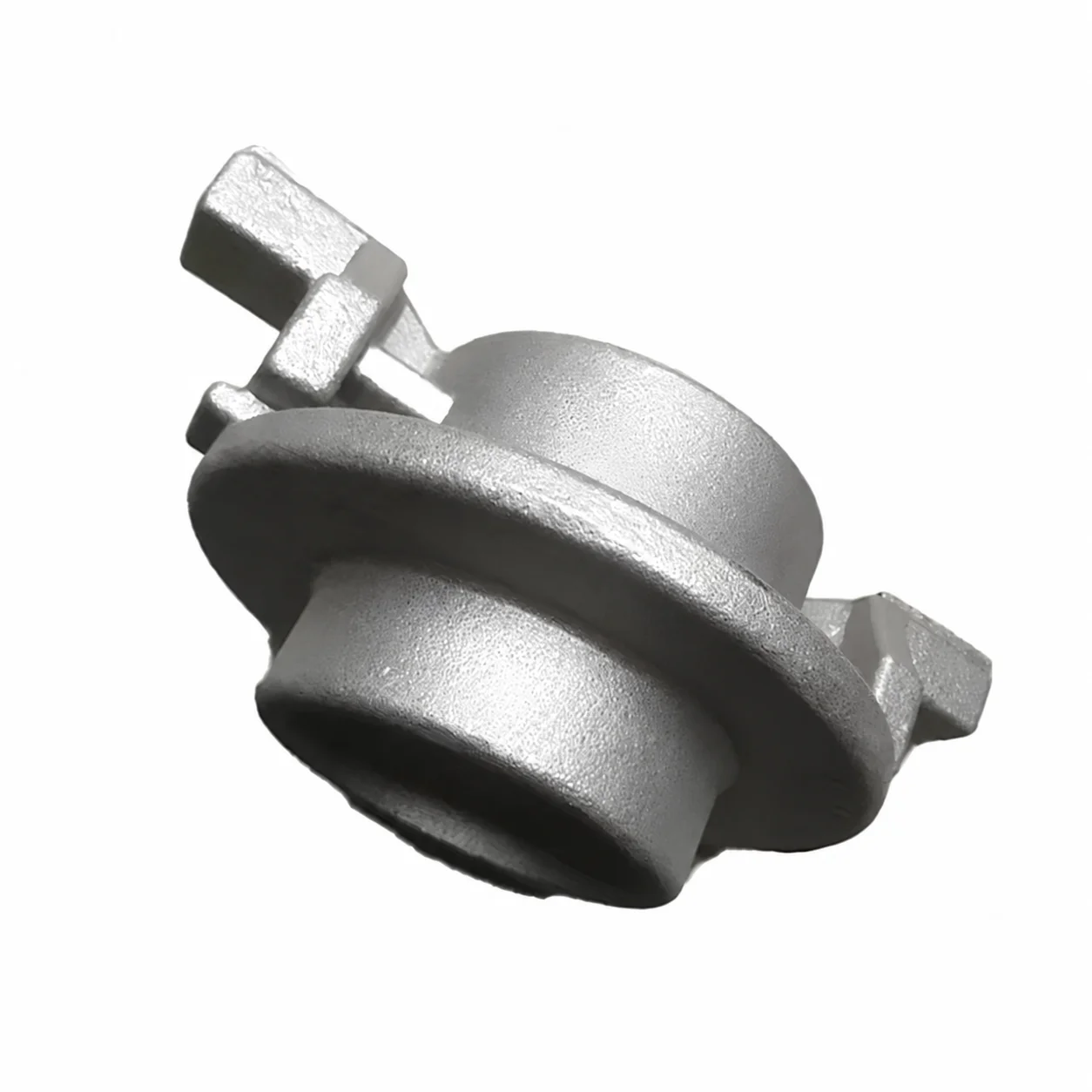
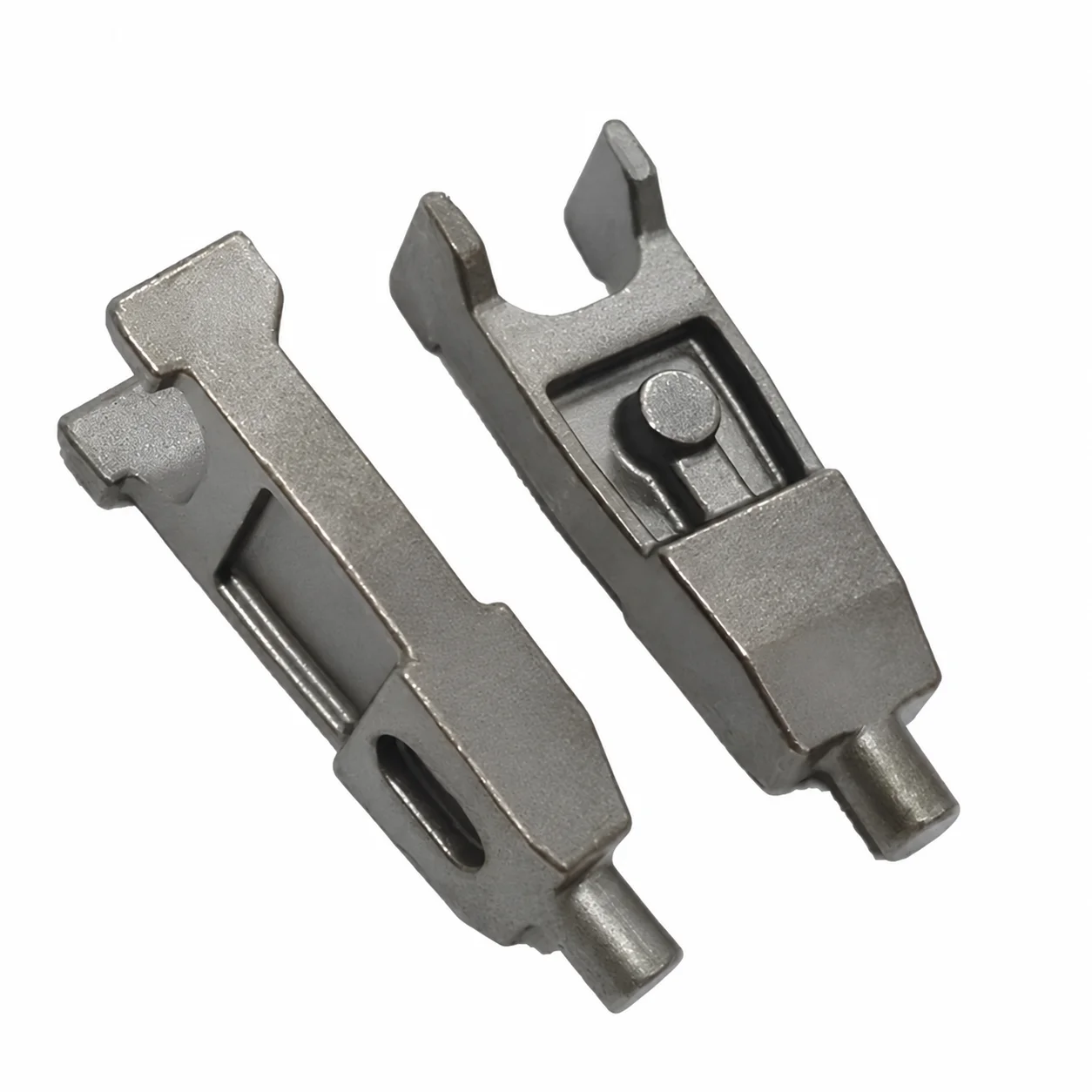
OEM precision investment casting and machining support custom steel components, with brass, bronze and titanium as other material choices. Silica sol, water glass and plaster are process directions to select for the actual component and its manufacturing requirement.
Steel, brass, bronze or titanium selection
The material requirement should name the exact alloy for the part. Connect the chosen steel, brass, bronze or titanium direction to the component geometry and the work it must perform. This gives the process discussion a specific material and design, rather than assuming that every material uses the same casting and machining combination.
Define the resistance and machined dimensions
State the particular resistance requirement for the intended component and the acceptance criteria that will be used to assess it. Identify the dimensions and surfaces needing machining alongside that requirement. A clear description of the required condition helps keep the precision casting discussion tied to the part's actual purpose without assigning an unspecified performance rating.
Six drawing formats for the component enquiry
Supported 2D inputs are PDF, DWG and DXF, with STEP, STP and IGS for 3D files. Use the design inputs to communicate the alloy, geometry, critical dimensions and desired surface condition for review. Sample arrangements can be discussed for the component while the selected casting process, machining work and finished-part acceptance requirements are being agreed.