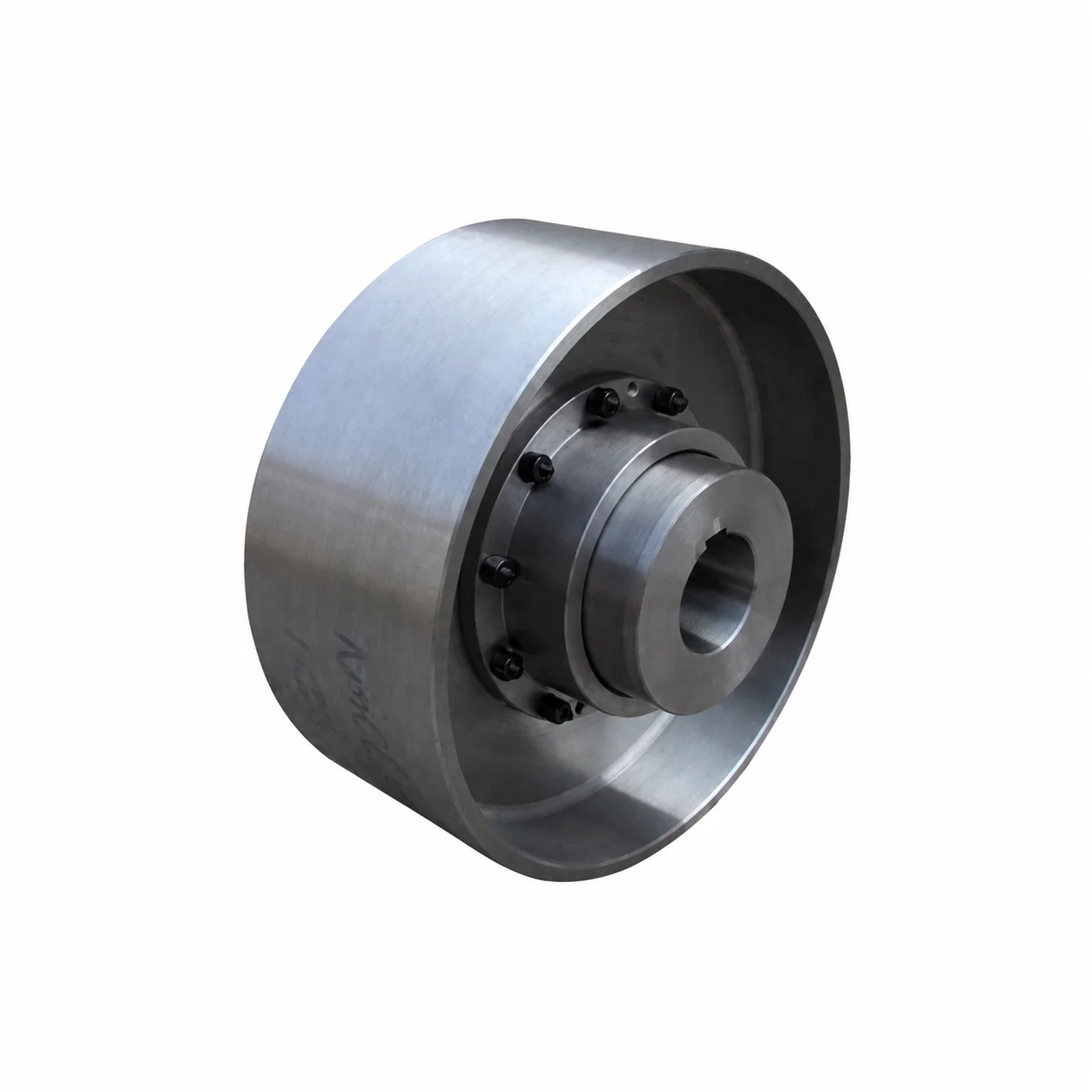
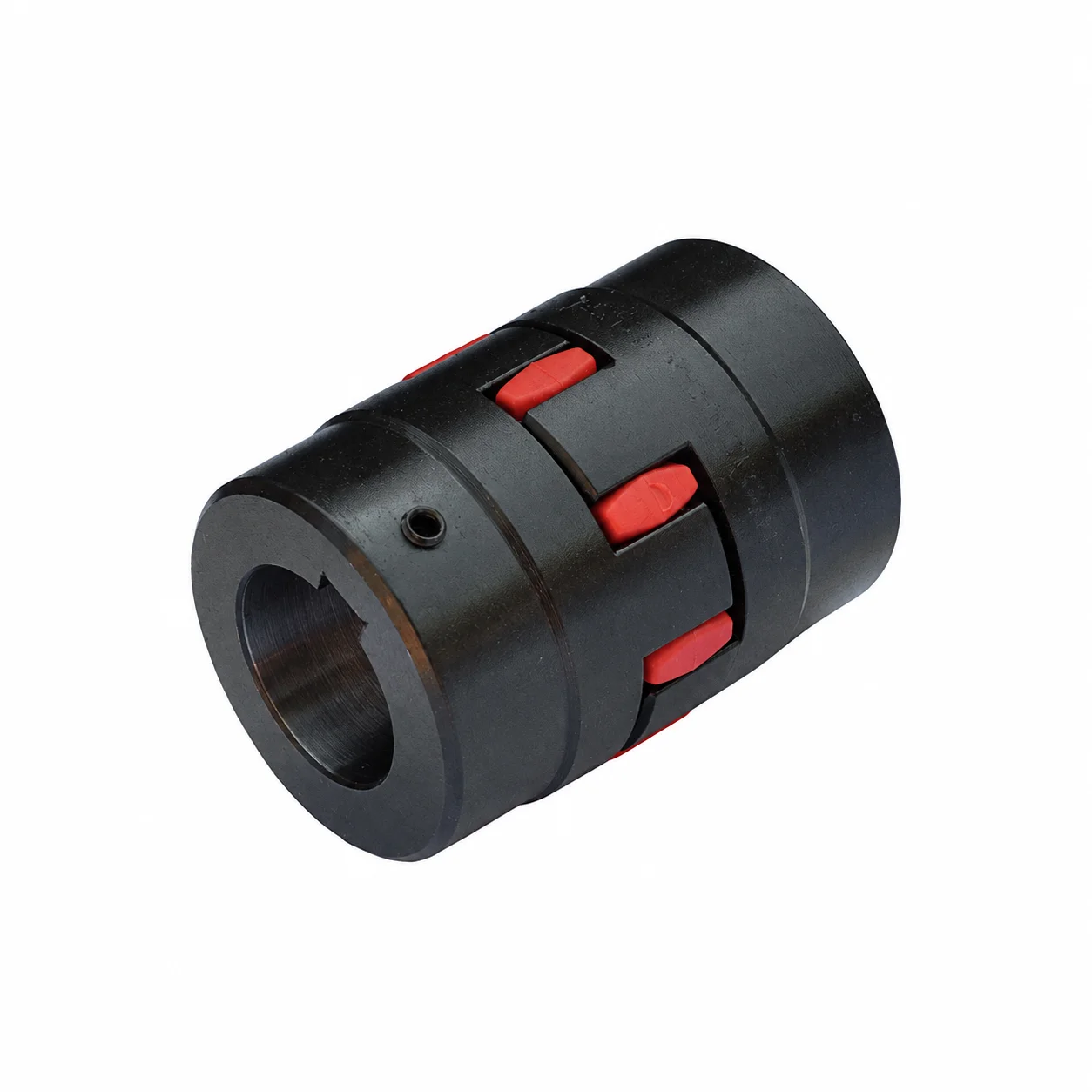
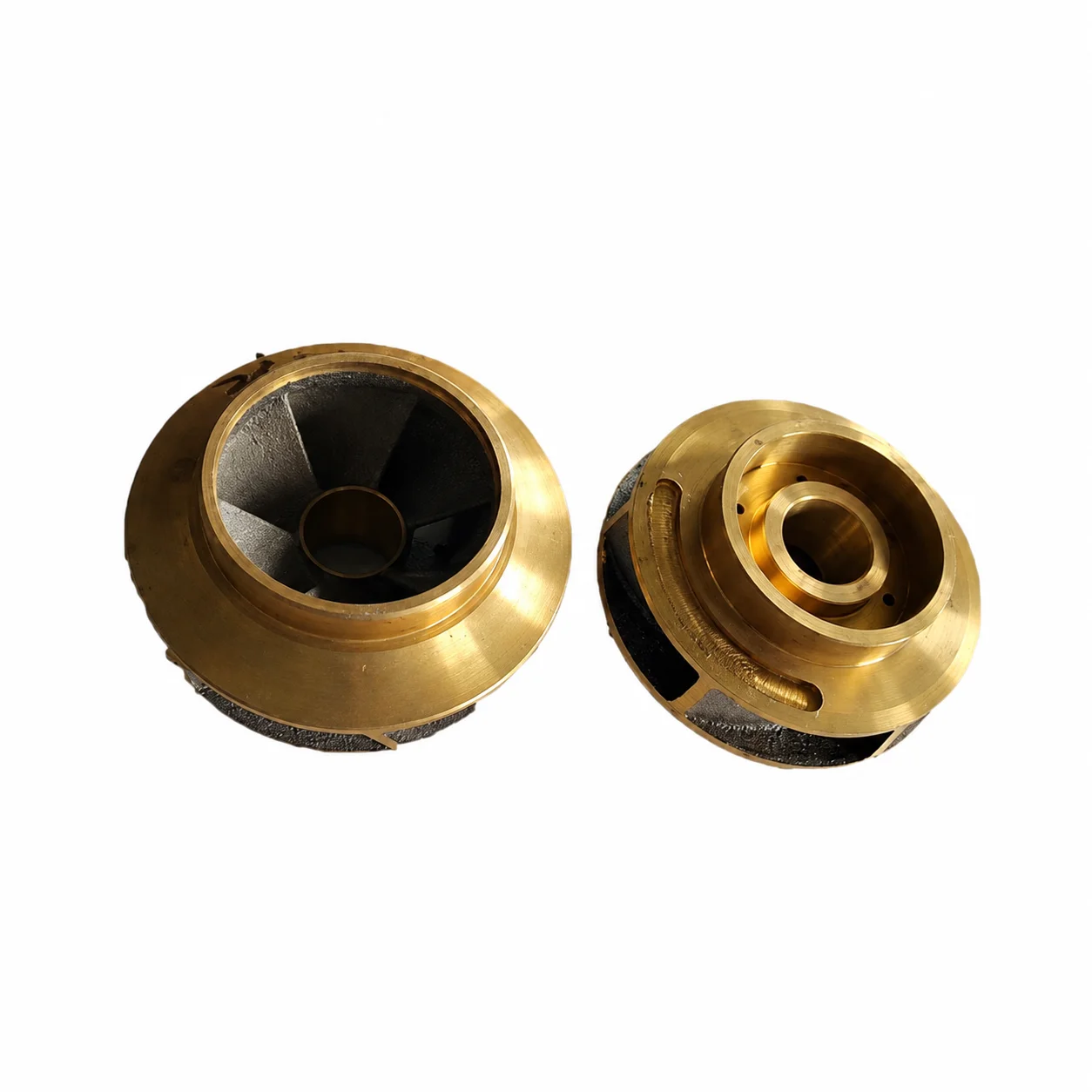
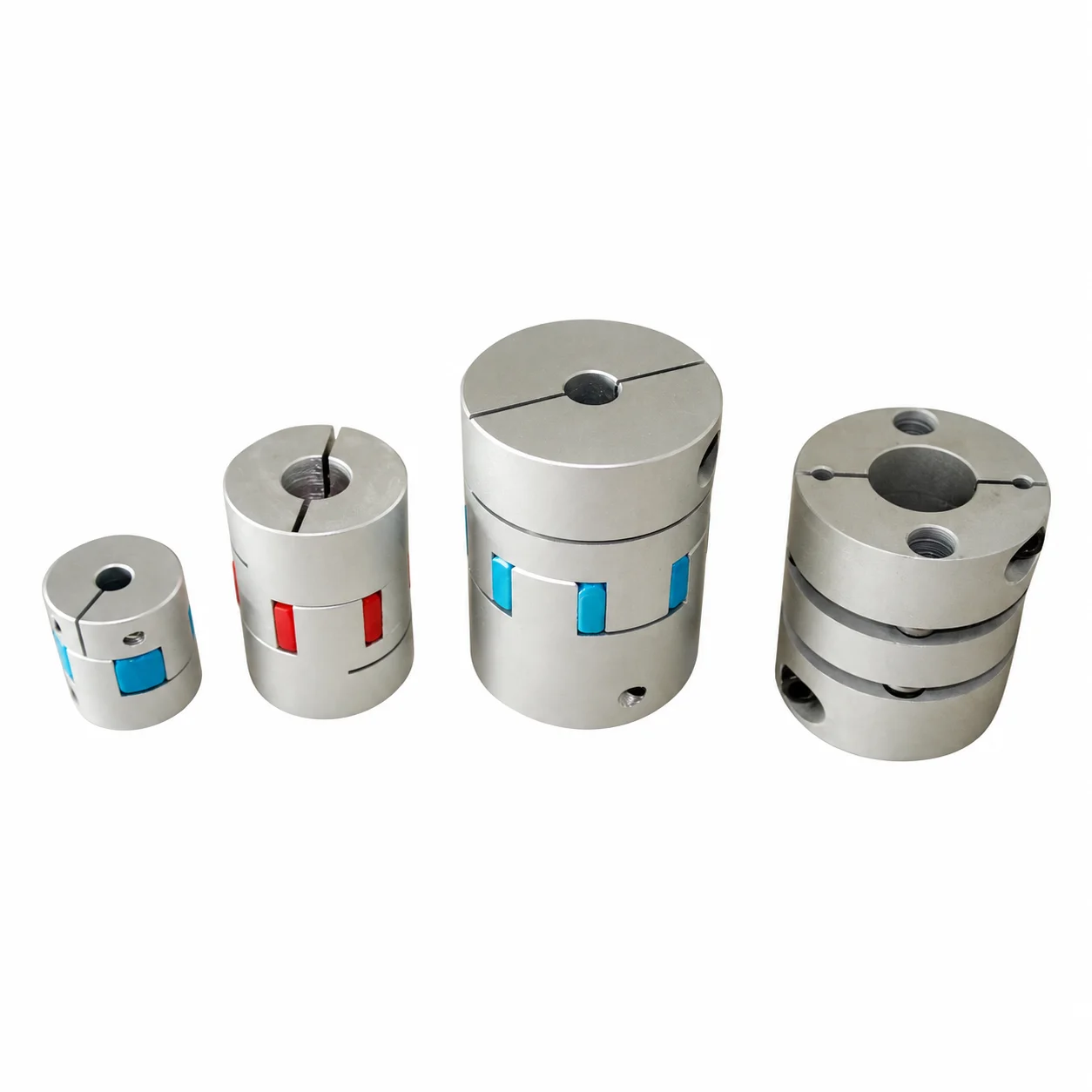
Custom OEM Precision Nonferrous Casting and CNC Machining for Brass, Bronze, Copper and Aluminum Part Requests
Let’s define your requirement
Send a product link, drawing or short brief. We’ll work through the details with you.
- Confirm the specificationGrade or model, size and intended use.
- Define your orderQuantity, finish or configuration, and samples.
- Agree the quotation scopeIncluded work, key checks and delivery needs.
-
Partsdie casting aluminum parts
-
Materailsinternational parts as requiredSizeCustomer's Requst
-
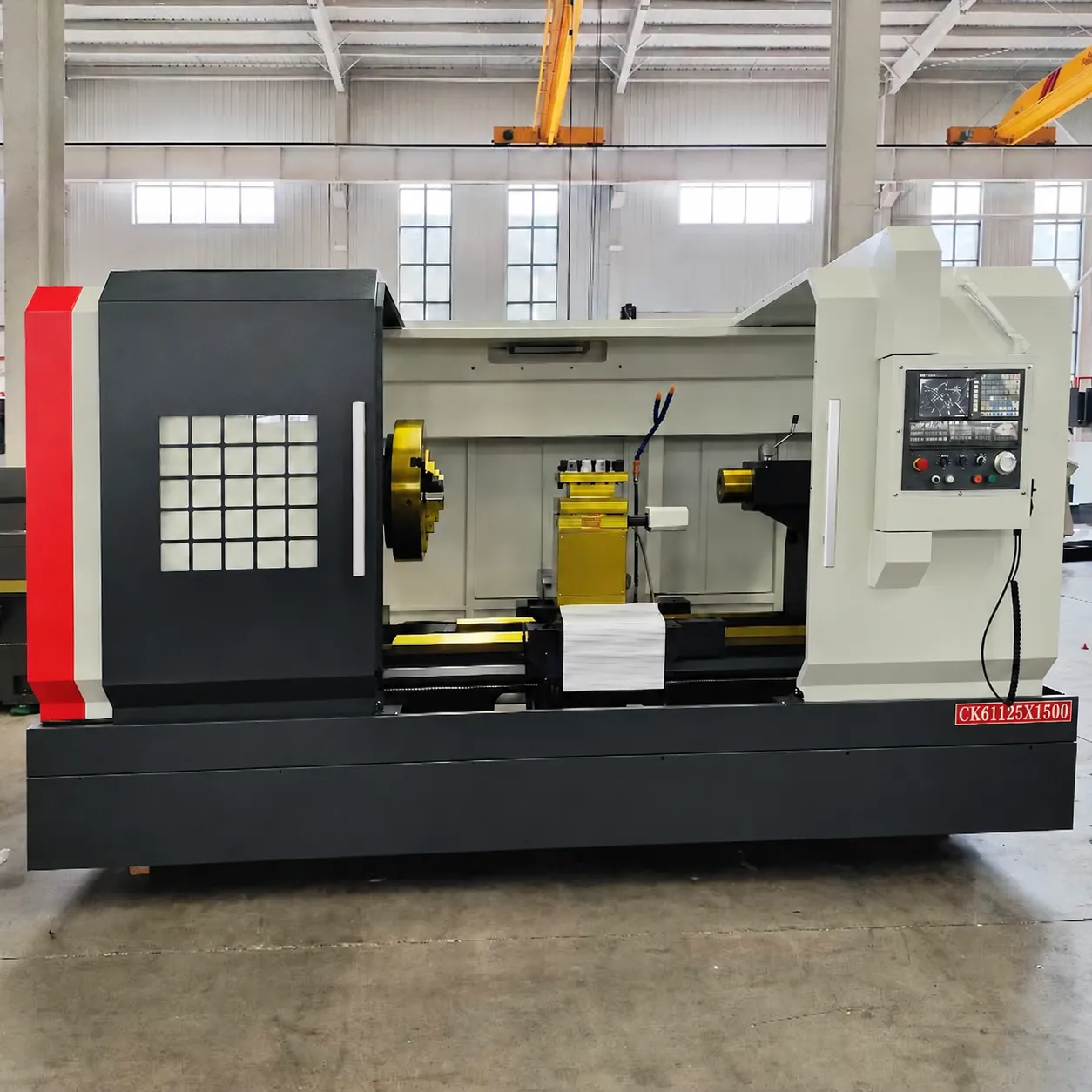
MachiningCNC machining center,boring,milling,grinding,etcCastingForging, Extrusion forming, gravity casting,etc
-
TestingCMM testing and 100% by engineersCertificationISO9001:2008 certification
-
ServiceOEM/ODM service
-
Delivery timeWithin 35 days
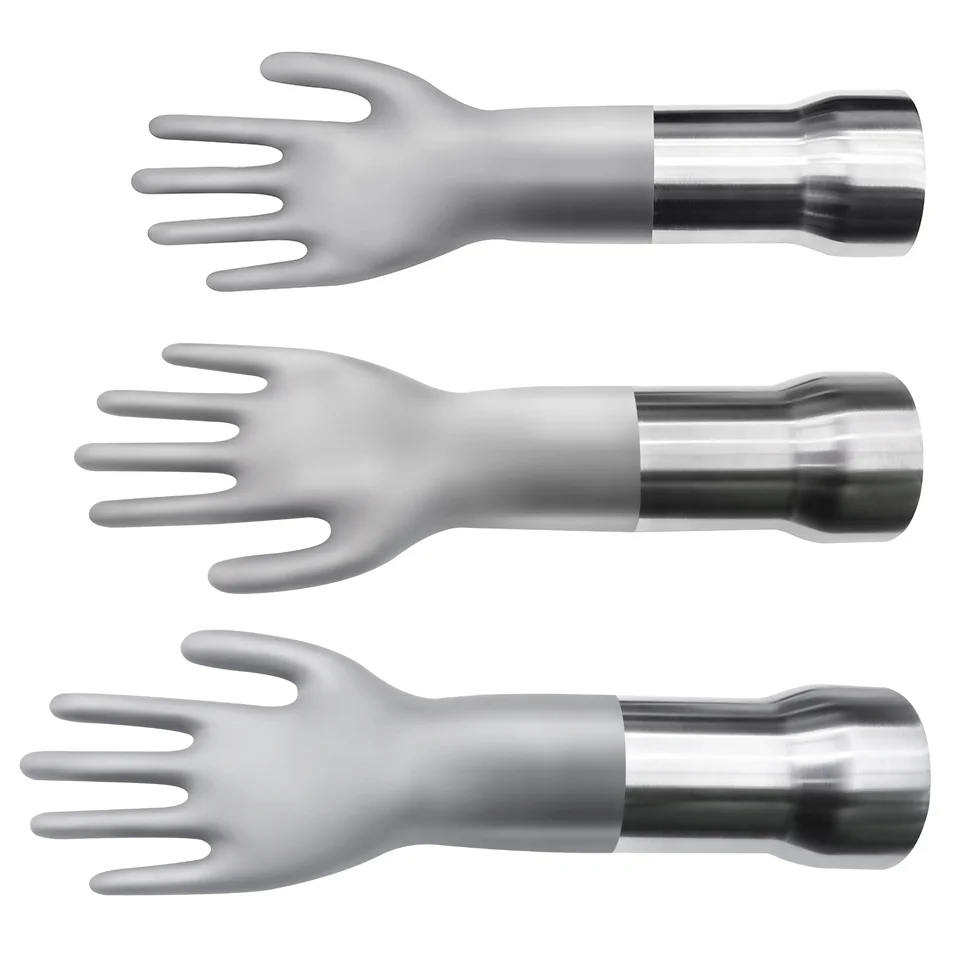
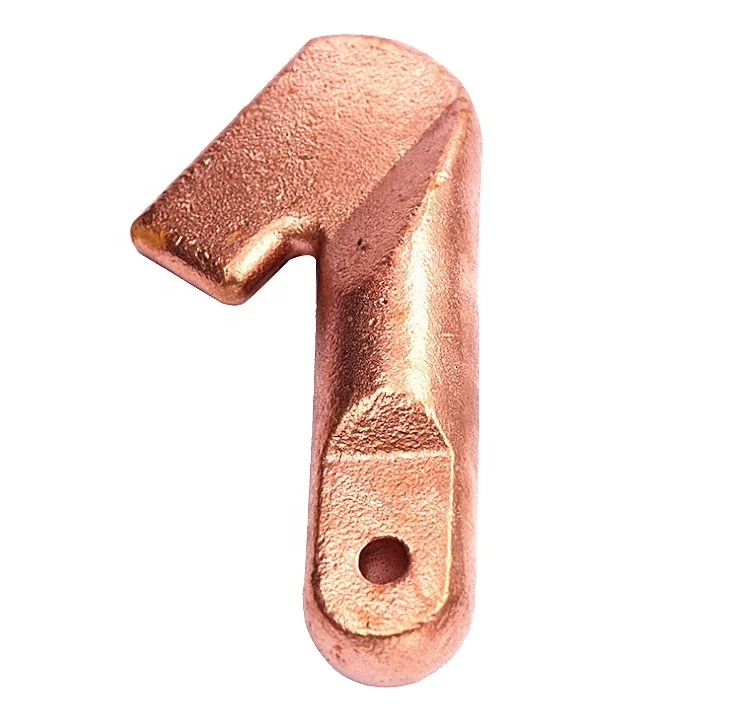
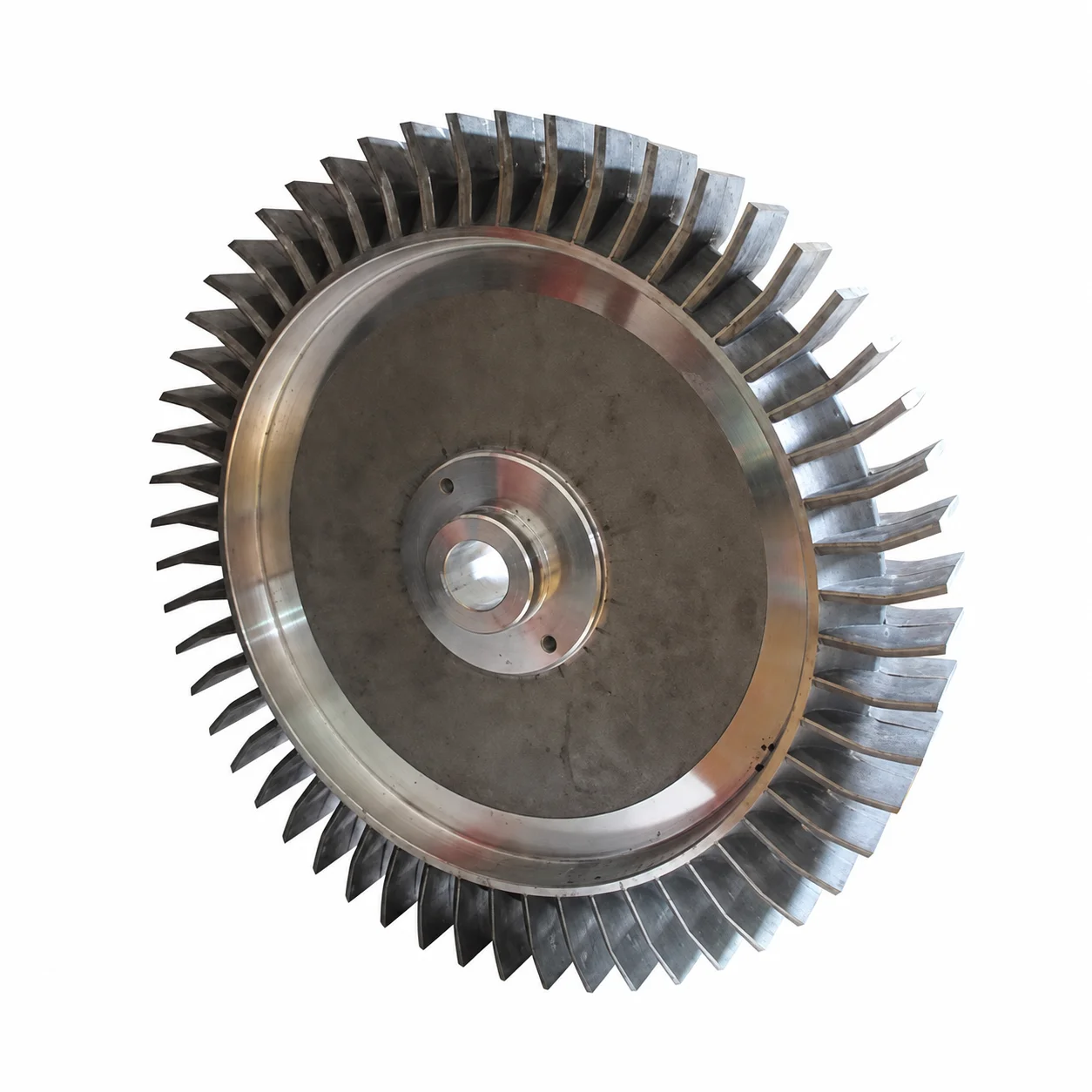
Define a nonferrous component by connecting the requested alloy with its finished geometry. The OEM/ODM service supports custom-sized part enquiries, with CNC machining-center work, boring, milling, grinding and CMM testing as practical topics for the manufacturing discussion.
Choose the alloy and the forming route together
Brass, bronze, copper and aluminum are material directions for the custom component enquiry. Identify the actual alloy specification and the form you need before settling the route. Gravity casting, forging and extrusion are distinct manufacturing directions, while lost-wax, investment or sand-casting requests should be confirmed for the selected material and geometry.
A defined material and process keeps the component request specific. It also allows the cast or formed shape to be considered alongside the finished interfaces, without assuming that every named metal follows the same sequence of operations.
Allocate CNC work to the finished geometry
CNC machining-center work, boring, milling and grinding can be discussed around the component's actual surfaces and interfaces. Identify which dimensions belong to the initial form and which areas require further machining. This gives each requested operation a role in the finished part definition and helps keep geometry, material and dimensional acceptance connected throughout the enquiry.
Make the CMM checks relevant to the component
Testing includes CMM checks and 100% inspection by engineers. Agree the dimensions, interfaces and acceptance criteria that those checks need to address for the requested part. An inspection discussion built around the actual geometry gives the custom project a clearer basis than a general statement of precision alone.
- State the alloy specification and intended component form.
- Identify the interfaces requiring boring, milling or grinding.
- Define the dimensional checks for the finished part.