Custom OEM ODM Foundry HT200 HT250 Iron Sand Casting Services
Let’s define your requirement
Send a product link, drawing or short brief. We’ll work through the details with you.
- Confirm the specificationGrade or model, size and intended use.
- Define your orderQuantity, finish or configuration, and samples.
- Agree the quotation scopeIncluded work, key checks and delivery needs.
-
Sizecustomized
-
Surface TreatmentcustomizedMaterialsIron,steel, etc
-
Product nameCustom Casting PartsMaterialIron,steel, aluminum, etc
-
ProcessCasting +Machining(if Need)+surface TreatmentApplicationIndustry
-
SpecificationAs per drawingsDrawing Format2D/(PDF/CAD)3D(IGES/STEP)
-
PackingCarton Wooden BoxCertificationISO9001/TS16949/RoHS
-
Surface treatmentCustomers' DemandServiceOEM ODM Customised
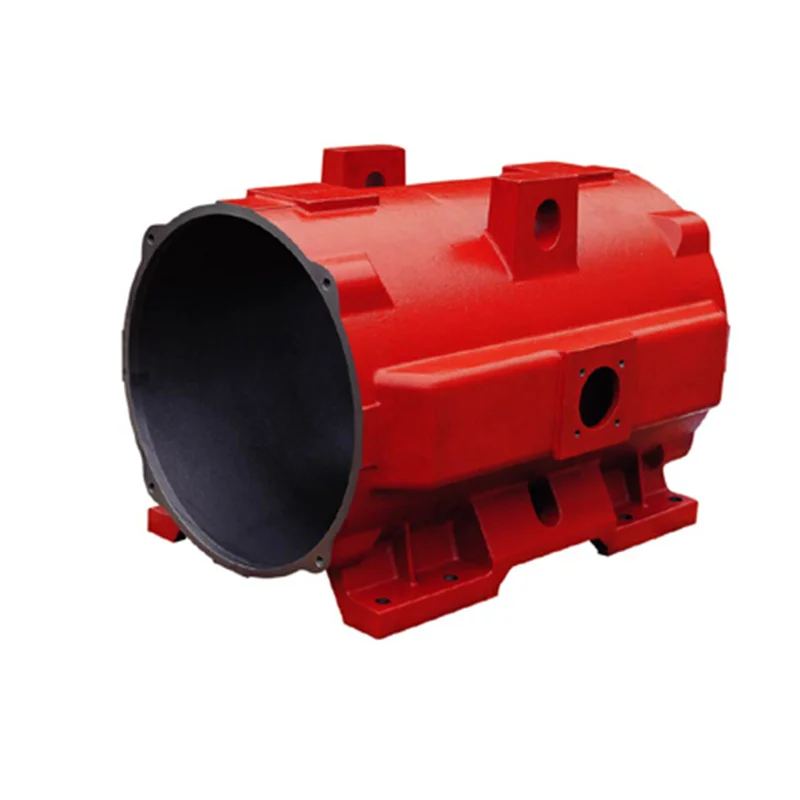
Custom foundry sand casting supports HT200 and HT250 iron part enquiries through OEM and ODM service. Component size and surface treatment are customized, with the specification defined by the drawing. Steel and aluminum projects can be discussed separately with their own material and manufacturing requirements.
Keep the iron designation tied to the drawing
Specify HT200 or HT250 when that is the required iron designation for the component. Include the applicable material requirement and the dimensions governing its use. A steel or aluminum enquiry should identify its own grade and route rather than inherit the iron designation or an assumed material equivalence.
Define casting and optional machining separately
The manufacturing scope includes casting, machining when needed and surface treatment. Mark any dimensions requiring machining and identify the acceptance requirements at that stage. The industrial component's role and working duty should accompany the drawing so the custom geometry can be evaluated for the actual assembly.
State the surface condition required by the customer
Surface treatment follows the customer's requirements. Identify the surfaces involved and agree the selected process and appearance or functional acceptance criteria. Match those requirements to the material and any machined dimensions so the enquiry describes the intended finished part.
Use consistent files and quality requirements
Drawing inputs include 2D PDF/CAD and 3D IGES/STEP formats. Certification and compliance scope includes ISO9001, TS16949 and RoHS, with the applicable records to be agreed for the component. Provide a common drawing revision, numerical tolerances and required inspection extent so the casting and optional operations share one acceptance basis.