Brass/Copper/Zinc/Steel/Aluminum/Iron Casting: Lost-Wax Investment, Sand, Vacuum and Die Service
Let’s define your requirement
Send a product link, drawing or short brief. We’ll work through the details with you.
- Confirm the specificationGrade or model, size and intended use.
- Define your orderQuantity, finish or configuration, and samples.
- Agree the quotation scopeIncluded work, key checks and delivery needs.
-
Surface FinishSandblasted , Polished
-
Drawing Format2D/(PDF/CAD/DWG/DXF)3D(IGES/STEP/VDA)
-
CertificationGB/T19001-2016/ISO9001:2015standardSizeCustomized Size
-
Surface finishAnodized Powder Coating Polishing.sandblastingProduct nameinvestment casting
-
Materialgrey iron, ductile iron, steel, stainless steel, aluminum, copperApplicationIndustry, automotive, agriculture, aviation, construction, electrical
-
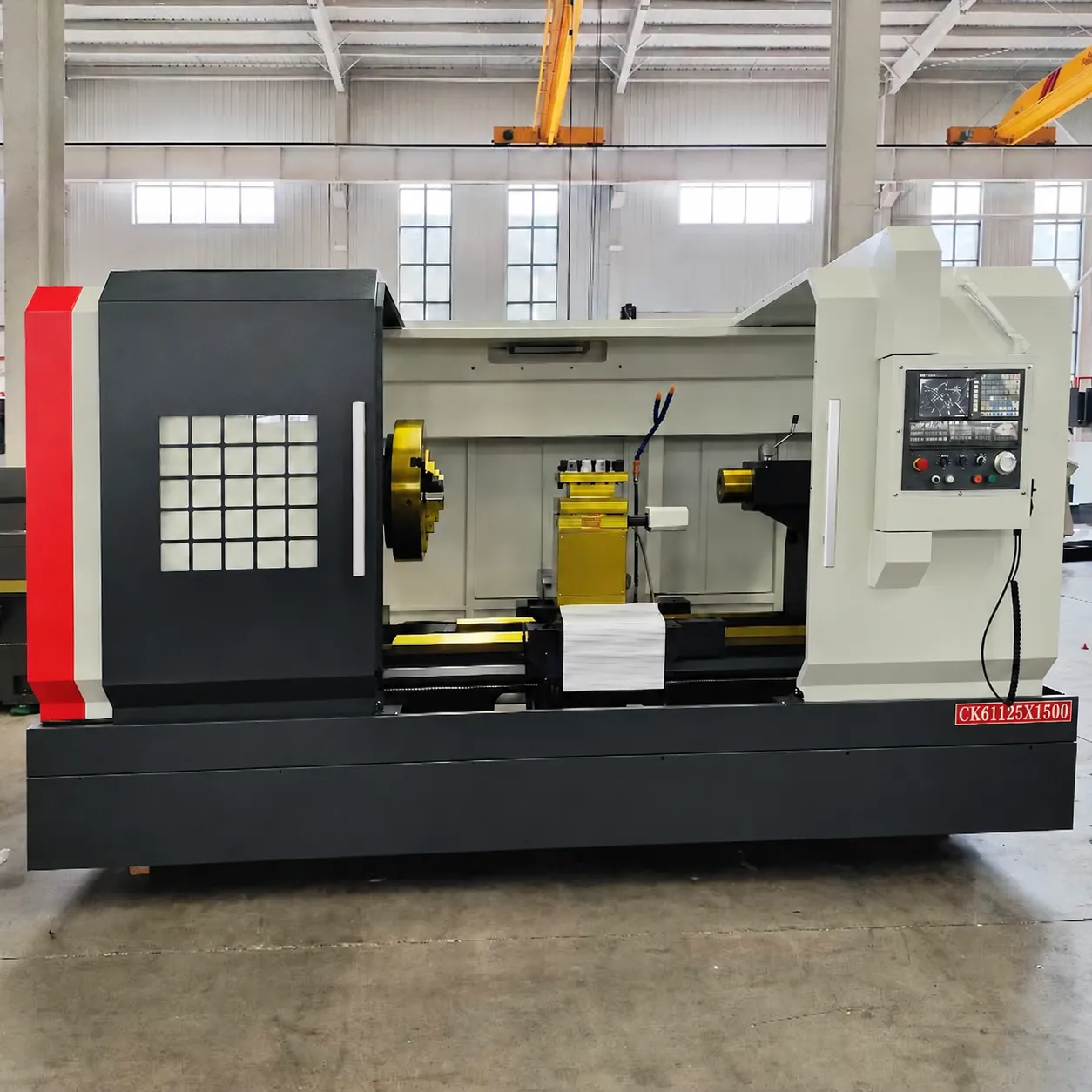
ProcessCasting, CNC, turning, milling, 5 AxisToleranceCustomer's Drawing Request
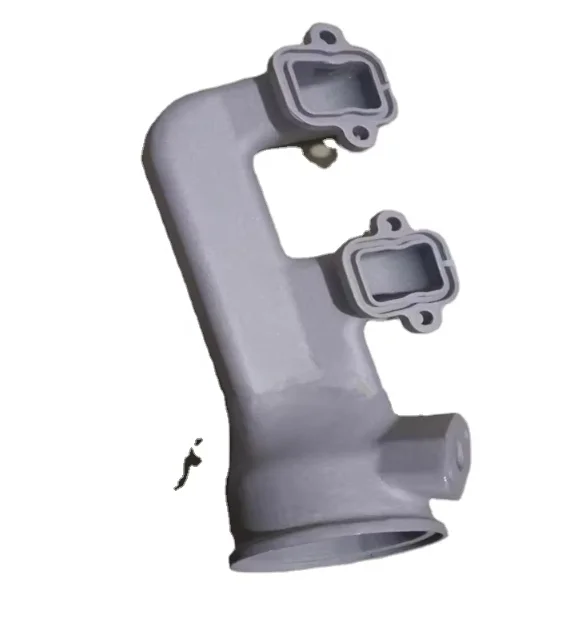
Custom metal casting enquiries span brass, copper, zinc, steel, aluminum and iron, with CNC turning, milling and 5-axis processing available. Lost-wax investment, sand, vacuum and die casting are route choices for the actual alloy and component geometry. Size and tolerance requirements are defined through the customer's drawing.
Match the metal family to one manufacturing route
Material choices also include stainless steel, grey iron and ductile iron. Select the actual grade and review the casting route against the part's shape and intended function. Keep the chosen material and process together in the enquiry so a broad range of metal and route options does not become an assumed pairing for every component.
Carry the drawing into CNC and surface acceptance
Define the cast dimensions and the areas requiring CNC turning, milling or 5-axis work. Geometry can be supplied in PDF, CAD, DWG or DXF drawings and IGES, STEP or VDA models. Use those files to identify the finished tolerances and measurement references needed for the selected part.
Choose anodizing, powder coating, polishing or sandblasting according to the actual alloy and surface requirement. Mark the areas receiving treatment and agree their appearance or functional acceptance. Check the finished dimensions and selected surface process together as part of the component definition.
State the application and quality-document scope
For industrial, automotive, agricultural, aviation, construction or electrical enquiries, identify the specific component duty and required acceptance. Quality-system certification references are GB/T19001-2016 and ISO9001:2015. Define any particular sector or component approvals separately, with the selected grade, casting route, CNC requirements and finish tied to the controlled drawing.