
OEM Precision Stainless/Metal Investment-Casting Mold Inquiry | CT4–CT6, CNC and Surface-Treatment Selection
Let’s define your requirement
Send a product link, drawing or short brief. We’ll work through the details with you.
- Confirm the specificationGrade or model, size and intended use.
- Define your orderQuantity, finish or configuration, and samples.
- Agree the quotation scopeIncluded work, key checks and delivery needs.
-
Technologyinvestment casting
-
Mainly metalstainless steel,carbon steel,brass, copper, bronzeCasting toleranceCT4-CT6
-
RoughnessRa 3.2-Ra12.5 (GB/T 6060.1)CertificateISO
-
MachiningCNC machining, milling, drilling, tappingHeat treatmentquenchining, tempering, annealing, normalizing
-
Surace Treatmentelectropolishing, mirror polishing, electrogalvanizingStandardANSI, ASTM, AISI, GB, DIN, JIS
-
Lead Time15-35 Days
OEM precision investment-casting and mold-work inquiries cover stainless steel, carbon steel, brass, copper and bronze. CT4–CT6 is the casting-tolerance reference, with Ra3.2–Ra12.5 roughness referenced to GB/T 6060.1. Agree the actual supplied casting/mold scope and the roughness unit and measurement requirements for the selected component.
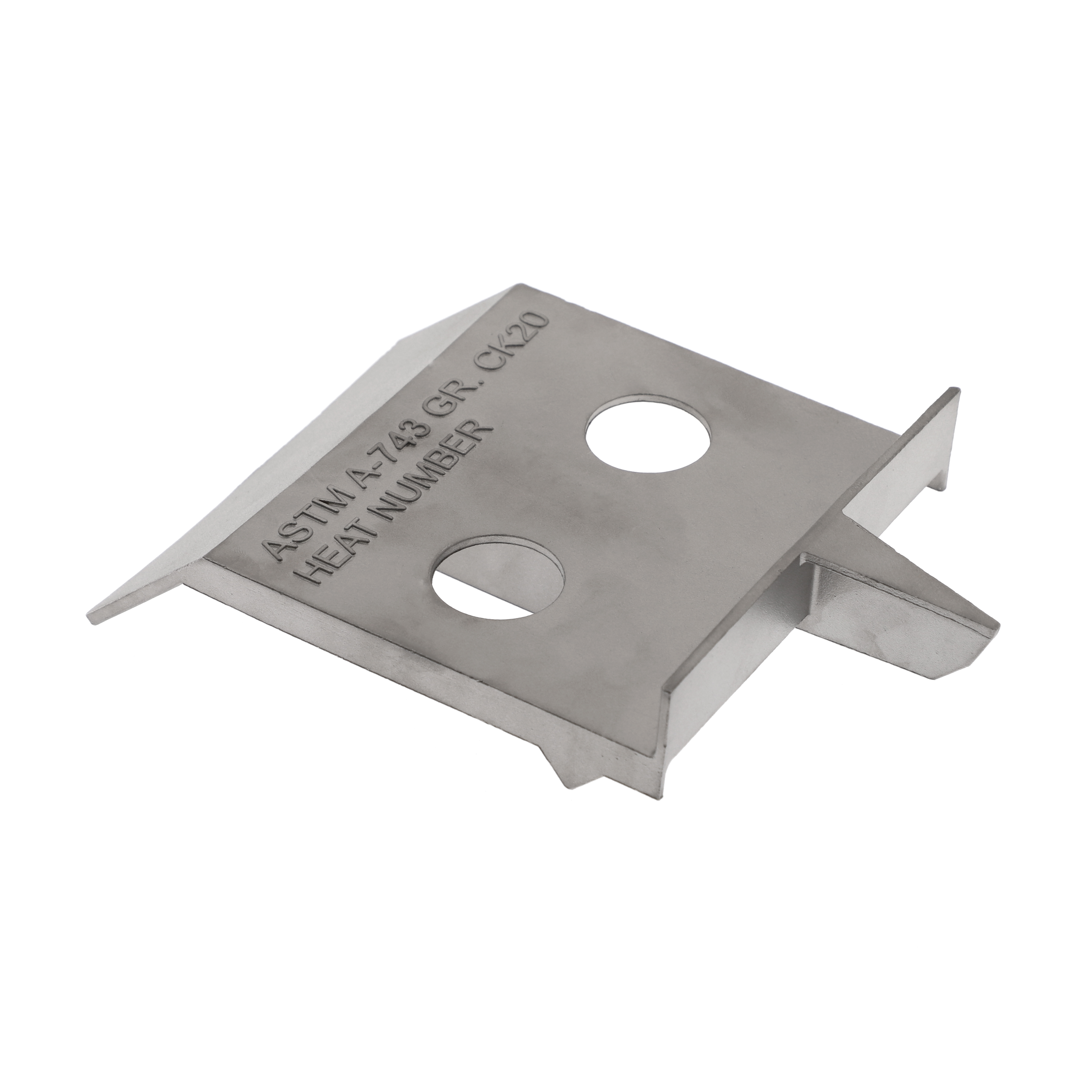
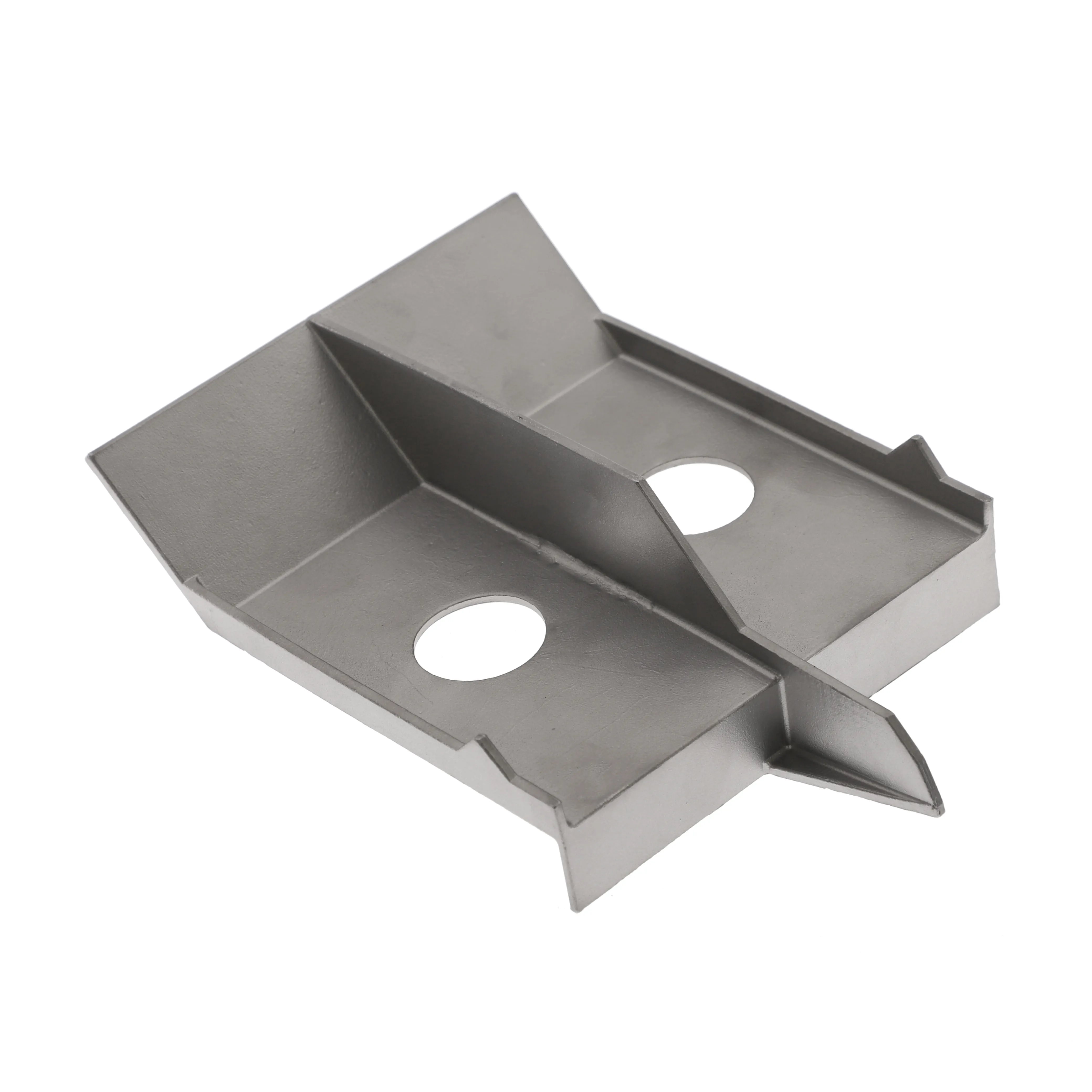
Metal selection and the supplied component
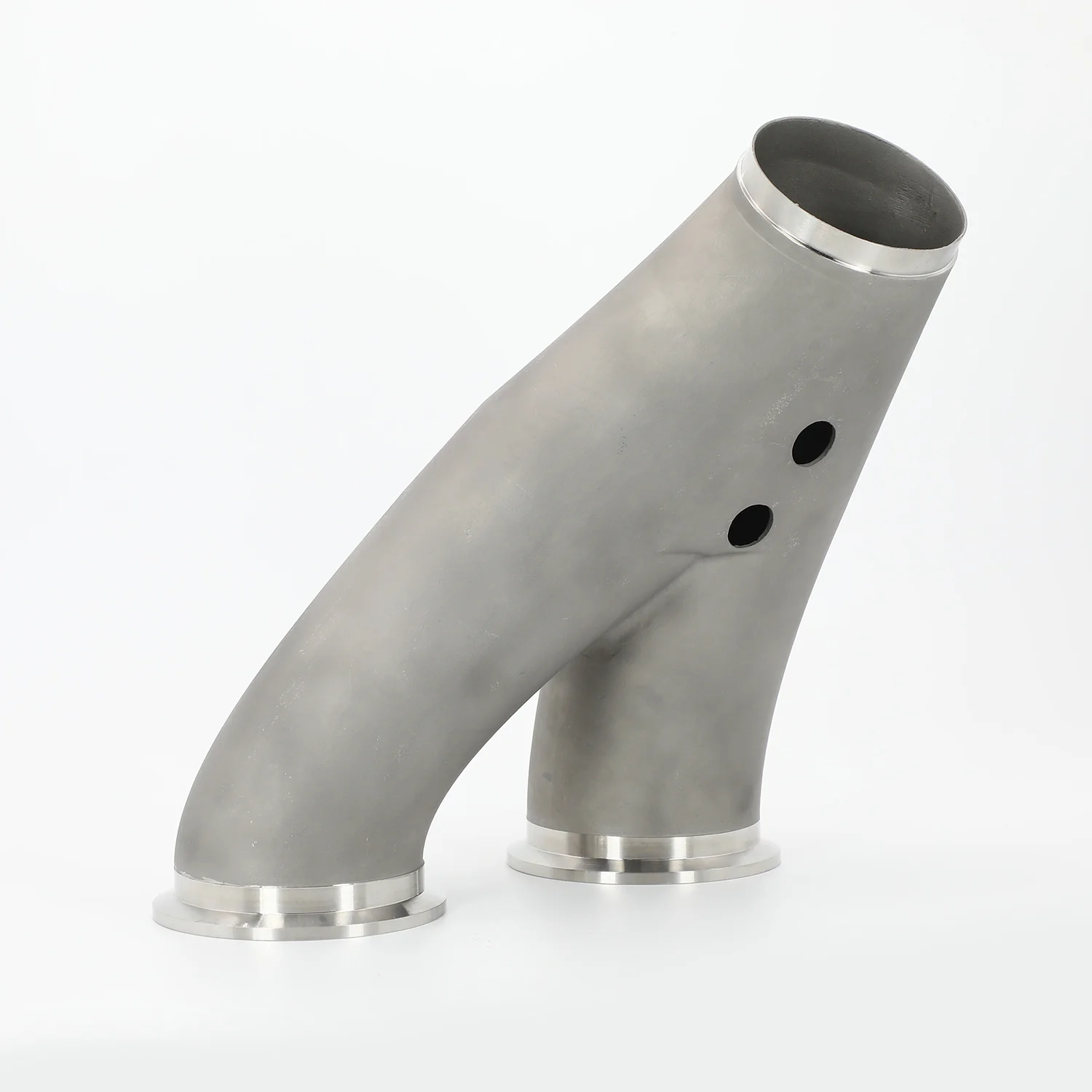
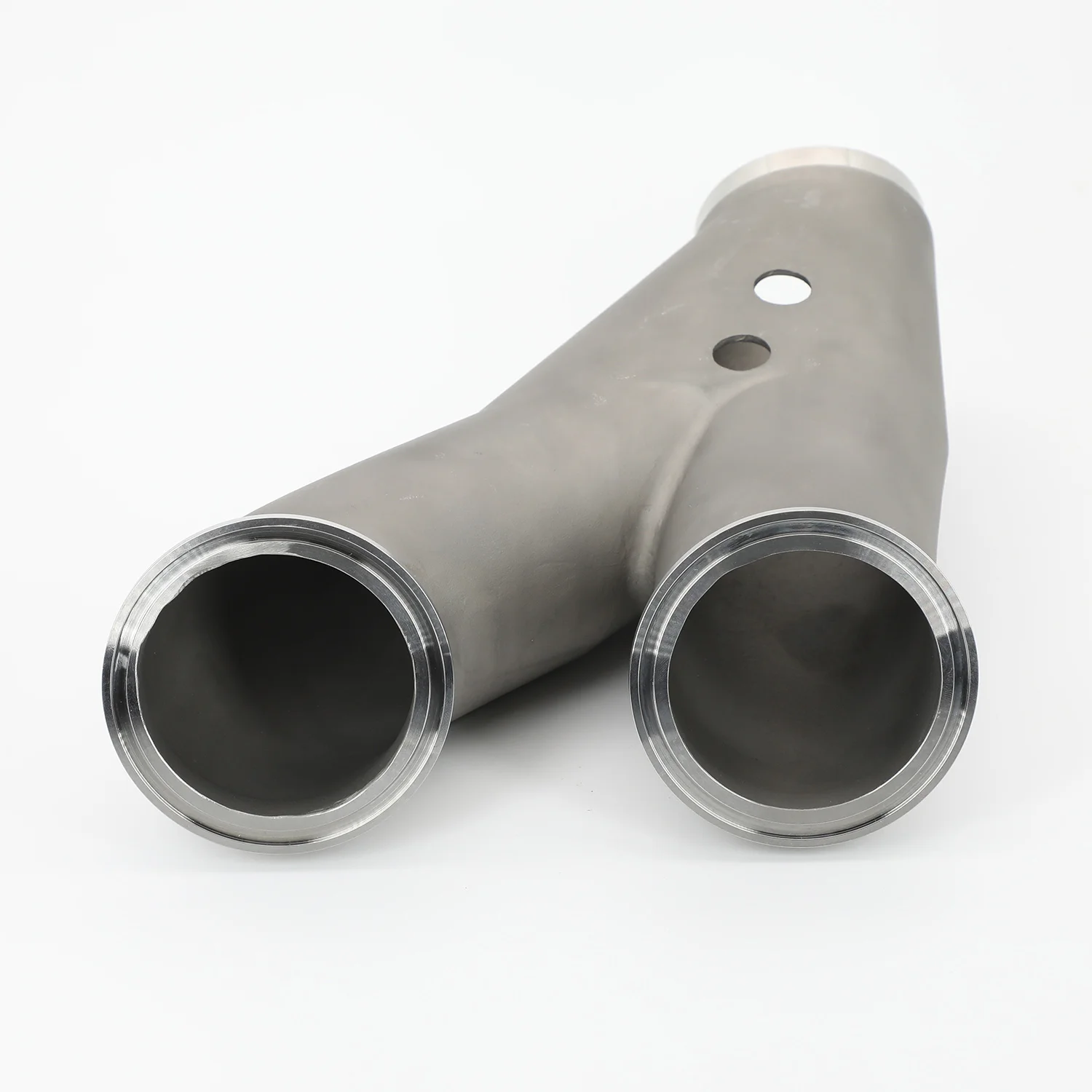
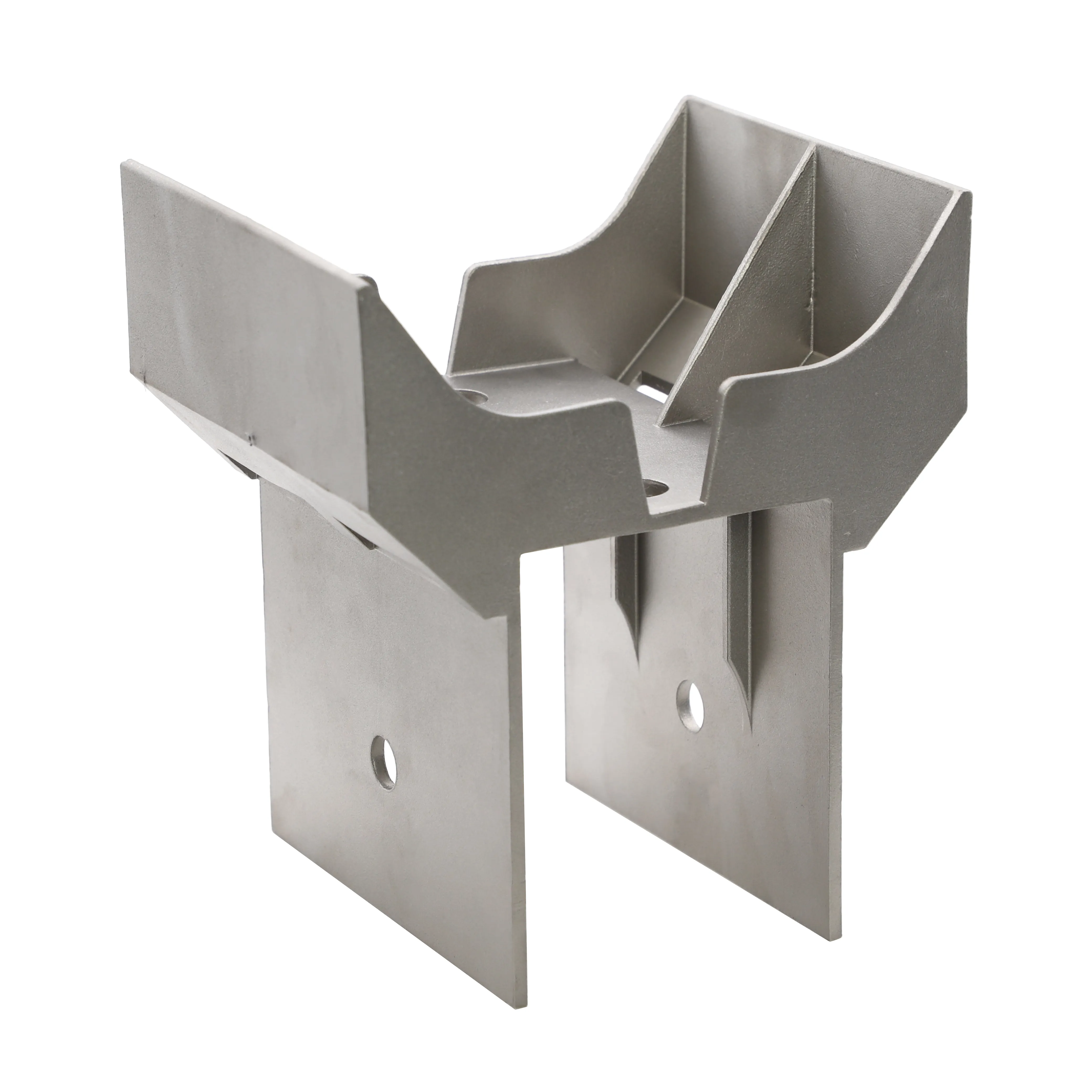
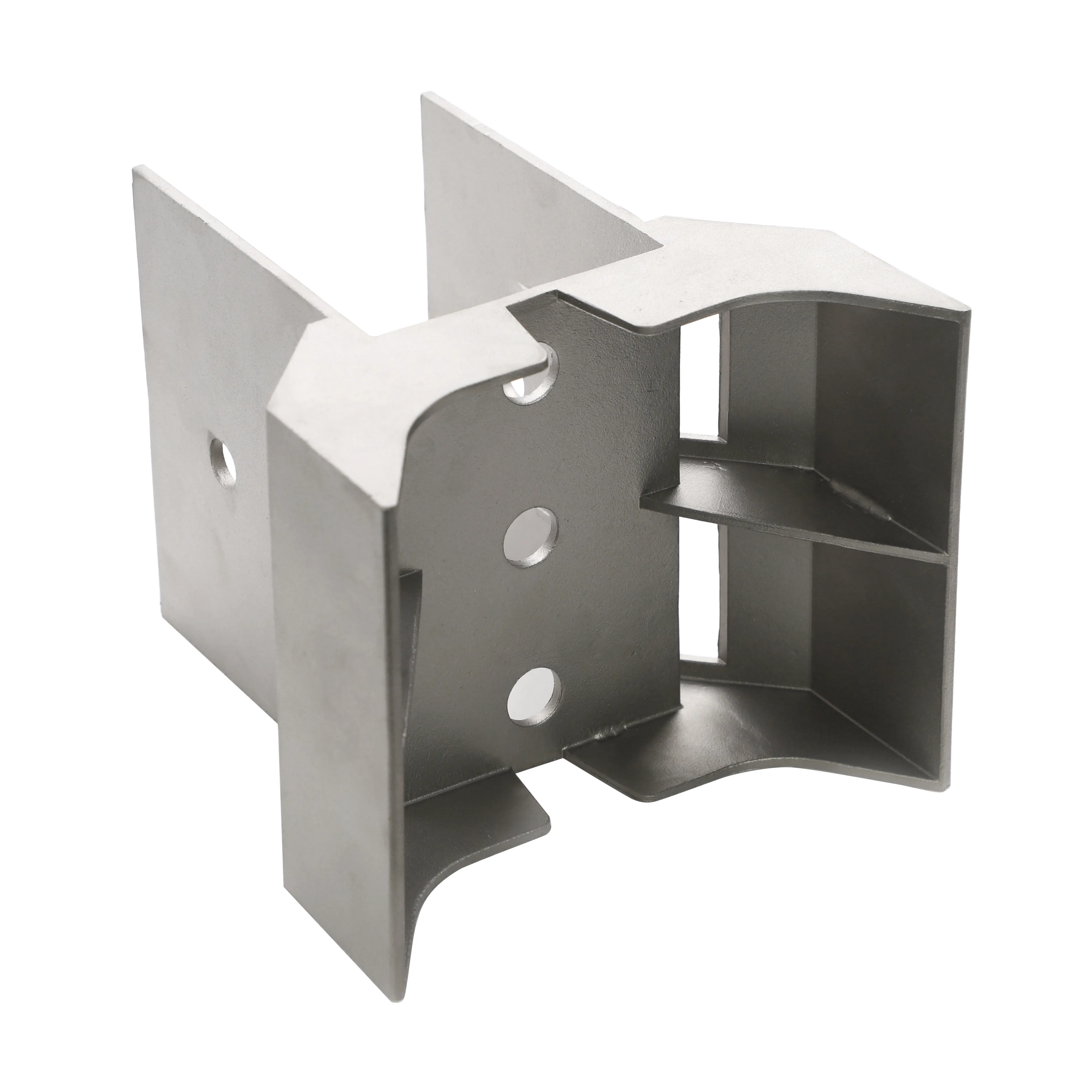
Define the actual material designation and the geometry required for the casting or mold-work task. Identify the component function and its important interfaces. Connect the chosen material and deliverable to the finished condition needed for that actual use, establishing a specific manufacturing scope for the OEM inquiry.
CT4–CT6, Ra and controlled surfaces
Identify the cast dimensions governed by the tolerance reference. Assign the Ra3.2–Ra12.5 reference and GB/T 6060.1 requirements to the actual surfaces, with their unit and inspection basis to agree. Relate those dimensional and roughness criteria to the selected geometry and the finished interfaces needed for its function.
Machining and material-appropriate heat treatment
Machining choices include CNC machining, milling, drilling and tapping. Heat-treatment directions are quenching, tempering, annealing and normalizing. Select which operations and treatments apply to the actual metal and component, defining their areas and required condition. The chosen sequence should address the part geometry and its dimensional/material acceptance.
Electropolishing, mirror polishing and electrogalvanizing
These are the surface-treatment directions to select for the actual material and required finish. Identify the treated areas and agree their visual, dimensional and surface acceptance. Standard families include ANSI, ASTM, AISI, GB, DIN and JIS. Define the applicable material and inspection requirements within that reference scope, connecting surface work and machining to the component's intended duty.








